The HVAC (Heating, Ventilation, and Air Conditioning) industry is a critical part of the U.S. economy, providing essential climate control solutions for homes, businesses, and industrial facilities. For aspiring entrepreneurs or investors, understanding the HVAC business model is key to recognizing how companies generate revenue, manage operations, and grow in a competitive market.
In this article, we’ll break down the HVAC business model, revenue streams, operational strategies, and trends that make this industry both profitable and sustainable in the United States.
What Is the HVAC Business Model?
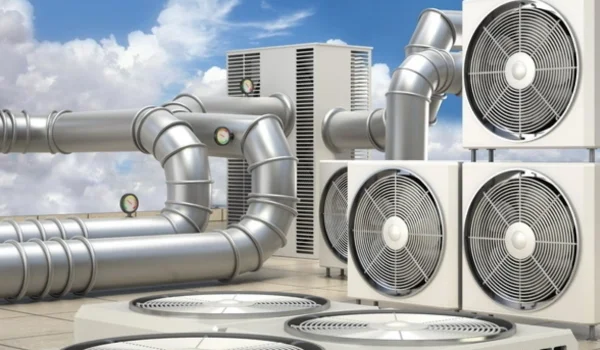
An HVAC business model refers to how companies in the heating, ventilation, and air conditioning sector create, deliver, and capture value. At its core, the business combines technical expertise with customer service to meet a basic human need: comfortable, safe, and efficient indoor environments.
Key components include:
- Service Offerings: Installation, maintenance, and repair of HVAC systems
- Product Sales: Equipment such as air conditioners, heaters, furnaces, thermostats, and air purifiers
- Revenue Streams: Service contracts, emergency repairs, and seasonal promotions
- Operational Management: Skilled technicians, supply chain logistics, and scheduling
- Marketing and Customer Engagement: Branding, referrals, and online visibility
How HVAC Companies Make Money
HVAC companies generate revenue through multiple channels. This diversified approach helps businesses remain profitable year-round, despite seasonal fluctuations.
- Installation Services
The primary revenue driver for most HVAC businesses is system installation. This includes:
- Residential HVAC systems for homes
- Commercial systems for offices, factories, and retail spaces
- Specialized industrial HVAC solutions
Installation projects often range from $3,000 to $12,000 for residential systems and significantly more for large commercial setups. Businesses make money through:
- Labor charges for skilled technicians
- Markup on equipment and parts
- Add-ons such as smart thermostats, air purifiers, or ductwork
Installation projects are high-margin opportunities because the combination of labor, equipment, and expertise allows companies to earn substantial profits.
- Maintenance and Service Contracts
Ongoing maintenance is a critical revenue source for HVAC companies. Many businesses offer annual or semi-annual service contracts, which provide predictable income and help prevent costly system failures for customers.
Service contracts typically include:
- Routine inspections and cleaning
- System tune-ups for efficiency and safety
- Priority scheduling for repairs
For homeowners, a maintenance contract costs anywhere from $150 to $500 per year, while commercial contracts can be several thousand dollars annually. This recurring revenue is highly profitable because it reduces downtime and ensures consistent cash flow.
- Repair Services
Emergency or routine repair services are another revenue stream. HVAC systems can fail unexpectedly, creating opportunities for higher-margin emergency repairs. Common repair services include:
- Fixing broken compressors, motors, or fan units
- Refrigerant recharging
- Thermostat and control system repairs
- Ductwork and ventilation issues
Repairs allow companies to charge premium rates for urgent services, often generating 30–50% margins depending on parts and labor costs.
- Equipment Sales and Upgrades
HVAC businesses often sell equipment directly to customers. This includes:
- Air conditioners, heat pumps, and furnaces
- Smart thermostats and energy-efficient systems
- Air purifiers and humidifiers
Markups on equipment typically range from 10–25%, and when combined with installation, they contribute significantly to overall revenue. Many companies also offer financing or leasing options to make high-ticket systems more accessible, further increasing sales volume.
- Energy Efficiency and Consulting Services
With increasing demand for green and energy-efficient solutions, many HVAC companies now provide consulting services to:
- Optimize building energy usage
- Recommend energy-efficient system upgrades
- Assist with rebates and incentives offered by utilities or government programs
These services allow businesses to charge consulting fees or project-based pricing, opening additional revenue streams while promoting sustainability.
Key Components of a Successful HVAC Business Model
Several factors determine whether an HVAC business is profitable and sustainable:
- Skilled Workforce
HVAC is a technical industry. Success depends on hiring, training, and retaining licensed and certified technicians. Proper workforce management ensures high-quality installations, repairs, and maintenance.
- Customer Service
Customer loyalty is crucial. Offering timely service, transparent pricing, and personalized solutions encourages repeat business and referrals, which are low-cost marketing channels.
- Operational Efficiency
Effective scheduling, inventory management, and route optimization help reduce operational costs. Many HVAC businesses invest in software tools to manage jobs, track service contracts, and streamline billing.
- Marketing and Brand Visibility
Online presence, Google reviews, local SEO, and community engagement are essential for acquiring new customers in a competitive market. Word-of-mouth and positive reviews can significantly increase lead generation.
- Diversification of Services
Companies that provide installation, maintenance, repair, and energy consulting are better positioned to generate revenue year-round, mitigating seasonal fluctuations in demand.
Trends Impacting the HVAC Business Model in the USA
- Smart Home Integration: Customers increasingly demand smart thermostats and IoT-enabled HVAC systems.
- Energy Efficiency: Demand for environmentally friendly and energy-saving solutions is rising.
- Subscription Models: Service contracts and maintenance plans are becoming a stable recurring revenue source.
- Commercial Expansion: Businesses are investing in large-scale HVAC upgrades for offices, warehouses, and industrial facilities.
- Digital Marketing: Online booking systems, social media, and local search optimization drive growth.
Challenges in the HVAC Industry
- Seasonal Demand: Revenue peaks in summer and winter but dips during mild weather months.
- Skilled Labor Shortage: Hiring and retaining certified technicians is increasingly challenging.
- Competition: Both small independent contractors and large national chains compete for market share.
- Equipment Costs: Fluctuating supply and price of equipment can impact margins.
Successful HVAC businesses address these challenges with diverse revenue streams, strong customer relationships, and operational efficiency.
Conclusion
The HVAC business model combines technical expertise, customer service, and strategic revenue streams to create a sustainable and profitable business. Companies generate money through installations, maintenance contracts, repairs, equipment sales, and consulting services, while strong operational practices and customer relationships ensure long-term growth.
For entrepreneurs in the USA, HVAC businesses offer a resilient, essential service with high-profit potential, especially for companies that diversify offerings, embrace energy-efficient solutions, and leverage technology to improve efficiency and customer satisfaction.
About the Author