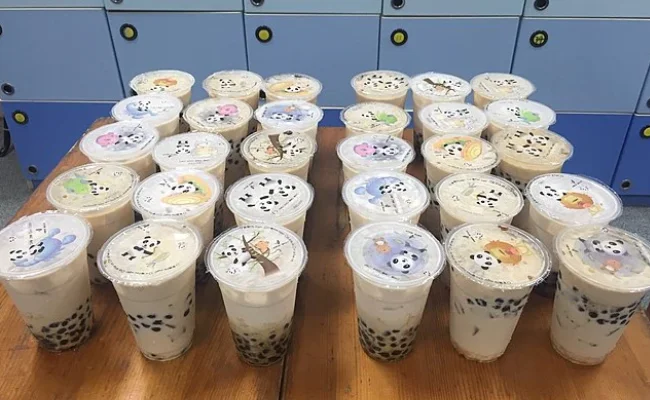
Pearl milk tea — commonly known as bubble tea or boba tea — has transformed from a niche Asian drink to a mainstream craze across the United States. For entrepreneurs, this popularity presents a promising franchise opportunity. This guide breaks down everything you need to know about starting a pearl milk tea franchise — from investment and fees to profitability, eligibility, and how to apply — in an easy-to-understand and engaging way.
☕ What Is a Pearl Milk Tea Franchise?
A pearl milk tea franchise is a business arrangement where you, the franchisee, open a milk tea store under the brand, systems, and support of an established bubble tea company. In exchange for startup fees and ongoing royalties, you gain access to:
- Recognized branding
- Proven recipes and drink formulas
- Training and operational support
- Marketing and supply chain assistance
Popular bubble tea franchises in the USA include Kung Fu Tea, Sharetea, Bubblelicious, Bubbles Tea Company, and others. Each brand may have slightly different requirements and costs, but the underlying concept is the same: bring tasty pearl milk tea to customers who love customizable drinks and fun experiences.
💰 Cost & Investment Overview
The investment to open a pearl milk tea franchise varies widely depending on the brand you choose, location, store size, and build-out requirements. While there isn’t one universal price, here’s a typical cost breakdown for bubble tea franchises in the USA:
📌 Typical Startup Costs
| Category | Estimated Range (USD) |
| Franchise Fee | $30,000 – $48,000+ |
| Store Build-Out & Renovation | $50,000 – $150,000+ |
| Equipment & POS Systems | $25,000 – $50,000+ |
| Initial Inventory | $8,000 – $15,000+ |
| Licenses & Insurance | $3,000 – $8,000+ |
| Pre-Opening Marketing | $5,000 – $15,000+ |
| Working Capital | $10,000 – $30,000+ |
| Total Estimated Investment | $150,000 – $400,000+ |
💡 Key Insight: Some brands like Pearl’s Tea specifically estimate the total investment around $100,000–$175,000 (including franchise fee, equipment, and startup costs) for their milk tea stores.
🪙 Franchise Fee Details
- Franchise fees are what you pay upfront to secure the brand rights and support system.
- Examples vary:
- Pearl’s Tea: ~$35,000 franchise fee
- Bubblelicious: ~$40,000 franchise fee
- Sharetea: ~$48,000 franchise fee
These fees grant you rights to use the brand name, equipment guidance, initial training, and access to operations systems.
📊 Ongoing Fees & Royalty Structure
Once your milk tea franchise is open, you’ll incur ongoing fees — these help fund national support, marketing, and continued business coaching.
Typical ongoing costs include:
| Fee Type | Typical Amount |
| Royalty Fee | 5% – 7% of gross sales |
| Marketing Contribution | 1% – 3% of gross sales |
These franchise fees are standard in franchising — they ensure you get scalable marketing, continuous training updates, and brand growth support.
💵 Profit & Revenue Potential
One of the biggest reasons entrepreneurs consider a pearl milk tea franchise is the strong profit margins associated with beverages.
📈 Revenue & Profit Expectations
- Average Annual Revenue for a well-located bubble tea franchise can range from $300,000 to $800,000+ depending on foot traffic and pricing.
- Profit Margins: Typically 15%–25% net once the business ramps up — thanks to relatively low ingredient costs and high per-drink markup.
- Break-Even Timeline: Many franchisees reach payback between 18–36 months if revenue and costs are managed well.
🔍 Example:
A store generating $500,000 in annual sales with a 20% profit margin might see $100,000 in net profit before owner salary and taxes — a solid return for a small business.
👀 Remember: Profitability depends on location, customer demand, staffing efficiency, and overhead control.
👤 Eligibility & Qualifications
Before applying for a pearl milk tea franchise, brands typically look for candidates who demonstrate:
📌 Financial Requirements
✔ Minimum liquid capital: Often $100,000+ (varies by brand)
✔ Total net worth: Usually $250,000+ or more, depending on franchisor standards
✔ Ability to secure lease and manage working capital.
📌 Skills & Traits
✔ Passion for food & beverage and the bubble tea concept
✔ Business management or retail experience (helpful, though not always required)
✔ Dedication to customer service excellence
✔ Willingness to follow a proven franchise system
🍹 Tips: Strong community engagement and social media marketing skills can especially benefit milk tea businesses because much of the demand comes from younger, trend-driven customers.
📋 How to Apply: Step-by-Step Guide
Here’s a typical step-by-step process to apply for a bubble tea (pearl milk tea) franchise:
- Research & Shortlist Brands
Explore franchise opportunities like Pearl’s Tea, Bubblelicious, Sharetea, Bubbles Tea Company, and others. Compare costs, fees, training, and support.
- Contact the Franchisor
Fill out the brand’s franchise inquiry form on their official website.
- Franchise Disclosure Document (FDD)
Review the Franchise Disclosure Document — a legal document that explains fees, obligations, earnings, territory rights, and risk factors. It’s required before signing any agreement.
- Financial Qualification
Submit proof of liquid capital and personal financial information. Franchisors will verify your ability to fund the project.
- Discovery Day & Interview
Attend a meeting (often called Discovery Day) with the franchisor to ask questions and evaluate mutual fit.
- Site Selection
Work with the franchisor’s real estate team to identify and approve your store location.
- Training & Build-Out
Participate in pre-opening training and build-out your store according to brand specifications.
- Grand Opening
Launch your pearl milk tea store with marketing support and a coordinated opening plan.
📌 Key Tips for Success
✔ Choose high-traffic locations: Areas near universities, malls, or shopping districts often see strong foot traffic.
✔ Focus on repeat customers: Bubble tea thrives on regulars — loyalty programs and seasonal flavors help.
✔ Leverage social media: Platforms like TikTok and Instagram can drive significant buzz and sales.
✔ Control costs: Effective inventory and staffing management boosts profitability.
✔ Stay fresh & creative: Limited-time flavors and collaborations can keep customers engaged.
📊 Pros & Cons of Bubble Tea Franchises
👍 Pros
✔ High demand, especially among young consumers.
✔ Strong profit margins compared to many food franchises.
✔ Scalable business with potential for multi-unit growth.
✔ Franchise support reduces startup risk.
👎 Cons
✖ Startup costs can be significant ($150,000+).
✖ Competition is increasing as bubble tea becomes more mainstream.
✖ Royalties and marketing fees can add to operating costs.
✖ Location is critical — underperforming sites can hurt profitability.
🏁 Final Thoughts
A pearl milk tea franchise can be a rewarding and profitable business opportunity for entrepreneurs who understand their market, manage costs efficiently, and choose the right brand. With the beverage trend showing no sign of slowing down, especially among millennials and Gen Z consumers, bubble tea remains one of the most dynamic segments in the food & beverage sector.
Before jumping in, do thorough research, speak with existing franchisees, and consult legal and financial advisers to ensure your investment aligns with your business goals.
About the Author