In today’s fast-moving digital economy, one business model has quietly become a powerhouse across industries — the subscription-based business model. From Netflix and Amazon Prime to Salesforce, Adobe, and even meal kits like HelloFresh, subscriptions are now deeply woven into everyday life.
But what exactly is a subscription-based business model? Why are companies shifting toward it? And most importantly, is it right for your business?
Let’s break it down in a simple, engaging, and practical way.
What Is a Subscription-Based Business Model?
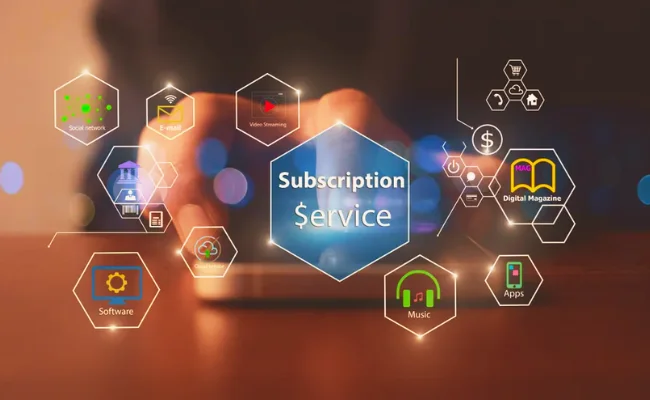
A subscription-based business model is one where customers pay a recurring fee (monthly, quarterly, or annually) to gain continuous access to a product or service instead of making a one-time purchase.
Instead of selling ownership, businesses sell access, convenience, and ongoing value.
Simple Examples:
- Netflix → Monthly access to movies and shows
- Spotify → Music streaming subscription
- Adobe Creative Cloud → Software access on a monthly plan
- Dollar Shave Club → Regular delivery of razors
- Gym memberships → Monthly fitness access
In short:
👉 Customers keep paying as long as they keep seeing value.
Why Subscription Models Are Booming in the USA
The subscription economy has exploded in the U.S. for several strong reasons:
- Predictable Revenue for Businesses
Subscriptions create recurring, predictable income, which is every entrepreneur’s dream. Unlike one-time sales, you can forecast revenue months ahead.
- Convenience for Customers
Customers love the “set it and forget it” experience — no repeated purchases, no hassle.
- Strong Customer Relationships
Subscriptions shift focus from short-term sales to long-term relationships, improving customer lifetime value (LTV).
- Data & Personalization
Businesses collect user data over time and use it to improve offerings, personalize experiences, and reduce churn.
Types of Subscription-Based Business Models
Not all subscription businesses work the same way. In the U.S. market, these are the most common formats:
- Product-Based Subscriptions
Physical products delivered on a recurring basis.
Examples:
- Dollar Shave Club
- Blue Apron
- Birchbox
Best for:
Consumer goods, beauty, food, wellness, pet supplies
- Service-Based Subscriptions
Ongoing access to a service rather than a physical product.
Examples:
- Netflix, Hulu
- Gym memberships
- Online learning platforms like Coursera Plus
Best for:
Entertainment, fitness, education, digital platforms
- Software-as-a-Service (SaaS)
Customers subscribe to software instead of buying licenses.
Examples:
- Salesforce
- Zoom
- Microsoft 365
Best for:
Tech startups, B2B companies, productivity tools
- Membership & Community Subscriptions
Users pay for exclusive access, content, or a community.
Examples:
- Amazon Prime
- Patreon
- Private business mastermind groups
Best for:
Creators, coaches, influencers, niche communities
How the Subscription Business Model Makes Money
At its core, subscription profitability depends on retention, not just sales.
Key revenue drivers include:
- Monthly Recurring Revenue (MRR)
- Annual Recurring Revenue (ARR)
- Customer Lifetime Value (LTV)
- Churn Rate (customers who cancel)
💡 A business with high retention can outperform one with high sales but poor loyalty.
Advantages of Subscription-Based Businesses
Here’s why U.S. companies love this model:
- Stable Cash Flow
Recurring payments reduce revenue volatility and improve financial planning.
- Higher Customer Lifetime Value
A $20/month subscriber staying for 3 years is far more valuable than a one-time $50 customer.
- Easier Upselling & Cross-Selling
You already have the customer — adding premium tiers becomes easier.
- Brand Loyalty
Long-term engagement builds trust and emotional connection with the brand.
Challenges of the Subscription Model
Despite its benefits, this model is not “easy money.” It comes with challenges:
- Customer Churn
If customers don’t see consistent value, they cancel quickly.
- High Initial Costs
Marketing, onboarding, and tech setup can be expensive upfront.
- Continuous Value Delivery
You must constantly improve content, features, or service.
- Pricing Pressure
Customers easily compare subscriptions and cancel if pricing feels unfair.
How to Build a Successful Subscription Business (Step-by-Step)
Step 1: Identify a Real Ongoing Need
Ask yourself:
- Does my product solve a recurring problem?
- Will customers need this again and again?
Subscriptions fail when the problem is one-time.
Step 2: Choose the Right Pricing Strategy
Common pricing models include:
- Flat-rate pricing
- Tiered pricing (Basic, Pro, Premium)
- Usage-based pricing
💡 In the U.S. market, tiered pricing works exceptionally well.
Step 3: Focus on Onboarding
First impressions matter. A smooth onboarding process reduces early cancellations.
Step 4: Retention Over Acquisition
It’s cheaper to keep a customer than to acquire a new one.
Use:
- Email engagement
- Loyalty perks
- Regular updates & improvements
Step 5: Track Key Metrics
Successful subscription businesses obsess over:
- Churn rate
- Customer feedback
- Engagement data
Real-Life U.S. Success Stories
Netflix
Started as DVD rentals → evolved into a global streaming giant by mastering content retention.
Amazon Prime
Not just shipping — Prime bundles video, music, and exclusive deals to lock in customers.
Salesforce
Revolutionized enterprise software by moving from licenses to cloud subscriptions
Is the Subscription Model Right for Your Business?
A subscription-based model is ideal if:
- Your product provides continuous value
- You can build long-term relationships
- You’re ready to invest in customer experience
It’s not ideal if:
- Your product solves a one-time problem
- You cannot support ongoing updates or service
Final Thoughts
The subscription-based business model is not just a trend — it’s a long-term shift in how modern businesses operate, especially in the U.S. market. When done right, it creates predictable revenue, loyal customers, and scalable growth.
But success depends on one simple principle:
👉 Customers don’t pay for products — they pay for value over time.
If you can deliver that consistently, a subscription business can become one of the most powerful models in today’s economy.
About the Author