Whether you’re craving a hot-light glazed doughnut 🍩 or dreaming of owning a slice of one of America’s most beloved food brands, Krispy Kreme is the kind of name that sparks excitement. With deep roots stretching back to 1937, Krispy Kreme has grown into a global brand known for its signature Original Glazed doughnut and a wide range of sweet treats.
But what does it really take to own a Krispy Kreme franchise in the United States? How much does it cost? What fees are involved? What’s the profit potential? And who actually qualifies to become a franchisee?
Let’s break it all down in a clear, engaging way — no fluff, just the facts you need to evaluate this iconic franchise opportunity.
🍩 What Is the Krispy Kreme Franchise Opportunity?
A Krispy Kreme franchise allows you to operate a retail doughnut shop — complete with products made to company standards and supported by national marketing, training, and supply systems. Franchisees benefit from the brand’s name recognition and loyal customer base while handling day-to-day operations.
Historically, Krispy Kreme has offered franchise opportunities in the U.S., although recently the company is not actively accepting new inquiries at the moment.
Keep in mind: every franchisor’s policies evolve over time — including whether they open or pause new franchise sales — so it’s always important to check the latest Krispy Kreme Franchise Disclosure Document (FDD) and contact the company for the most current status.
💰 Krispy Kreme Franchise Costs: How Much You’ll Need
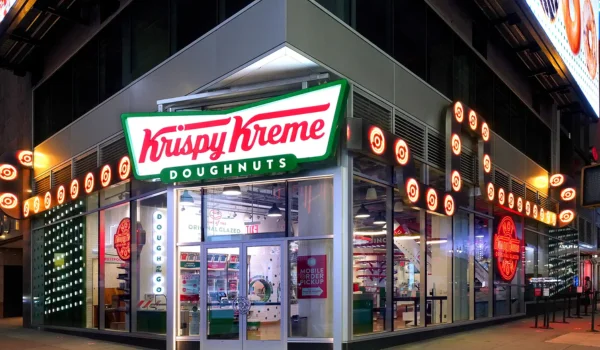
When considering a Krispy Kreme franchise, the financial commitment is significant due to the brand strength, real estate requirements, equipment, and build-out costs. Here’s a breakdown of the typical cost range:
📌 Estimated Initial Investment Range
The total investment to open a Krispy Kreme franchise in the U.S. typically ranges between:
👉 $622,500 – $4,330,000+
Depending on store type and location
That’s a pretty wide range — because Krispy Kreme has several store formats and operational models:
- Small Retail Shop / Box Shop
- Kiosk / Mall Location
- Fresh Shop
- Tunnel Oven Shop (production + retail)
- Factory Store (largest, with full doughnut production)
- Commissary Facility (production only)
Each format has its own cost structure, footprint, and operational complexity — and therefore a different upfront investment requirement.
📊 Typical Franchise Fee
The franchise fee is the one-time payment you make to secure rights to operate a Krispy Kreme location.
Based on available industry data, the franchise fee typically ranges from:
👉 $12,500 – $25,000 (per store)
Different formats may have slightly different fees:
- Traditional Retail Shop: ~$25,000
- Kiosk: ~$7,500
- Commissary Facility: ~$12,500
This fee gives you the right to use the Krispy Kreme brand, recipes, systems, training and ongoing support.
🛠️ Breakdown of Other Startup Costs
Beyond the franchise fee, most of your investment will go into:
- Real Estate & Build-Out
✔ Lease deposits
✔ Site construction and improvements
✔ Interior build-out
Cost can vary widely based on city and retail space — often hundreds of thousands to millions.
- Equipment & Fixtures
✔ Doughnut production equipment
✔ Ovens and tunnel system
✔ POS and technology
✔ Display cases and signage
This often ranges from $175,000 to $550,000+ depending on format.
- Initial Inventory
✔ Doughnut ingredients
✔ Packaging
✔ Supplies
Estimated at $5,000 – $50,000 in many cases.
- Marketing & Grand Opening
You will typically budget for grand opening campaigns, local marketing and promotional costs — often $20,000 – $45,000.
- Working Capital
Most franchisors recommend that new owners carry 3–6 months of working capital to cover payroll, inventory, lease and other operational costs while the store ramps up. This could be roughly $40,000 – $125,000 or more.
💼 Ongoing Fees and Royalty Structure
Once your Krispy Kreme store opens, you’ll pay ongoing fees that support the brand and system:
📊 Royalty Fees
👉 Typically around 4.5% of gross or net sales — depending on the franchise agreement terms.
This fee pays for continued use of trademarks, operational support, and corporate services.
📣 Advertising & Brand Fund Contributions
Franchisees are usually required to contribute to national and local marketing:
✔ Marketing Royalty: up to ~1% – 2.5% of gross sales
✔ Brand Fund: up to ~2% of net sales
💻 Technology & Other Fees
Some agreements include small monthly technology fees (e.g., ~$300/location) that support POS, reporting, and digital tools.
📈 Revenue & Profit Potential
One of the most important questions for any prospective franchisee is: Can you make money with a Krispy Kreme franchise?
While Krispy Kreme does not publicly disclose official earnings per location (Item 19 in the FDD), experienced franchise analysts and available data suggest the brand can be profitable in high-traffic locations.
🍩 Revenue Drivers
✔ Foot traffic (mall or urban center)
✔ Drive-thru convenience
✔ Coffee & beverage sales
✔ Catering and wholesale accounts
✔ Seasonal and limited-edition products
These revenue streams diversify your income and boost average sales.
💸 Estimated Profit Margins
Profitability depends heavily on:
✔ Location quality
✔ Cost management
✔ Labor efficiency
✔ Marketing effectiveness
A well-run Krispy Kreme shop in a busy area can generate healthy margins typical of branded fast-casual franchises, particularly because doughnuts and coffee often have high gross margins.
However, expect:
- Break-even time: ~18–36 months (industry estimate)
- Profit margins: Variable, often improving once your store builds repeat customers
Because Krispy Kreme doesn’t publish standardized earnings, you should always review actual store financial performance before investing.
👔 Franchise Eligibility: Who Can Apply?
To qualify for a Krispy Kreme franchise, candidates generally must meet both financial and personal criteria:
📌 Financial Requirements
✔ Minimum Net Worth: ~$2,000,000+
✔ Liquid Assets: ~$300,000 – $500,000+
✔ Total investment capacity to fund the store setup and startup costs is expected.
These figures can vary slightly by location and store format.
📌 Personal and Business Traits
Ideal franchisees typically have:
✔ Strong work ethic and customer service focus
✔ Experience in retail management or business operations
✔ Ability to manage staff, inventory and marketing
✔ Commitment to brand standards
While prior food-service experience helps, many franchisors train owners with minimal restaurant background. Krispy Kreme’s training programs usually cover production, operations and management.
📌 Application Process: Step-by-Step
Here’s how the process generally works:
- Initial Inquiry
Contact Krispy Kreme’s franchise development team with your interest and basic background.
- Pre-Qualification
Submit financial statements to prove you meet net worth and liquidity requirements.
- Franchise Disclosure Document
Receive and review the FDD — this complex but crucial document outlines costs, obligations, fees, legal terms and more.
- Discovery Day
Meet corporate leadership, visit existing stores, and ask detailed operational questions.
- Site Selection
Work with the franchisor to identify and secure a location with strong market potential.
- Training & Build-Out
Attend training programs and begin store construction and equipment installation.
- Grand Opening
Launch your business with marketing support and opening promotions.
📊 Pros & Cons: Is It Worth It?
👍 Advantages
✔ Strong brand recognition and customer loyalty
✔ Multiple formats (kiosk, retail, drive-thru, etc.)
✔ Diversified revenue streams
✔ Support systems (training, marketing, operations)
👎 Challenges
✘ High initial investment compared to smaller franchises
✘ Competitive food retail landscape
✘ Profitability tied tightly to location and operational excellence
✘ Seasonal demand fluctuations
🧠 Final Thoughts
Owning a Krispy Kreme franchise can be a sweet business opportunity, especially if you secure a high-traffic location and manage operations effectively. With brand-level support, strong customer demand, and diversified revenue streams, this franchise has solid potential for long-term success.
That said, the investment is significant — from several hundred thousand to multiple millions depending on format — and profitability is not guaranteed without strong operational discipline. Always consult the latest FDD, talk with existing franchisees, and work with financial and legal advisors before making a major investment decision.
About the Author