In today’s digital and service-driven economy, one of the most flexible and profitable business structures is the agency business model. From marketing firms and advertising agencies to recruitment, PR, design, consulting, and digital service agencies — this model powers thousands of successful companies across the United States.
But what exactly is an agency business model?
How does it make money?
Why do so many entrepreneurs start agencies first?
And how can it scale beyond trading time for money?
In this detailed guide, we’ll break down the agency business model in simple, engaging language — so whether you’re an aspiring entrepreneur, freelancer, or investor, you’ll clearly understand how this model works and how to make it successful.
What Is an Agency Business Model?
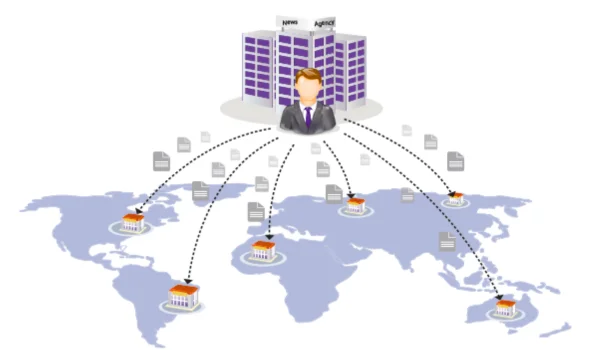
At its core, an agency is a service-based business that provides specialized expertise to clients for a fee.
Instead of selling physical products, agencies sell:
- Skills
- Strategy
- Creativity
- Execution
- Expertise
An agency acts as a third-party service provider that helps clients achieve specific goals.
For example:
- A marketing agency helps businesses generate leads.
- A PR agency helps companies manage public image.
- A recruitment agency helps companies hire talent.
- A digital agency builds websites and apps.
Agencies exist because most businesses don’t have the time, talent, or internal resources to handle everything themselves.
Core Value Proposition of an Agency
The success of any agency starts with a clear value proposition.
Agencies provide:
✔ Expertise on Demand
Clients get specialized professionals without hiring full-time employees.
✔ Cost Efficiency
Hiring an in-house team can be expensive (salary, benefits, training). Agencies offer flexible engagement models.
✔ Speed & Focus
Agencies work on focused projects with defined deliverables and timelines.
✔ Scalability
Clients can increase or reduce services based on need.
In short, agencies provide flexibility, skill, and efficiency.
Revenue Models: How Agencies Make Money
Agencies have multiple ways to generate revenue. The model you choose affects profitability and scalability.
- Project-Based Pricing
Clients pay a fixed fee for a defined project.
Examples:
- Website development: $8,000
- Branding package: $5,000
- Social media campaign: $3,000
Advantages:
- Clear scope
- Predictable billing
- Easy for clients to understand
Challenges:
- Income can fluctuate
- Requires constant new client acquisition
- Retainer Model
Clients pay a monthly fee for ongoing services.
Example:
- $2,000 per month for social media management
- $5,000 per month for SEO services
Why retainers are powerful:
- Predictable recurring revenue
- Stronger client relationships
- Better cash flow stability
Many successful agencies focus heavily on retainer-based services.
- Performance-Based Pricing
The agency earns based on results.
Examples:
- Percentage of ad spend
- Commission per sale
- Revenue-sharing agreements
This model aligns agency and client interests but can carry higher risk.
- Hourly Billing
Common in consulting and legal agencies.
Example:
- $150 per hour for strategy consulting
While straightforward, this model limits scalability because revenue is tied directly to time.
- Hybrid Model
Many agencies combine:
- Setup fees
- Monthly retainers
- Performance bonuses
This diversified pricing approach increases revenue stability.
Types of Agencies
The agency model is highly adaptable across industries.
Common types include:
- Marketing Agencies
Digital marketing, SEO, social media, PPC advertising.
- Creative Agencies
Branding, graphic design, video production.
- Advertising Agencies
Campaign strategy and media buying.
- Recruitment Agencies
Talent sourcing and placement services.
- Consulting Agencies
Business strategy, management consulting.
- Public Relations Agencies
Reputation management and media relations.
- Technology & Development Agencies
Website development, software creation.
The business structure remains similar across these types — only the service expertise changes.
Key Components of the Agency Business Model
Let’s break down how agencies operate structurally.
- Client Acquisition System
Agencies survive on acquiring and retaining clients.
Common acquisition channels:
- Referrals
- Networking
- LinkedIn outreach
- Paid advertising
- Content marketing
- Cold email campaigns
Strong agencies build consistent lead pipelines.
- Service Delivery System
This includes:
- Onboarding process
- Project management systems
- Communication channels
- Performance tracking tools
Efficiency here determines profit margins.
- Talent Structure
Agencies typically use:
- Full-time employees
- Freelancers
- Contractors
- Virtual assistants
A flexible workforce keeps costs manageable.
- Margins & Markups
Agencies make money by:
- Charging more than delivery cost
- Managing labor efficiently
- Packaging services strategically
Example:
If a service costs $1,000 to deliver and the agency charges $3,000, the gross margin is strong.
Cost Structure of an Agency
Agencies generally have lower startup costs compared to product businesses.
Major expenses include:
✔ Salaries or contractor payments
✔ Software tools (CRM, project management, design tools)
✔ Marketing & advertising
✔ Office space (if physical)
✔ Legal & accounting
Many modern agencies operate remotely, reducing overhead.
Advantages of the Agency Business Model
The agency model is popular because it offers:
- Low Startup Costs
You mainly need skills and a laptop.
- High Profit Potential
Margins can range from 20% to 60% depending on structure.
- Quick Revenue Generation
Unlike product startups, agencies can start earning within weeks.
- Flexibility
You can scale up or down based on demand.
- Cash Flow Friendly
Retainers provide predictable income.
Challenges of the Agency Model
Despite its strengths, agencies face common challenges.
- Revenue Volatility
Without recurring contracts, income fluctuates.
- Client Dependency
Losing one major client can significantly impact revenue.
- Talent Retention
Skilled professionals are in high demand.
- Scope Creep
Clients may request additional work without extra payment.
Strong contracts and boundaries are essential
- Scalability Limits
If revenue depends entirely on the founder’s time, growth stalls.
How Agencies Scale Beyond Time-for-Money
The biggest transformation in agency growth comes from systemization.
- Building Processes
Documented workflows allow:
- Delegation
- Consistent quality
- Faster onboarding
- Hiring & Team Expansion
Scaling requires moving from:
Founder doing everything → Specialized team members.
- Productized Services
Instead of custom solutions every time, agencies create standardized packages.
Example:
“Local SEO Package – $1,500/month”
Productization improves efficiency.
- Automation & Technology
Using:
- CRM tools
- Email automation
- AI tools
- Project management platforms
Automation increases margins.
- Expanding Into Consulting or Digital Products
Successful agencies often evolve into:
- Online courses
- Software tools
- Coaching programs
This increases scalability and valuation.
Is the Agency Model Sustainable?
Yes — but sustainability depends on:
✔ Strong niche positioning
✔ Recurring revenue streams
✔ Clear differentiation
✔ Systemized operations
✔ High client satisfaction
Agencies that specialize in a niche (e.g., dental marketing, real estate branding, SaaS SEO) often outperform generalists.
The Future of Agency Businesses
The agency model continues to evolve due to:
- Remote work expansion
- AI-driven productivity
- Global freelancing networks
- Performance-based contracts
- Increased outsourcing trends
Businesses increasingly prefer outsourcing specialized functions rather than hiring internally.
This keeps agency demand strong.
Strategic Lessons for Entrepreneurs
The agency business model teaches powerful lessons:
- Start With Skills
You don’t need inventory or manufacturing.
- Build Relationships
Long-term clients drive stability.
- Focus on Results
Outcome-driven agencies retain clients longer.
- Systemize Early
Document processes from day one.
- Niche Down
Specialization builds authority and premium pricing.
Final Thoughts
The agency business model is one of the most accessible, flexible, and profitable structures in modern business.
It combines:
- Expertise-based services
- Recurring revenue opportunities
- Low overhead
- Scalable systems
- Relationship-driven growth
From solo freelancers to multi-million-dollar firms, agencies remain a powerful path for entrepreneurs who want to build income quickly and grow strategically.
If structured properly — with strong systems, recurring revenue, and a focused niche — an agency can evolve from a simple service provider into a scalable enterprise.
About the Author