If you’re dreaming of owning a Chipotle Mexican Grill — serving burritos, bowls, tacos, and salads that customers line up for — you’re not alone. Chipotle is one of the most recognizable fast-casual brands in the United States and around the world. But when it comes to franchising, the reality is very different from most franchise opportunities.
In this detailed guide, written from the perspective of a USA business franchise expert, you’ll learn everything you must know about Chipotle franchise cost, investment requirements, franchise model (or lack thereof), profit potential, eligibility criteria, and alternatives — all explained clearly and engagingly.
🍽️ What Makes Chipotle Special?
Chipotle Mexican Grill has redefined fast-casual dining in the U.S. with its focus on fresh ingredients, customizable menu, sustainable sourcing (“Food with Integrity”), and streamlined operations. Since opening its first restaurant in 1993, the brand has expanded massively — with over 3,000 locations worldwide as a testament to its popularity and operational strength.
Yet despite its success, it’s not a traditional franchise opportunity in the U.S.
❌ Chipotle Does Not Offer Traditional Franchises in the U.S.
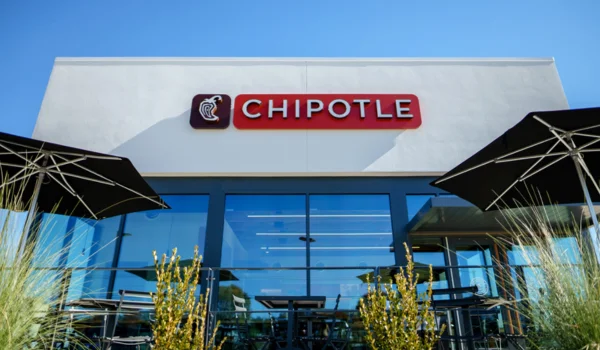
The most important fact to understand is:
Chipotle Mexican Grill does not offer franchise opportunities in the United States. All restaurants are owned and operated by the corporation itself — not by individual franchisees.
This means:
- There is no formal franchise system where you can buy a Chipotle license and operate independently.
- There’s no Franchise Disclosure Document (FDD) available for potential franchisees.
- There are no standard franchise fees or royalty structures because the company retains ownership of all locations.
In fact, Chipotle hasn’t franchised its restaurants since the early 2000s; corporate leadership decided to buy back all franchised stores to have total operational and quality control across its network.
However, that doesn’t mean there’s absolutely no way to participate in Chipotle’s growth.
📌 Understanding Chipotle’s Current Expansion Model
Chipotle’s approach today is highly centralized:
🔹 All U.S. Locations Are Corporate-Owned
This is a deliberate strategy by the company to:
- Maintain strict consistency in ingredient quality.
- Control operations, training, and customer experience.
- Protect the brand identity and minimize brand risk.
Because of this, traditional franchising does not exist for independent investors.
🔹 International Licensed Units and Joint Ventures
While Chipsotle doesn’t franchise in the U.S., it is beginning to test non-traditional expansion methods in select foreign markets through licensing and joint venture deals. For example:
- Agreements with Alshaya Group for Middle East locations.
- Joint ventures with Alsea in Mexico.
These deals allow local partners to operate Chipotle restaurants while preserving brand standards.
So on a global level, Chipotle may offer business partnership opportunities — but these are highly selective and not the typical franchise model most investors learn about.
💸 Franchise Cost (If Chipotle Ever Franchised)
Since Chipotle doesn’t currently offer franchising, there is no official cost structure. But we can estimate what it might look like based on similar fast-casual brands like Qdoba, Moe’s Southwest Grill, and Baja Fresh:
📊 Estimated Franchise Costs (Hypothetical)
| Expense Component | Estimated Cost Range |
| Franchise Fee | $20,000 – $50,000 |
| Build-Out & Construction | $250,000 – $1,000,000+ |
| Kitchen Equipment & Technology | $150,000 – $300,000 |
| Initial Inventory | $20,000 – $50,000 |
| Working Capital | $50,000 – $100,000 |
| Total Estimated Investment | $600,000 – $2,000,000+ |
These numbers are industry estimates and not official Chipotle figures.
In summary, if Chipotle ever offered franchising, you could expect an investment requirement similar to other major fast-casual franchises — which is still a substantial financial commitment.
📈 Profit Potential of a Chipotle Restaurant
Because Chipotle doesn’t franchise, prospective owners can’t directly analyze franchise profits. But we can use existing company data and industry observations to understand the potential:
🔹 Strong Sales Performance
Chipotle locations routinely generate multi-million dollar annual sales per restaurant — often significantly higher than many comparable fast-casual concepts.
🔹 Healthy Profit Margins
Company-owned units typically operate with solid margins due to:
- Strong brand appeal.
- Efficient operations.
- Loyal customer base.
Industry analysts estimate that a fast-casual Mexican restaurant with strong performance could theoretically generate profit margins in the 15–25% range, depending on costs and location.
🔹 Investment Return Estimates (Hypothetical)
If an investor were to build a Chipotle-style franchise with ~$1M–$2M investment:
- Annual revenues could exceed $2M–$3M+ in high-traffic locations.
- Net profit could range from $250,000 to $500,000+ annually in a successful scenario.
- Break-even may take 3–6 years, depending on financing and operating efficiency.
Again — this is not official Chipotle data, but it reflects realistic scenarios based on similar businesses and current fast-casual industry performance.
📋 Eligibility & Requirements (Hypothetical)
If Chipotle did offer franchising in the future, typical eligibility criteria likely would include:
✅ Financial Capability
- Substantial liquid capital — at least $500,000+.
- Strong net worth — likely $1M+.
✅ Business and Operational Experience
- Proven track record in restaurant management or multi-unit operations.
- Leadership skills to maintain consistency and service quality.
✅ Willingness to Follow Corporate Standards
Chipotle’s brand thrives on tight operating procedures, so franchisees would need to adhere strictly to quality, sourcing, and customer service guidelines.
Again, these criteria are based on standard expectations for premium fast-casual franchise systems, not any published Chipotle franchise program.
🍟 Alternatives to Owning a Chipotle Franchise
Since you can’t buy a franchise directly, here are smart alternatives for investors who love the Chipotle brand and want to enter the fast-casual Mexican space:
- Invest in Chipotle Stock (CMG)
Chipotle is publicly traded under the ticker CMG — meaning you can benefit from corporate growth without owning a restaurant. Shareholders participate in profits and stock performance.
- Franchise Similar Concepts
Consider popular Mexican-style chains that do franchise, such as:
- Qdoba Mexican Eats
- Moe’s Southwest Grill
- Baja Fresh
These brands offer structured franchise programs with training and support.
- Start an Independent Fast-Casual Mexican Eatery
With your own brand, you have total control — though this comes with added risk and responsibility.
- Joint Venture or Licensing Abroad
If you have experience in international markets, opportunities to operate Chipotle in emerging territories might arise under strict corporate guidelines.
📌 Final Thoughts
Bottom Line:
Chipotle Mexican Grill is not currently a franchised brand in the United States. Aspiring entrepreneurs cannot buy a Chipotle franchise through a traditional franchise agreement.
Instead, the company operates all locations corporately to maintain maximum control over quality, customer experience, and operations.
However, this doesn’t mean you can’t participate in the company’s success. You can:
- Buy its stock.
- Franchise similar fast-casual Mexican concepts.
- Build your own restaurant brand inspired by Chipotle’s model.
If Chipotle ever opens a franchise program in the future, it would likely involve significant investment and strict operational expectations — but also the potential for strong financial rewards.
About the Author