When people think of Costco, they usually think of bulk products, unbeatable prices, and long checkout lines. But behind those oversized shopping carts is one of the smartest and most disciplined business models in the United States.
Costco is not just a warehouse retailer—it is a membership-driven, low-margin, high-volume powerhouse that consistently outperforms many traditional retailers. Unlike competitors that rely heavily on high markups, Costco has built a model based on trust, efficiency, and customer loyalty.
In this article, we’ll break down the Costco business model in a simple, engaging way and explain why it has become a textbook example of sustainable retail success.
What Is Costco?
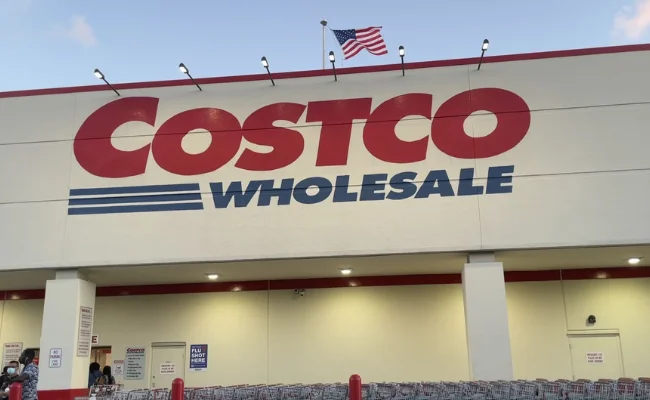
Costco Wholesale Corporation is a membership-based warehouse club retailer founded in 1983 in Seattle, Washington. Today, Costco operates hundreds of warehouses across the United States and internationally.
Costco sells:
- Groceries
- Electronics
- Clothing
- Furniture
- Appliances
- Private-label products (Kirkland Signature)
- Services such as travel, insurance, and optical care
But the real magic of Costco is not what it sells—it’s how it sells.
The Core Idea Behind Costco’s Business Model
Costco’s business model is built on three simple principles:
- Membership-first revenue
- Ultra-low product margins
- High volume and rapid inventory turnover
Costco is willing to earn very little profit on products because it makes a significant portion of its profits from membership fees.
👉 This single decision changes everything about how Costco operates.
- Membership Fees: Costco’s Profit Engine
Unlike most retailers, Costco charges customers to shop.
Types of Memberships:
- Gold Star (Individual)
- Business Membership
- Executive Membership (higher fee with cashback rewards)
Membership fees provide:
- Predictable recurring revenue
- High customer loyalty
- Financial stability even during economic downturns
In many years, Costco’s membership income alone covers most of its net profits, allowing the company to price products aggressively.
- Low Markup Strategy: The 14% Rule
One of Costco’s most famous internal rules is its markup cap.
- Most branded products are marked up no more than ~14%
- Kirkland Signature products are often marked up even less
Compare this to traditional retailers, which may mark up products 25–50% or more.
This pricing discipline:
- Builds immense customer trust
- Encourages repeat visits
- Makes price comparison almost unnecessary
Customers believe that if Costco sells it, it’s already a good deal.
- Limited Product Selection: Less Is More
A typical Costco warehouse carries around 3,500–4,000 SKUs, while a traditional supermarket may carry over 30,000.
Why This Works:
- Stronger negotiating power with suppliers
- Faster inventory turnover
- Lower operating complexity
Costco doesn’t want to offer endless choices—it wants to offer the best version of each product.
- Private Label Power: Kirkland Signature
Kirkland Signature is one of the strongest private-label brands in retail.
Why Kirkland Matters:
- Higher margins than branded goods
- Strong quality perception
- Customer loyalty and trust
Many Kirkland products are manufactured by the same companies that produce premium national brands—just sold under Costco’s label at a lower price.
Kirkland is not a budget brand; it’s a value-for-money premium brand.
- High Volume, Fast Inventory Turnover
Costco focuses on:
- Selling in bulk
- Moving inventory quickly
- Minimizing storage costs
High turnover means:
- Less capital tied up in inventory
- Fresher products
- Strong cash flow
Costco’s warehouses are designed for efficiency, not aesthetics.
- No-Frills Warehouses, Lower Costs
Walk into a Costco and you’ll notice:
- Concrete floors
- Industrial shelving
- Minimal decoration
- Products displayed on pallets
This is intentional.
Costco avoids unnecessary expenses so savings can be passed on to customers. Lower operating costs directly support lower prices.
- Employee-Centric Culture
One of Costco’s biggest competitive advantages is its workforce strategy.
Costco pays:
- Higher-than-average wages
- Better benefits
- Stable working hours
As a result:
- Lower employee turnover
- Better customer service
- Higher productivity
Costco believes happy employees create happy customers, and the data supports this.
- Treasure Hunt Shopping Experience
Costco intentionally rotates:
- Seasonal items
- Limited-time deals
- Special buys
This creates a “treasure hunt” feeling where customers:
- Discover unexpected products
- Buy impulsively
- Visit stores more frequently
Scarcity drives urgency.
- Services and Add-On Revenue Streams
Beyond products, Costco offers:
- Gas stations
- Pharmacy and optical services
- Travel packages
- Insurance programs
- Food courts
While some of these operate at low margins, they:
- Increase foot traffic
- Strengthen membership value
- Improve customer retention
Why Costco’s Business Model Is So Resilient
- Recession-Resistant
In tough economic times, consumers prioritize value—and Costco thrives.
- Strong Customer Loyalty
Membership renewal rates are extremely high, especially in the U.S.
- Supplier Partnerships
Costco works closely with suppliers, often forming long-term relationships.
Challenges in Costco’s Model
Despite its success, Costco faces challenges:
- Thin product margins leave little room for error
- Expansion requires large capital investment
- Limited product variety may not appeal to everyone
However, Costco’s discipline helps mitigate these risks.
Lessons Businesses Can Learn from Costco
- Recurring revenue builds stability
- Trust is more valuable than short-term profit
- Operational efficiency beats flashy marketing
- Employee treatment impacts brand success
Final Thoughts
The Costco business model proves that retail success doesn’t require high prices or aggressive marketing. Instead, Costco wins by aligning every part of its operation around value, loyalty, and efficiency.
Costco doesn’t chase trends—it builds trust. And in the long run, trust becomes one of the most profitable assets any business can own.
👉 Costco sells value in bulk—and loyalty for life.
About the Author