Ecommerce has completely transformed how Americans buy and sell products. From small home-based startups to billion-dollar enterprises, online business models have created enormous opportunities over the past two decades.
But here’s something many beginners don’t understand:
Not all ecommerce businesses operate the same way.
There are multiple ecommerce business models, and choosing the right one determines your startup costs, risk level, profit margins, and scalability.
As a USA business expert, I’ll break down ecommerce business models in simple, practical language — with real-world examples and strategic insights.
What Is an Ecommerce Business Model?
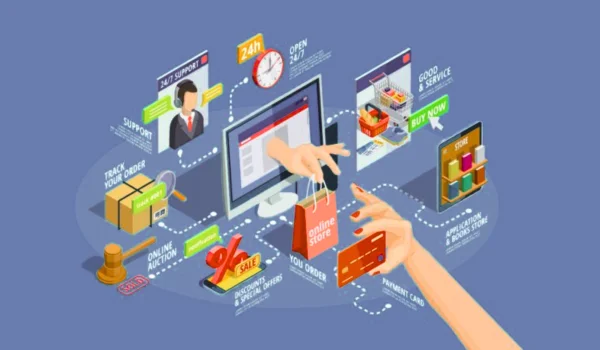
An ecommerce business model explains:
- What you sell
- Who you sell to
- How you source products
- How you deliver them
- How you make money
It’s the blueprint for how your online store operates.
Some models require inventory. Others don’t. Some focus on branding. Others focus on logistics. Some prioritize scale. Others focus on niche profit margins.
Let’s explore the major types.
- B2C (Business-to-Consumer)
This is the most common ecommerce model.
A business sells products directly to consumers through an online store.
Example:
Amazon
Walmart
Target
How it works:
- Customer visits website
- Places order
- Product is shipped
- Business earns profit margin
Revenue comes from:
- Product sales
- Sometimes memberships (like Prime programs)
This model works well for retail, fashion, electronics, beauty, and household goods.
- B2B (Business-to-Business)
In this model, businesses sell products or services to other businesses.
Example:
Alibaba (global wholesale platform)
Grainger
How it works:
- Bulk orders
- Contract pricing
- Larger transaction values
Revenue comes from:
- Wholesale pricing
- Long-term supplier agreements
Margins may be lower per unit but higher per transaction.
- D2C (Direct-to-Consumer)
Direct-to-consumer brands manufacture or source products and sell directly through their own website — without middlemen.
Example:
Warby Parker
Allbirds
This model cuts out retailers and distributors.
Advantages:
- Higher profit margins
- Brand control
- Direct customer relationship
- Data ownership
Revenue comes from:
- Online product sales
- Subscription options (in some cases)
This model is very popular among modern U.S. startups.
- Dropshipping
Dropshipping is one of the lowest-barrier ecommerce models.
How it works:
- You create an online store.
- A customer places an order.
- A third-party supplier ships the product directly to the customer.
- You keep the profit difference.
You never hold inventory.
Platforms like Shopify and suppliers via AliExpress make this easy.
Advantages:
- Low startup cost
- No inventory management
- Location freedom
Challenges:
- Low margins
- High competition
- Less control over shipping times
Revenue comes from:
- Retail markup
This model works best with strong marketing and niche targeting.
- Subscription Ecommerce Model
In this model, customers pay recurring monthly or yearly fees.
Examples:
Dollar Shave Club
HelloFresh
How it works:
- Customer subscribes.
- Products are delivered regularly.
- Revenue is predictable.
Advantages:
- Recurring revenue
- Higher customer lifetime value
- Predictable cash flow
Challenges:
- Customer churn
- Constant need for value delivery
This model is powerful because it builds financial stability.
- Marketplace Model
A marketplace connects buyers and sellers.
The platform does not own inventory — it earns commissions.
Examples:
eBay
Etsy
Revenue comes from:
- Transaction fees
- Listing fees
- Advertising services
Advantages:
- Scalable
- Network effect growth
- Asset-light
Challenges:
- Requires trust
- Hard to build from scratch
- Platform moderation issues
This model becomes very powerful once scale is achieved.
- Print-on-Demand
A variation of dropshipping.
How it works:
- You design products (shirts, mugs, posters).
- A print partner produces items only after purchase.
- The supplier ships to the customer.
Platforms like Printful support this.
Advantages:
- No inventory
- Creative flexibility
- Low upfront cost
Revenue comes from:
- Retail markup on customized goods
This model works well for influencers and niche creators.
- White Label / Private Label
In this model:
- You source generic products.
- You brand them as your own.
- You control marketing and packaging.
Amazon private label sellers use this strategy heavily.
Advantages:
- Higher margins
- Brand ownership
- Scalability
Challenges:
- Requires upfront inventory investment
- Competitive marketplace
Revenue comes from:
- Branded product sales
- Digital Products Ecommerce
This model sells downloadable or online products.
Examples include:
- Online courses
- Ebooks
- Templates
- Software
- Music
Advantages:
- No physical inventory
- Extremely high profit margins
- Instant delivery
Revenue models include:
- One-time purchases
- Subscriptions
- Licensing
This is one of the most profitable ecommerce models due to low overhead.
- Hybrid Ecommerce Model
Many modern businesses combine multiple models.
Example:
A brand may:
- Sell D2C on its website
- Sell on Amazon marketplace
- Offer subscriptions
- Use influencers
Hybrid models reduce risk and increase reach.
Revenue Streams in Ecommerce
Ecommerce businesses earn revenue from:
- Product sales
- Subscription fees
- Advertising
- Affiliate commissions
- Upselling
- Cross-selling
- Membership programs
- Digital downloads
The best ecommerce businesses diversify income streams.
Key Cost Structures in Ecommerce
Understanding revenue alone isn’t enough.
Major costs include:
- Product sourcing
- Shipping & logistics
- Payment processing fees
- Advertising (Facebook, Google ads)
- Website hosting
- Customer service
- Returns & refunds
Profitability depends heavily on controlling these costs.
Choosing the Right Ecommerce Model
Ask yourself:
- Do I want to hold inventory?
- How much startup capital do I have?
- Do I want recurring revenue?
- Am I building a brand or flipping products?
- What is my risk tolerance?
If low capital → Dropshipping or digital products
If strong branding ability → D2C or private label
If tech-focused → Marketplace or SaaS ecommerce
If long-term stability → Subscription model
Trends Shaping Ecommerce in the USA
The ecommerce industry continues evolving.
Major trends include:
- Mobile-first shopping
- Social commerce (Instagram, TikTok shops)
- AI-driven personalization
- Faster shipping expectations
- Sustainable packaging
- Influencer partnerships
Brands that adapt to consumer behavior win.
Common Mistakes in Ecommerce
- Ignoring customer experience
- Underestimating shipping costs
- Weak branding
- Relying too heavily on one traffic source
- No email marketing strategy
Ecommerce is competitive — but strategic planning reduces risk.
Final Thoughts
Ecommerce business models offer flexibility, scalability, and global reach like never before.
But success depends on choosing the right model for your goals, capital, and skill set.
Here’s the big takeaway:
- Dropshipping is easy to start.
- D2C builds long-term brand equity.
- Subscription creates predictable revenue.
- Marketplaces scale through network effects.
- Digital products offer high margins.
There is no “best” ecommerce model — only the best one for your strategy.
In today’s digital economy, ecommerce is no longer optional. It’s a powerful pathway to entrepreneurship, innovation, and wealth creation.
The key is understanding how each model works — and aligning it with your business vision.
About the Author