The telecommunications industry in the USA is evolving rapidly, and GSM MVNOs (Mobile Virtual Network Operators) are a fascinating part of this landscape. Unlike traditional carriers, MVNOs operate without owning their network infrastructure, yet they manage to carve out profitable business models by targeting niche markets, offering unique services, and leveraging flexibility in pricing. In this article, we explore the GSM MVNO business model, how it generates revenue, and why it is becoming an attractive venture for entrepreneurs and investors alike.
What is a GSM MVNO?
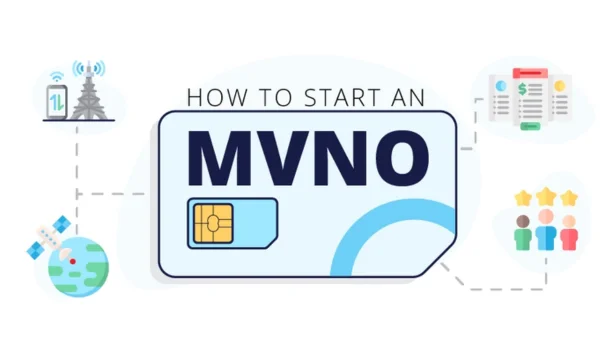
A GSM MVNO is a company that provides mobile phone services under its own brand but does not own the wireless network infrastructure. Instead, it leases access from established carriers, such as AT&T, T-Mobile, or Verizon, to deliver voice, messaging, and data services to customers. This model allows MVNOs to focus on marketing, customer experience, and service differentiation, rather than investing heavily in expensive network towers or spectrum licenses.
In simple terms:
- MNO (Mobile Network Operator) = Owns the network (e.g., Verizon)
- MVNO = Rents network access and sells it under their own brand
How GSM MVNOs Make Money
The MVNO business model is versatile and can generate revenue in several ways. Here’s a breakdown of the key streams:
- Retail Customer Plans
Most GSM MVNOs sell prepaid or postpaid mobile plans to individual consumers. They purchase network capacity from MNOs at wholesale rates and then resell it at a higher price. Profit comes from the margin between wholesale cost and retail price.
For example:
- MVNO buys data at $10 per GB from the MNO
- Sells to consumers at $15 per GB
- The difference ($5 per GB) is revenue
- Targeted Niche Markets
Many MVNOs focus on specific customer segments, such as:
- Budget-conscious users
- International travelers needing cheap roaming
- Ethnic communities requiring calls abroad
- Seniors or students
By tailoring services to niche audiences, MVNOs can charge premium fees for convenience, unique features, or specialized plans, increasing revenue per user.
- Value-Added Services
Beyond basic voice and data, MVNOs often offer additional services like:
- Mobile device insurance
- Rollover data plans
- Mobile hotspots and IoT (Internet of Things) services
- App-based loyalty programs
These extras generate incremental revenue and help differentiate the brand in a competitive market.
- Business and Enterprise Plans
Some MVNOs cater to small businesses or corporate clients. Offering bulk SIMs, pooled data plans, and corporate billing solutions allows MVNOs to secure high-value, long-term contracts, which stabilize cash flow and reduce customer churn.
- Wholesale MVNO Model
Interestingly, some MVNOs act as wholesale providers themselves. They lease network capacity from an MNO and then resell it to smaller MVNOs. This creates B2B revenue streams without direct consumer engagement.
Key Components of the GSM MVNO Business Model
Understanding how MVNOs operate requires a look at their core business model components:
- Network Leasing Agreement
- MVNOs negotiate wholesale contracts with MNOs.
- Pricing models can be per-minute, per-SMS, per-GB of data, or flat-rate.
- Customer Acquisition and Marketing
- MVNOs rely heavily on branding, social media, and targeted advertising to attract subscribers.
- Promotions like free SIM cards or introductory rates help grow user base.
- Operational Efficiency
- MVNOs often outsource billing, customer support, and technical operations to third-party providers, reducing overhead costs.
- Flexible Pricing and Bundling
- By offering customizable plans (e.g., family plans, data-only plans, pay-as-you-go), MVNOs attract a wider range of users and maximize revenue per user.
- Technology and Customer Experience
- MVNOs invest in apps, self-service portals, and automated support systems to enhance customer satisfaction while keeping costs low.
Why GSM MVNOs Succeed in the USA
Several factors make the MVNO model attractive and profitable in the American telecom market:
- Lower Capital Requirements: Unlike MNOs, MVNOs don’t need to invest billions in infrastructure.
- Market Segmentation: Targeting underserved or niche segments allows MVNOs to compete with big carriers without price wars.
- Agility: MVNOs can quickly adapt plans, pricing, and services based on customer needs.
- Customer-Centric Approach: By focusing on simplicity, flexibility, and personalized offers, MVNOs often achieve higher customer satisfaction.
- Regulatory Support: The FCC and other regulatory bodies encourage competition, making it easier for new MVNOs to enter the market.
Challenges in the GSM MVNO Business Model
While profitable, MVNOs face challenges:
- Dependence on MNOs: Pricing, network quality, and availability are controlled by the host MNO.
- Thin Margins: Competitive pricing pressures can reduce profitability, especially in crowded markets.
- Brand Recognition: New MVNOs must invest heavily in marketing to stand out against established carriers.
- Churn Management: Customers can switch providers easily, so retention strategies are crucial.
Future Trends for GSM MVNOs
The GSM MVNO space is evolving with emerging trends:
- 5G and IoT Integration: Offering 5G connectivity and IoT solutions creates new revenue streams.
- Digital-Only MVNOs: Fully app-based MVNOs reduce operational costs and appeal to tech-savvy users.
- Partnerships with Content Providers: Bundling streaming services and entertainment with mobile plans adds value for subscribers.
- Sustainable & Socially Responsible MVNOs: Eco-friendly or community-focused MVNOs attract conscious consumers.
Conclusion
The GSM MVNO business model is a smart way to enter the telecom industry without huge infrastructure costs. By leveraging wholesale network access, targeting niche markets, offering value-added services, and maintaining customer-centric operations, MVNOs in the USA can generate sustainable profits and grow steadily.
For entrepreneurs and investors looking at telecom opportunities, GSM MVNOs represent a flexible, low-capital, and potentially high-return business model that continues to thrive in today’s competitive market.
About the Author