Few American fast-food brands command as much devotion as In-N-Out Burger. From its legendary Double-Double to hand-cut fries and secret-menu lore, the chain has become a cultural icon — especially on the West Coast. But one question that surfaces again and again from fans and aspiring franchise investors is:
Can you buy a franchise from In-N-Out? If so, what does it cost? And is it worth it?
In this guide, we’ll answer all of that — and also explain why In-N-Out’s approach to business is very different from most fast-food franchises. Let’s dive in.
🍔 What Is In-N-Out Burger?
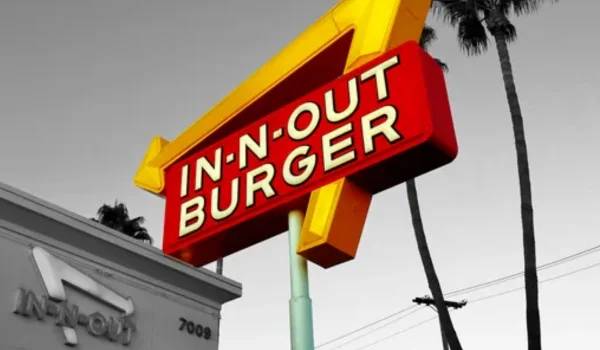
In-N-Out Burger is an iconic American fast-food chain founded in 1948 in Baldwin Park, California by Harry and Esther Snyder. Today, it remains privately owned and family-run, with Lynsi Snyder (their granddaughter) serving as president and controlling owner.
Despite its massive popularity and loyal following, In-N-Out operates very differently from most major burger chains like McDonald’s or Burger King — in one very crucial way…
❌ Fact: In-N-Out Does Not Franchise
Here’s the reality:
In-N-Out Burger does not offer franchise opportunities. All of its restaurants are company-owned and operated by the corporation — there is no franchising model available for independent investors.
This means:
✅ You cannot buy an In-N-Out franchise
✅ There’s no franchise fee set by the company
✅ There’s no Franchise Disclosure Document (FDD) to review
✅ You won’t pay royalties or advertising fees
✅ You don’t apply to be a franchisee
In short: there is no formal In-N-Out franchise business — and there likely never will be one.
Why? Because In-N-Out’s leadership believes that owning every location directly helps them maintain strict quality control, consistent customer experience, and the brand’s hard-earned reputation.
📌 Why In-N-Out Refuses to Franchise
It might seem counterintuitive — most chains franchise to grow faster and reduce capital burden. But In-N-Out sees franchising as a risk to their brand identity.
Here’s why In-N-Out has never offered franchise rights:
- Quality Control
Franchising often introduces variability because independent owners might cut corners or use different suppliers — risking uneven product quality. In-N-Out wants every burger tasted to be exactly the same regardless of location.
- Tight Supply Chain
One of In-N-Out’s core principles is fresh, never frozen ingredients. To ensure this, restaurants have to be near company distribution centers. Franchising would complicate this model and potentially require franchisees to find alternative supply sources, which the company rejects.
- Corporate Culture and Standards
By owning every location directly, In-N-Out preserves its internal training, pay models, and corporate culture — something it believes would suffer under franchising.
- Controlled Growth Strategy
Unlike McDonald’s or Subway — which opened thousands of franchised restaurants nationwide — In-N-Out has intentionally grown slowly and deliberately. Locations are placed where they can control supply and performance.
So if you were asking “how much is an In-N-Out franchise?” — the honest answer is: that question has no real answer because the company doesn’t sell franchises.
📊 Franchise Costs (If It Ever Franchised)
Even though In-N-Out has repeatedly refused to franchise, franchise analysts occasionally estimate what it might cost if the company ever changed its strategy — just to give context. These estimates should be taken as pure speculation and not official numbers.
Here’s what experts in the restaurant industry suggest based on comparable burger chains:
🧾 Estimated (Hypothetical) Franchise Numbers:
| Concept | Franchise Cost | Estimated Initial Investment |
| In-N-Out (if franchised) | – | $2M – $3M+ (estimated) |
| McDonald’s | $45,000 franchise fee | $1.5M – $2.5M |
| Five Guys | $25,000 franchise fee | $300K – $650K |
| Shake Shack (international) | varies | $3M – $6M |
These fictional estimates assume that if In-N-Out ever franchised, costs might align with higher-end fast-casual burger operations — even more expensive than most fast food franchises — due to their supply chain, real estate, and brand value.
But crucially: these figures don’t apply today — they are theoretical.
📈 Profit, Revenue & Why It Matters
Because there are no In-N-Out franchisees, there’s no actual profit data or owner financial performance to share. But what we do know about In-N-Out’s business model gives us clues:
➤ Company-Owned Store Financials
Corporate estimates show that a typical In-N-Out location may generate several million dollars in annual sales with healthy operating margins because of the brand’s popularity and efficient operations. One estimate suggests average gross sales around $4.5 million per location with an operating profit close to 20% (i.e., about $900,000 EBITDA) if it were hypothetically franchised.
➤ Growth Strategy Limits Expansion
Because In-N-Out only opens company-owned stores close to their distribution footprint, they grow much more slowly than franchised chains. This results in limited supply of new units, making them highly sought after — but not available for franchise investment.
👔 Eligibility: Can You Ever Get Involved?
Since traditional franchising is off the table, you might wonder if there’s any way to get involved with In-N-Out’s growth:
- Employment
One realistic path is building a career with the company — In-N-Out is known for promoting from within and offering above-industry wages for management roles.
- Real Estate Partnerships
In rare cases, property owners may negotiate leases with In-N-Out for new locations — but the business is not franchising, and you do not own the restaurant.
- Business Lessons
Entrepreneurs can study In-N-Out’s operational excellence, culture, and simplicity and apply those principles to their own restaurant concepts or franchise opportunities — but you can’t buy a franchise from them.
🔎 Bottom Line: What Every Franchise Seeker Should Know
Here’s the key takeaway:
✔ In-N-Out is one of the few major fast-food brands that refuses to franchise.
✔ All locations are corporate-owned — no franchise agreements exist.
✔ There’s no official franchise fee, investment range, or eligibility criteria for In-N-Out because they do not offer such a program.
Therefore, if your goal is to invest in or own a fast-food burger franchise, In-N-Out simply isn’t available — and probably never will be.
But don’t let that discourage you — countless other successful burger and fast-casual franchise opportunities do exist, and they offer real paths to ownership, support systems, clear costs, and profit potential. McDonald’s, Five Guys, Shake Shack, and many others have structured franchise programs that can be researched and pursued.
📌 Final Thoughts
In-N-Out’s refusal to franchise is part of its legend — and part of why it remains one of America’s most treasured burger brands. For fans who dream of owning a location someday, the reality is clear: you can’t — at least not in the traditional franchise sense.
But understanding why the company made that choice — prioritizing quality, culture, and consistency over rapid expansion — can teach valuable lessons for any aspiring entrepreneur.
So if you’re serious about fast-food franchising, your best next step is to explore brands that do offer franchise ownership — and tailor your investment and eligibility accordingly.
About the Author