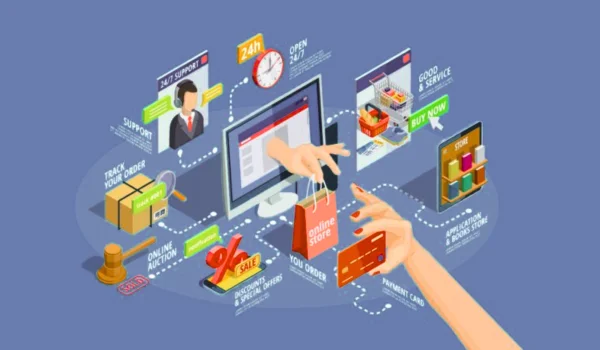
In the fast-growing world of fintech and online payments, Klarna has emerged as one of the most recognizable names in the USA and globally. Known for its “Buy Now, Pay Later” (BNPL) services, Klarna has transformed the way consumers shop online, offering flexible payment options and creating a new revenue model in the digital payments space. But how does Klarna make money, and what is its business model? In this article, we’ll break it down in a clear, engaging way for American readers.
What is Klarna?
Klarna is a Swedish fintech company founded in 2005 that provides payment solutions for consumers and merchants. Its core offering is the Buy Now, Pay Later service, allowing shoppers to purchase items immediately and pay over time, often interest-free. Klarna operates in multiple countries, including the USA, where it partners with thousands of online retailers to integrate its payment solutions.
In addition to BNPL, Klarna also offers:
- Direct payments via its app or online checkout
- Post-purchase financing options
- Shopping apps with price tracking, deals, and rewards
- Merchant services like analytics and marketing tools
Klarna Business Model

The Klarna business model revolves around bridging consumers and merchants with flexible payment solutions while generating revenue through multiple streams. Here’s a detailed look:
- Merchant Fees
One of Klarna’s primary revenue streams comes from merchant fees. When a customer chooses Klarna at checkout, the merchant pays a fee, usually a percentage of the transaction plus a fixed amount per sale.
- This fee covers the risk of offering credit to customers and the convenience of Klarna handling payment processing.
- Merchants benefit from higher conversion rates, larger order values, and reduced cart abandonment, making the fee worthwhile.
For example, a merchant selling $100 worth of products might pay Klarna 2–4% of the purchase price, which is significantly less than traditional credit card processing plus the added benefit of attracting more customers.
- Interest and Late Fees
While Klarna offers interest-free installments for short-term payments, it also provides financing options where customers can pay over several months with interest.
- Klarna earns interest revenue from customers who choose longer-term payment plans.
- Additionally, late fees apply if customers miss payment deadlines, generating another source of income.
These charges make Klarna profitable while still keeping its BNPL offering attractive and competitive.
- Consumer App Services
Klarna’s consumer app provides more than just payment solutions. It includes:
- Personalized shopping recommendations
- Deals and discounts
- Price tracking for purchased or saved items
Some features in the app, such as extended financing, may include small fees or interest. Moreover, by keeping users engaged through the app, Klarna increases transaction volume, indirectly boosting revenue from merchant fees.
- Data Analytics & Merchant Insights
Klarna collects valuable transaction and shopping behavior data, which can be leveraged to offer analytics services to merchants. These insights help retailers:
- Understand customer behavior
- Improve marketing strategies
- Optimize product offerings
Selling access to these insights, or using them to improve conversion rates for merchants, is another subtle but important revenue stream.
- Advertising & Partnerships
The Klarna app and platform can serve as an advertising channel for merchants, allowing them to promote deals or highlight products directly to engaged shoppers. Klarna can earn fees from these partnerships while adding value to both merchants and consumers.
Key Components of the Klarna Business Model
The success of Klarna lies in its integrated approach combining technology, finance, and user experience. Key components include:
- Consumer-Centric Approach
- Klarna focuses on convenience and flexibility, which attracts users and increases transaction frequency.
- Merchant Partnerships
- Working closely with online retailers ensures Klarna’s services are widely adopted at checkout.
- Risk Management
- Klarna assumes the credit risk for BNPL transactions, using sophisticated credit assessment algorithms to minimize defaults.
- Technology-Driven Platform
- Seamless integration with e-commerce platforms, mobile apps, and web checkout solutions enhances user experience.
- Diversified Revenue Streams
- Merchant fees, consumer financing, late fees, analytics, and advertising ensure multiple income channels.
Why Klarna’s Business Model Works
Klarna has successfully disrupted traditional retail and payment systems because:
- Flexible Payments Increase Sales: Consumers are more likely to purchase high-ticket items with BNPL options.
- Merchant Adoption Drives Volume: Retailers see clear benefits, making them willing to pay fees.
- Tech-Enabled Convenience: Mobile apps and seamless checkout improve customer retention.
- Recurring Revenue Streams: Interest, fees, and merchant contracts provide consistent income.
- Global Scalability: Klarna’s model works in multiple markets, making it highly scalable.
Challenges in Klarna’s Business Model
While Klarna has grown rapidly, there are challenges:
- Regulatory Scrutiny: BNPL services are increasingly regulated, especially regarding consumer protection.
- Credit Risk: Klarna bears the risk of customer defaults, particularly in markets with rising debt levels.
- Competition: Competitors like Affirm, Afterpay, PayPal, and Apple Pay pose constant pressure.
- Profitability Pressure: Offering interest-free plans attracts users but can reduce short-term profitability.
Future Trends for Klarna
The BNPL and fintech landscape is evolving, with Klarna at the forefront:
- Expansion of Consumer Services: More features in the Klarna app, including banking and savings solutions.
- Global Growth: Increasing presence in the USA and other international markets.
- Integration with Physical Retail: BNPL options are expanding beyond e-commerce to in-store payments.
- Data-Driven Personalization: Leveraging analytics for tailored shopping experiences.
- Partnerships with Brands: Strategic alliances with retailers and fintech companies to broaden reach.
Conclusion
The Klarna business model is a prime example of how fintech innovation can disrupt traditional retail and payments. By combining Buy Now, Pay Later solutions, merchant partnerships, consumer apps, and data analytics, Klarna generates revenue from multiple channels while improving the shopping experience for consumers.
For American consumers, Klarna provides convenience and flexibility. For merchants, it drives sales and customer loyalty. For investors and fintech enthusiasts, it offers insight into a profitable, scalable, and technology-driven business model that continues to shape the future of payments.
About the Author