The pizza industry is one of the most competitive yet profitable segments in the fast-food world. In the United States, pizza is a billion-dollar industry, and several large chains dominate the market. Among these brands, Little Caesars has built a powerful reputation for affordable pizza and fast service.
For entrepreneurs interested in owning a food business, the Little Caesars franchise is often considered one of the most attractive opportunities in the quick-service restaurant industry. But before investing, it’s important to understand the franchise cost, financial requirements, and potential profitability.
In this detailed guide, we’ll explore everything you need to know about the Little Caesars franchise cost, including startup investment, fees, requirements, and whether it is a good investment.
The Story Behind Little Caesars
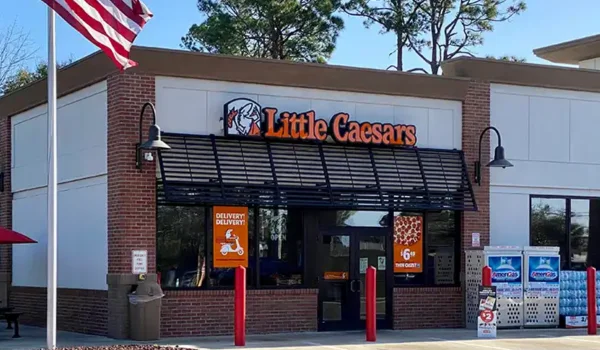
Little Caesars is one of the largest pizza chains in the world. The brand was founded in 1959 by Mike Ilitch and Marian Ilitch in Detroit, Michigan.
The founders started with a small pizza store offering affordable and convenient meals. Over time, the brand expanded rapidly through franchising.
Today, Little Caesars operates thousands of locations worldwide and is known for its famous slogan:
“Hot-N-Ready Pizza.”
The brand’s success comes from its simple business model:
- Fast preparation
- Affordable pricing
- Quick takeout service
Because of this model, Little Caesars has become one of the most recognizable pizza brands globally.
Little Caesars Franchise Cost Overview
Starting a Little Caesars franchise requires a significant investment, but it is generally cheaper than many full-service restaurant franchises.
Total Startup Investment
The estimated total investment required to open a Little Caesars restaurant typically ranges from:
$446,500 to $1,817,200 depending on the location, store size, and construction costs.
This investment includes several key expenses such as equipment, store construction, and initial inventory.
Franchise Fee
To operate under the Little Caesars brand, franchise owners must pay an initial franchise fee of about $20,000.
This fee gives the franchisee the right to:
- Use the Little Caesars brand name
- Access company training programs
- Receive operational support
- Follow the brand’s proven business system
Compared to many restaurant franchises, this franchise fee is relatively affordable.
Financial Requirements
Before approving a new franchise owner, the company requires certain financial qualifications.
Typical requirements include:
- Net worth: about $400,000
- Liquid assets: about $200,000
Liquid assets refer to money that can easily be converted into cash, such as savings or investments.
These requirements ensure franchise owners have enough financial stability to operate the business successfully.
Ongoing Franchise Fees
Owning a franchise involves ongoing payments to the franchisor. These fees help fund brand marketing and corporate support.
Royalty Fee
Little Caesars charges a 6% royalty fee on gross sales.
This fee helps support:
- Corporate operations
- Franchise support services
- System improvements
Marketing Fee
Franchisees must also contribute to marketing funds. The advertising fee is usually around 5–7% of gross sales.
This money supports:
- National advertising campaigns
- Digital marketing
- Brand promotions
These campaigns benefit all franchise owners by attracting customers to the brand.
What Does the Startup Investment Cover?
The total investment for a Little Caesars franchise includes several major costs.
Real Estate and Construction
One of the largest expenses is building or renovating the restaurant location.
Typical store sizes range between 1,400 and 1,800 square feet for traditional locations.
Construction costs vary depending on the property and city.
Equipment and Furniture
Restaurant equipment includes:
- Pizza ovens
- Refrigerators
- Dough mixers
- Food prep stations
- POS systems
These tools are essential for efficient pizza production.
Initial Inventory
New stores must purchase ingredients such as:
- Pizza dough
- Cheese
- Sauce
- Packaging materials
This inventory helps the restaurant operate during the first weeks of business.
Training and Opening Costs
Franchise owners and their staff receive training before opening.
Training usually covers:
- Food preparation
- Restaurant management
- Customer service
- Marketing strategies
Grand opening marketing campaigns are also included in the startup investment
Profit Potential
Many entrepreneurs consider Little Caesars because of its strong revenue potential.
Industry estimates suggest that the average annual sales for a Little Caesars store can reach around $900,000 to $1.1 million.
Profit margins typically range between 10% and 15% depending on operating efficiency.
This means a well-managed location could generate:
$90,000 to $165,000 in annual profit.
However, profitability depends on several factors including:
- Location
- Rent costs
- Employee wages
- Local competition
Types of Little Caesars Franchise Locations
The company offers several store formats depending on the market.
Traditional Restaurants
These are standard standalone stores or locations in shopping centers.
They usually have the highest sales potential.
Non-Traditional Locations
Some franchises operate in places like:
- Airports
- Universities
- Stadiums
- Military bases
These locations benefit from heavy customer traffic.
Express Locations
Smaller versions of the restaurant can operate in limited spaces and offer a reduced menu.
Training and Franchise Support
One major advantage of franchising with Little Caesars is the extensive support provided to franchise owners.
Support services include:
- Site selection assistance
- Restaurant design guidance
- Operational training
- Marketing support
- Supply chain management
The company also provides ongoing consultations to help franchisees improve performance.
How Long It Takes to Open a Store
Opening a Little Caesars franchise usually takes 6 to 18 months from approval to launch.
The timeline depends on factors such as:
- Real estate availability
- Construction timelines
- Local permits and licenses
Advantages of the Little Caesars Franchise
There are several reasons why entrepreneurs choose this franchise.
Strong Brand Recognition
Little Caesars is one of the most famous pizza brands in the world.
Simple Menu
The brand focuses on a limited menu, which simplifies operations.
Affordable Pricing
Low prices attract a large customer base.
Efficient Business Model
The “Hot-N-Ready” concept allows customers to quickly buy pizza without long waiting times.
Challenges of Owning a Pizza Franchise
Although the opportunity can be profitable, there are also challenges.
Competitive Industry
Pizza chains compete with major brands such as:
- Domino’s
- Pizza Hut
Labor Management
Restaurants require hiring and managing multiple employees.
Long Working Hours
Food businesses often require evenings and weekend work.
Is the Little Caesars Franchise a Good Investment?
For many entrepreneurs, Little Caesars represents a strong franchise opportunity.
The brand offers:
- A well-established reputation
- Relatively moderate investment compared to other restaurants
- A proven business model
- Strong customer demand
However, success depends heavily on choosing the right location and managing operations efficiently.
Final Thoughts
The Little Caesars franchise cost ranges from roughly $446,500 to $1.8 million, with a $20,000 franchise fee and ongoing royalties around 6% of sales.
While the investment is significant, the brand’s strong reputation and efficient business model make it an appealing opportunity for entrepreneurs interested in the fast-food industry.
With the right strategy, location, and management skills, a Little Caesars franchise can become a profitable long-term business.
About the Author