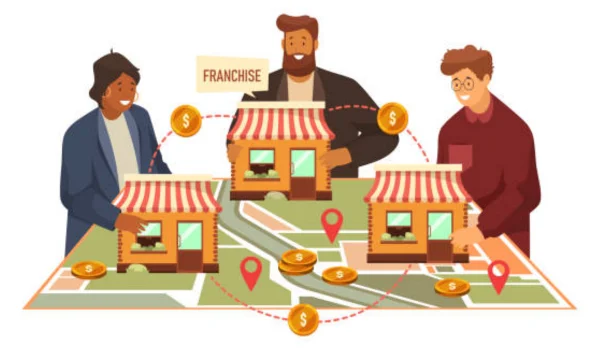
The franchise industry often looks like a safe path into entrepreneurship. A well-known brand, a proven business model, and corporate support can make franchising appear less risky than starting a business from scratch. However, even large and successful restaurant brands sometimes face serious challenges at the local franchise level.
One of the most striking recent examples occurred in Houston, where a major group of Panera Bread franchise locations suddenly collapsed, leaving stores closed, employees without jobs, and millions of dollars in debt.
This situation offers an important lesson for entrepreneurs, investors, and franchise owners about the risks and responsibilities involved in franchising.
In this article, we’ll break down what happened in the Panera franchise collapse in Houston, why it occurred, and what it means for the future of restaurant franchising.
Understanding the Panera Bread Franchise Model
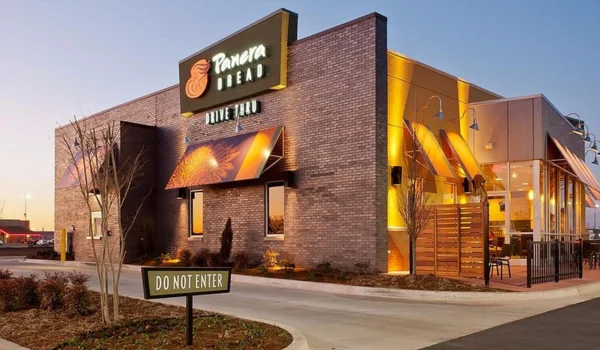
Before examining the Houston collapse, it’s helpful to understand how Panera Bread’s franchise system works.
Panera Bread is one of the largest fast-casual restaurant chains in North America. The company operates more than 2,000 bakery-cafés across the U.S. and Canada, offering products such as:
- Freshly baked bread
- Soups and salads
- Sandwiches
- Coffee and beverages
Many Panera locations are corporate-owned, but a large number are operated by independent franchisees who pay fees to use the brand and follow its operating standards.
Franchisees are responsible for:
- Paying royalty fees
- Maintaining brand standards
- Following food safety requirements
- Paying vendors and landlords
If these obligations are not met, the franchisor can terminate the franchise agreement.
The Houston Franchise Collapse
In 2025, a major franchise operator of Panera locations in the Houston area suddenly collapsed financially.
The operator, EYM Café of Texas LLC, managed about 15 Panera Bread restaurants in the Houston region.
However, a series of financial and legal problems led to the complete shutdown of those locations.
Sudden Store Closures
In August 2025, all of the franchisee’s Houston-area Panera stores abruptly closed.
This meant:
- More than a dozen restaurants shut down
- Hundreds of employees lost their jobs
- Customers were left without nearby locations
Employees reported that closures came with little warning, leaving many uncertain about their final paychecks and employment future.
Bankruptcy Filing
Shortly after the closures, the franchise operator filed for Chapter 11 bankruptcy protection.
Court filings revealed that the company had between $10 million and $50 million in liabilities, while its assets were less than $50,000.
That enormous financial imbalance made it nearly impossible for the company to continue operating.
The bankruptcy filing marked the official collapse of the Houston Panera franchise group.
The Lawsuit That Triggered the Collapse
The situation did not begin with the bankruptcy filing. The collapse was actually the result of a long legal battle between Panera Bread and its franchise operator.
In May 2025, Panera filed a lawsuit against the franchisee, alleging multiple violations of the franchise agreement.
According to court documents, the company accused the franchise operator of:
- Failing to make required royalty payments
- Not paying vendors and landlords
- Violating food safety and sanitation standards
- Continuing to operate locations after franchise rights were terminated
Because of these issues, Panera terminated the franchise agreements earlier in 2025.
However, the franchisee allegedly continued operating several locations despite losing the rights to use the brand.
Court Orders and Forced Closures
The dispute eventually reached federal court.
In June 2025, a judge ordered the franchise operator to stop operating Panera restaurants immediately.
This ruling forced the closure of the Houston-area locations.
Without the ability to operate under the Panera brand, the franchise business quickly collapsed.
Impact on Employees and Communities
The collapse had a significant impact on workers and communities across Houston.
Job Losses
Each restaurant employed around 40 to 60 workers, meaning hundreds of employees were suddenly out of work when the stores closed.
Many employees reported receiving little notice before the shutdown.
Local Business Impact
Panera restaurants often serve as community gathering places, especially in suburban neighborhoods.
With the closures, several communities lost popular lunch and coffee spots.
Locations affected included areas such as:
- Spring
- Cypress
- Tomball
- Katy
- Conroe
- The Woodlands
Why the Franchise Failed
Several factors contributed to the collapse of the Houston Panera franchise.
- Financial Mismanagement
One of the biggest issues was unpaid obligations.
The franchise operator reportedly failed to pay:
- Royalty fees
- Vendors
- Landlords
- Government taxes
These unpaid debts created financial instability that eventually led to bankruptcy.
- Franchise Agreement Violations
Franchising requires strict adherence to brand standards.
Panera alleged that the franchise operator violated rules related to:
- Food safety
- Cleanliness
- operational standards
These violations gave the company legal grounds to terminate the franchise agreement.
- Legal Conflict with the Franchisor
Once Panera terminated the franchise agreements, the franchisee allegedly continued operating locations using the brand name.
This triggered legal action and ultimately forced the closure of the stores.
- Restaurant Industry Challenges
The restaurant industry has faced significant challenges in recent years, including:
- Rising labor costs
- Higher food prices
- Increased competition
- Changing consumer habits
These industry pressures may have contributed to the franchisee’s financial problems.
Lessons for Franchise Investors
The Houston Panera collapse highlights several important lessons for entrepreneurs considering franchise ownership.
Brand Strength Doesn’t Guarantee Success
Even a strong national brand cannot guarantee that every franchise location will succeed.
Local management and financial discipline are essential.
Follow Franchise Agreements Carefully
Franchise contracts include strict rules.
Failure to comply with brand standards or payment obligations can lead to termination.
Financial Planning Is Critical
Restaurant franchises require significant investment.
Operators must carefully manage cash flow, expenses, and debt.
Operational Quality Matters
Food safety and cleanliness are critical in the restaurant industry.
Violations can damage the brand and lead to legal consequences.
What Happens Next for Panera in Houston?
Despite the franchise collapse, Panera Bread itself remains a strong national brand.
The company may choose to:
- Reopen some locations under new franchise owners
- Convert stores to corporate-owned locations
- Expand in other Texas markets
Large restaurant chains often restructure and replace failing franchise operators to maintain their presence in key markets.
The Bigger Picture: Franchise Risks
The Houston Panera collapse shows that franchising is not always risk-free.
While franchising offers benefits such as brand recognition and operational systems, it also involves responsibilities and financial risks.
Franchisees must balance:
- Corporate rules
- Local market conditions
- Financial management
- Operational excellence
When one of these elements fails, even a well-known franchise can collapse.
Final Thoughts
The Panera franchise collapse in Houston serves as a powerful case study in the realities of franchise business ownership.
A group of approximately 15 Panera locations closed after the franchise operator faced lawsuits, financial troubles, and eventual bankruptcy, leaving millions in debt and hundreds of employees without jobs.
For entrepreneurs interested in franchising, this story highlights an important truth: owning a franchise is still running a business, and success depends on strong management, financial discipline, and strict compliance with franchise standards.
Even in a powerful brand like Panera, the success of each location ultimately depends on the people running it.
About the Author