Pizza is one of the most popular foods in the United States, with millions of Americans enjoying a slice daily. Behind every pizza business—from small independent pizzerias to global chains like Domino’s and Papa John’s—is a well-structured business model designed to generate revenue, manage costs, and grow in a highly competitive market.
In this article, we’ll break down the pizza business model, explore how pizza companies make money, and explain the strategies that make the industry profitable and scalable.
What Is a Pizza Business Model?
A pizza business model describes how a company creates value, serves customers, and generates revenue. In the U.S., pizza businesses can operate in various formats:
- Independent pizzerias – locally owned, often family-run
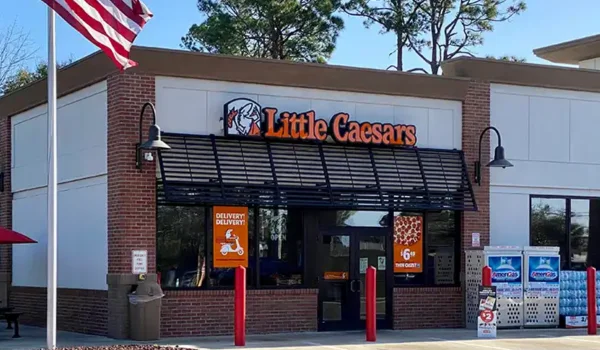
- Franchises – part of national or international brands like Domino’s or Pizza Hut
- Ghost kitchens/delivery-only models – focus solely on online orders and delivery
- Fast-casual chains – emphasizing customization, speed, and quality
Regardless of the format, the core elements of the business model are similar: product creation, service delivery, and revenue generation.
Key Revenue Streams in the Pizza Business Model
Pizza businesses typically make money through multiple revenue streams. Here’s how they work:
- Direct Pizza Sales
The primary revenue driver is, of course, selling pizzas. This includes:
- In-store sales – Customers dine in at restaurants or pizzerias.
- Takeout orders – Customers pick up their pizza from the store.
- Delivery services – Pizzas delivered to homes or offices, often via in-house drivers or third-party apps like Uber Eats and DoorDash.
Pricing strategies often include menu bundling (e.g., pizza + soda + side items), which increases average order value (AOV) and overall revenue.
- Complementary Food and Beverages
Pizza businesses generate additional income by selling side items and beverages, such as:
- Garlic bread, chicken wings, or mozzarella sticks
- Salads and desserts
- Soft drinks, beer, or other beverages (in restaurants with a liquor license)
These items typically have higher profit margins than pizza itself, boosting overall profitability.
- Delivery and Convenience Fees
Many pizza chains charge delivery fees or service charges, especially for online or app-based orders. While often small, these fees contribute to marginal profits and help cover delivery costs.
- Franchise Fees and Royalties
For franchise-based pizza businesses like Domino’s or Papa John’s, a significant portion of revenue comes from:
- Initial franchise fees – Paid when a new franchise is launched
- Ongoing royalties – A percentage of sales paid to the parent company
- Marketing fees – Contributions to national or regional advertising campaigns
Franchising allows pizza brands to expand rapidly without bearing the full cost of new locations while earning steady royalty income.
- Catering and Event Services
Pizza businesses often provide catering for parties, corporate events, or school functions. Large orders increase revenue and improve brand visibility, often at higher margins than individual sales due to bulk preparation efficiency.
- Online and App Orders
Digital ordering is now a major revenue stream, with many chains offering:
- App-exclusive discounts or promotions
- Loyalty programs to encourage repeat orders
- Partnerships with delivery platforms
Online orders often have higher efficiency and lower labor costs, making this channel increasingly profitable.
Cost Structure of a Pizza Business
Understanding costs is key to profitability. The major expenses include:
- Ingredients – Flour, cheese, toppings, sauces, and other raw materials
- Labor – Chefs, delivery drivers, and support staff
- Rent and Utilities – Especially significant for dine-in or high-traffic locations
- Marketing and Advertising – Promotions, digital ads, and local campaigns
- Equipment – Ovens, refrigeration units, and delivery vehicles
- Franchise Fees (if applicable) – Royalties and marketing contributions
Maintaining a balance between high-quality ingredients and operational efficiency is crucial for maximizing profit margins.
Profitability Drivers in the Pizza Industry
Several factors contribute to the profitability of a pizza business:
- High Volume, Low Margin Model
- Pizza businesses often rely on selling large volumes at moderate prices. High sales volume compensates for relatively thin profit margins per unit.
- Upselling and Cross-Selling
- Adding sides, drinks, or premium toppings increases average order value.
- Operational Efficiency
- Standardized preparation methods, inventory management, and delivery route optimization reduce costs and improve margins.
- Brand Loyalty and Repeat Customers
- Loyalty programs, personalized promotions, and consistent quality drive repeat orders, lowering customer acquisition costs.
- Franchise Leverage
- Franchisees pay for expansion, reducing capital requirements for the parent company while generating royalty income.
Trends Impacting the Pizza Business Model in the USA
- Delivery-First and Ghost Kitchens
- The rise of delivery apps has made delivery-only pizza kitchens viable, reducing real estate costs.
- Customizable and Health-Conscious Options
- Consumers increasingly demand gluten-free crusts, vegan cheese, and organic toppings.
- Digital Marketing and Online Ordering
- Pizza brands leveraging apps, social media, and SEO are seeing higher sales and customer engagement.
- Sustainability Practices
- Eco-friendly packaging, reduced food waste, and energy-efficient operations resonate with U.S. customers and can reduce costs long-term.
Challenges in the Pizza Business Model
- High Competition: Independent pizzerias compete with national chains.
- Rising Ingredient Costs: Cheese, flour, and meat prices can fluctuate.
- Labor Shortages: Skilled cooks and delivery drivers are in high demand.
- Delivery Logistics: Maintaining pizza quality during delivery is essential.
Despite these challenges, a well-executed pizza business can thrive due to consistent demand, repeat customers, and scalable operations.
Conclusion
The pizza business model in the U.S. is a well-oiled system built around high-volume sales, diversified revenue streams, and operational efficiency. Companies make money through pizza sales, side items, beverages, delivery fees, catering, and franchise royalties, while leveraging digital tools, loyalty programs, and marketing to grow their customer base.
For entrepreneurs and investors, the pizza industry offers a scalable, resilient, and profitable business opportunity when executed with attention to quality, customer service, and operational excellence.
About the Author