Subway is one of the most widely recognized quick-service restaurant (QSR) brands in the world, known for its made-to-order sandwiches and healthier fast-food positioning. For decades, it has offered one of the most affordable franchise opportunities among major food chains, attracting entrepreneurs who want to own a restaurant without the multi-hundred-thousand-dollar startup costs typical of competitors like McDonald’s or Burger King. However, franchise ownership in 2025–2026 demands careful planning, thorough understanding of costs, ongoing fees, eligibility criteria, and realistic expectations on profit and workload.
This guide breaks all of that down in clear, plain language and helps you understand what it really takes to become a Subway franchisee in the United States.
What Is a Subway Franchise?
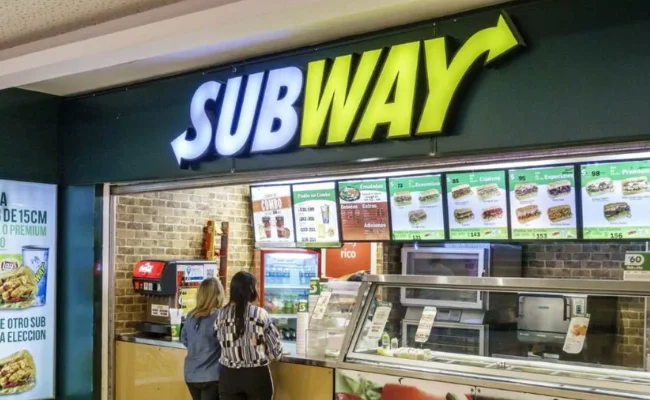
A Subway franchise means you own and operate a Subway restaurant under the Subway brand and operating system. You pay Subway for the right to use its trademarks, recipes, systems, and support — and in return you run the day-to-day business and keep the profits after expenses. Subway franchises are part of one of the largest restaurant systems in the world, with thousands of locations globally.
Unlike brands like Starbucks (which uses licensing instead of franchising), Subway offers traditional franchise opportunities where individuals can own single or multi-unit businesses.
Total Investment & Startup Cost
Every Subway franchisee must consider the total upfront investment required before opening.
📌 Initial Franchise Fee
- Franchise Fee: $15,000 per location
This is the standard upfront payment you make to Subway for the right to use their brand, systems, and training.
📌 Total Initial Investment
According to the most recent Franchise Disclosure Documents (FDD) and industry estimates, the total initial investment ranges widely depending on the real estate, construction needs, equipment and leasehold improvements:
- Traditional Restaurant Investment: approximately $263,000 – $630,000+
- Non-Traditional Location Investment: approximately $227,000 – $458,000+
These are estimates and can vary significantly based on city, real estate costs, remodel requirements, and whether you build new or convert an existing space.
Other sources place the investment range from about $100,050 to $342,400 for standard setups, with variations depending on size, non-traditional options, and remodel complexity.
💡 What’s Included in Costs
Your total investment generally covers:
- Leasehold improvements and construction
- Equipment (sandwich prep tables, refrigeration, POS systems)
- Signage and décor
- Opening inventory
- Insurance and licenses
- Professional services (legal, accounting)
- Initial marketing and grand opening expenses
- Additional reserves for the first few months of operation
Subway’s relatively low startup cost compared to other food franchises is part of what has made it attractive to first-time investors and small operators.
Ongoing Fees & Royalty Structure
Once your Subway location is open, you’ll pay ongoing fees to Subway. These are critical to calculate because they significantly affect your net profits.
📍 Ongoing Royalty Fee
- Royalty Fee: 8% of gross weekly sales
This is the fee you pay Subway for continued use of the brand and support.
📍 Advertising & Marketing Fee
- Advertising Fee: 4.5% of gross weekly sales
This contributes to national and brand marketing campaigns.
Together, these fees equal 12.5% of gross sales in typical Subway franchise agreements — a material ongoing expense that must be included in financial planning.
💡 Additional Ongoing Costs
- Rent or lease payments: varies widely by location
- Employee wages and benefits
- Food cost of goods sold (COGS)
- Utilities, insurance, maintenance
These must be managed effectively to run a profitable store.
Profit Potential & Revenue Expectations
Unlike some franchises where earnings projections are published in the FDD, Subway does not disclose specific earnings for individual locations, so you must work with broad industry estimates and real owner feedback.
🔎 Estimated Sales & Margins (Industry Insight)
According to independent franchise analysis:
- Annual sales for Subway locations often fall in the mid-$300,000 to $500,000 range, depending on location, foot traffic, and management quality.
- Profit margins after accounting for food costs, labor, overhead, and fees typically fall in the 15–25% range for well-run stores — but this varies widely.
- Many franchisees aim to break even or reach positive cash flow within 18–36 months, assuming disciplined cost control and good sales.
💡 Multi-Unit Scaling
Many Subway franchisees own multiple units, which tends to improve total profitability as overhead and management systems scale. According to some industry sources, multi-unit owners can command higher overall returns as costs like training, hiring, and supply management can be centralized.
Eligibility & Requirements
Before becoming a Subway franchise owner, you must meet specific financial and personal criteria.
📊 Financial Requirements
- Minimum Net Worth: At least $150,000
- Liquid (Cash) Capital: At least $100,000 per location
These figures are typical minimums, though they can be higher depending on territory and market strength.
Some disclosure summaries show even broader ranges such as net worth between $80,000 and $310,000 and liquid cash between $30,000 and $90,000, but the conservative planning approach is to exceed the higher thresholds to strengthen your application and financing prospects.
📌 Non-Financial Requirements
- Business experience: preferred, especially in food service or retail
- Active involvement: many Subway owners operate in a semi-absentee or active manager role
- Commitment to training: attend Subway’s training programs to prepare for launch
Subway historically offers multi-unit development opportunities as well, so strong candidates may be invited to build multiple restaurants.
Why Entrepreneurs Choose (— or Avoid) Subway
Like any franchise, Subway has strengths and challenges you should weigh carefully.
👍 Advantages of a Subway Franchise
✔ One of the lowest startup costs in the fast-food sector compared to QSR giants like McDonald’s or Wendy’s.
✔ Strong global brand recognition with loyal repeat customers.
✔ Proven operational support from franchisor including site selection, training, and marketing.
✔ Flexibility to operate regular or non-traditional locations (malls, travel plazas, airports).
✔ Semi-absentee ownership possible with the right team.
👎 Challenges & Considerations
🔹 No exclusive territories — Subway may open other stores nearby, meaning internal competition.
🔹 Ongoing fees (12.5%) eat into profit margins.
🔹 Labor costs and employee turnover are consistent industry challenges.
🔹 Sales decline concerns: Some franchisees report sales stagnation in saturated markets, so location choice is critical. [community feedback]
🔹 Marketplace competition with other fast-casual chains like Chipotle, Panera, and newer sandwich concepts.
Step-by-Step How to Start
Here’s a practical roadmap to opening your Subway franchise:
- Initial Research & Self-Assessment – Evaluate your finances and goals.
- Submit Franchise Application – Fill out Subway’s official form.
- Meet with a Development Agent – Franchise rep reviews your qualifications.
- Review Franchise Disclosure Document (FDD) – This legally required document details costs, terms, and risks.
- Secure Financing – Explore bank loans or third-party financing; prepare proof of funds.
- Site Selection & Lease Negotiation – Work with Subway’s real estate team.
- Train & Prepare Opening – Attend Subway’s training and plan your staffing.
- Grand Opening & Launch – Execute with marketing support from Subway.
Final Thoughts
Subway offers one of the most accessible franchise opportunities in fast food — especially for first-time entrepreneurs and small investors — thanks to its relatively low startup cost, strong brand identity, and flexible formats. However, ongoing royalties and the competitive market mean success is not guaranteed, and careful planning, disciplined operations, and strategic location selection are crucial.
Before signing any agreement, review the current Franchise Disclosure Document (FDD), talk with existing Subway franchise owners, and consult financial and legal professionals. A Subway franchise can be a rewarding business, but like any investment, it carries risks and responsibilities that must be understood fully.
About the Author