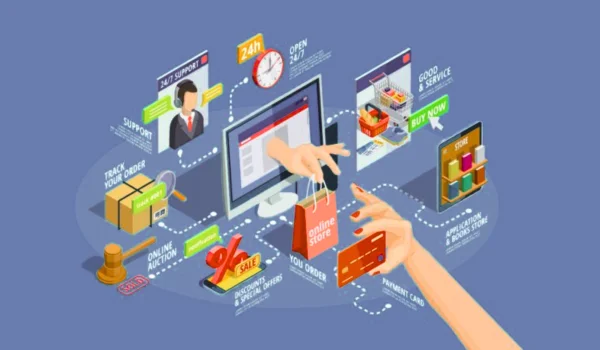
The rise of e-commerce has reshaped the American retail landscape, and even strong, well-established brands have had to rethink how they operate. Target Corporation, one of the largest big-box retailers in the United States, is a perfect example of how intense online competition can transform a traditional retail business model.
Once known mainly for its stylish physical stores and affordable private-label products, Target today operates as an omnichannel retailer, blending physical and digital experiences. This shift didn’t happen by choice alone—it was driven by aggressive e-commerce competition, especially from Amazon, Walmart, and fast-growing digital-native brands.
In this article, we’ll explore how e-commerce competition has impacted Target’s business model, how the company adapted, and what lessons other businesses can learn from Target’s transformation.
Understanding Target’s Original Business Model
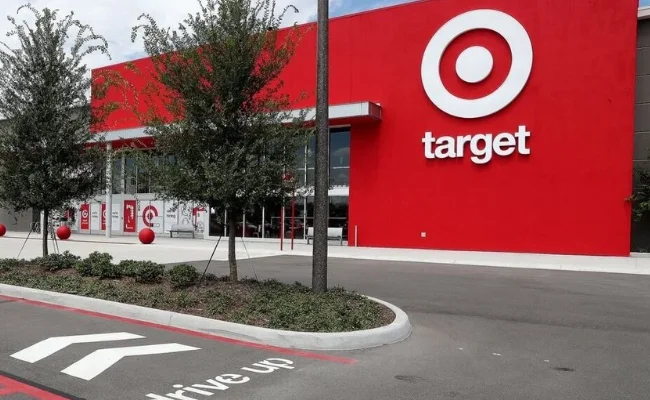
Historically, Target followed a brick-and-mortar retail model focused on:
- Large-format physical stores
- Private-label brands like Up & Up, Good & Gather, and Cat & Jack
- Competitive pricing with a “cheap but chic” brand image
- High foot traffic and impulse purchases
Revenue primarily came from in-store sales, and stores were designed to be destinations where customers could browse, discover, and buy multiple categories in one visit.
This model worked well—until e-commerce began changing consumer behavior.
The Rise of E-Commerce Competition in the U.S.
The U.S. e-commerce market exploded due to several factors:
- Amazon’s fast and reliable delivery
- Mobile shopping convenience
- Transparent price comparison
- On-demand consumer expectations
Consumers began prioritizing:
- Speed over store experience
- Convenience over browsing
- Home delivery over physical visits
Retailers like Target suddenly found themselves competing not just with nearby stores—but with every online seller in the country.
Amazon and Walmart: Target’s Biggest E-Commerce Rivals
Amazon’s Impact
Amazon set new standards for:
- Fast shipping (Prime)
- Massive product selection
- Personalized recommendations
- Subscription-driven loyalty
This forced Target to rethink:
- Delivery speed
- Inventory availability
- Digital user experience
Walmart’s Digital Push
Walmart combined:
- Low prices
- A massive store network
- Aggressive online investments
Walmart became a direct omnichannel competitor, pushing Target to differentiate rather than compete on price alone.
How E-Commerce Competition Changed Target’s Business Model
Instead of abandoning its physical roots, Target re-engineered its entire business model to compete digitally.
- Shift to an Omnichannel Model
Target embraced an omnichannel strategy, where physical stores and digital platforms work together seamlessly.
Key elements include:
- Buy Online, Pick Up In Store (BOPIS)
- Drive Up curbside pickup
- Same-day delivery via Shipt
- In-store fulfillment for online orders
Stores became:
👉 Mini distribution centers, not just shopping locations.
This reduced delivery costs and sped up order fulfillment.
- Investment in Digital Infrastructure
To compete with pure e-commerce players, Target invested heavily in:
- Website and app performance
- Inventory visibility across stores
- Data analytics and personalization
- Mobile-first shopping experience
E-commerce competition forced Target to treat technology as a core business function, not a support tool.
- Private Labels as a Competitive Advantage
Unlike Amazon’s vast third-party marketplace, Target leaned into exclusive private brands.
Why this matters:
- Higher margins
- Brand differentiation
- Reduced price comparison pressure
Target used data from online shopping behavior to:
- Launch new private labels
- Optimize product categories
- Adjust pricing strategies
Private brands became a defensive moat against online competitors.
- Fulfillment and Logistics Evolution
E-commerce competition exposed one of retail’s biggest weaknesses: last-mile delivery costs.
Target responded by:
- Using stores as fulfillment hubs
- Reducing reliance on external warehouses
- Speeding up same-day delivery
- Lowering shipping costs
This hybrid logistics model helped Target compete with Amazon without matching Amazon’s infrastructure spending.
- Subscription and Loyalty Enhancements
To fight Amazon Prime’s lock-in effect, Target expanded its own loyalty ecosystem.
Key initiatives:
- Target Circle rewards
- Personalized deals
- App-exclusive discounts
- RedCard benefits
Rather than charging a subscription fee, Target focused on value-driven loyalty, appealing to cost-conscious shoppers.
Impact of E-Commerce Competition on Target’s Revenue Mix
Before intense online competition:
- Majority of revenue came from in-store sales
Today:
- Digital sales account for a significant and growing share
- Same-day services drive higher engagement
- Customers interact with Target across multiple channels
Importantly:
👉 Customers who use both online and in-store services spend more per year than single-channel shoppers.
Challenges Created by E-Commerce Competition
While adaptation helped Target survive, competition also introduced challenges:
- Margin Pressure
Online fulfillment is expensive:
- Shipping
- Returns
- Packaging
Margins are often lower than in-store sales.
- Inventory Complexity
Managing inventory across:
- Warehouses
- Stores
- Online channels
Requires advanced systems and forecasting accuracy.
- Rising Customer Expectations
Fast shipping, easy returns, and real-time tracking are now basic expectations, not premium features.
Why Target’s Model Still Works
Despite pressure, Target remains competitive because:
- It doesn’t try to out-Amazon Amazon
- It leverages physical assets creatively
- It differentiates through design and private brands
- It offers flexibility in how customers shop
Target transformed competition into an innovation catalyst, not a threat.
Lessons for Other Businesses
- Competition forces evolution—resistance leads to decline
- Physical assets can become digital advantages
- Omnichannel beats online-only or offline-only
- Brand differentiation matters more in crowded markets
- Customer convenience must drive strategy
Final Thoughts
The impact of e-commerce competition on Target’s business model is a powerful case study in modern retail adaptation. Instead of being disrupted, Target chose to reinvent itself, blending physical retail strengths with digital efficiency.
Target’s journey shows that survival in the digital age isn’t about choosing between online and offline—it’s about connecting them intelligently.
👉 Target doesn’t just sell products—it sells choice, flexibility, and convenience.
For U.S. retailers and global businesses alike, Target proves that competition isn’t the end of a business model—it’s often the beginning of a better one.
About the Author