If you’re evaluating low-cost, service-oriented franchise or dealer opportunities that bundle remittance, bills payment, ticketing and e-loading, Unified Products & Services (often abbreviated UPS — not to be confused with the courier UPS) is a name you’ll encounter — particularly in the Philippines and among online dealer communities. This review breaks down what the business actually offers, typical franchise/dealer packages and costs you’ll see advertised, the business model, potential upside, and important red flags to consider — all written from a U.S. franchise-investor point of view. (All web-sourced facts below are current as of Dec 11, 2025.)
Quick Summary
- What it is: A multi-service platform that sells dealership packages and local-hub franchises for services like bills payment, remittance, ticketing, e-loading, courier/shipping and travel booking.
- Typical entry cost (advertised): Very low home-dealer packages advertised around PHP 7,998–PHP 14,998 (~USD $130–$250) for online/home packages; local hub franchise packages are marketed in the PHP ~599,000 range (approx USD $10k–$11k). These are the price points visible on company pages, partner blogs and local hub listings.
- Business model: Platform + dealer/franchise distribution, mixing digital “home dealer” memberships with brick-and-mortar hub packages; some public materials describe a multilevel marketing or network distribution element.
- Main cautions: Mixed online reviews, MLM-style language in promotions, and limited transparent FDD-style disclosures for U.S. investors. If you’re a U.S. investor looking for a traditional U.S. franchise, treat this like an international dealer/partner opportunity and do extra due diligence.
What exactly does Unified Products & Services sell?
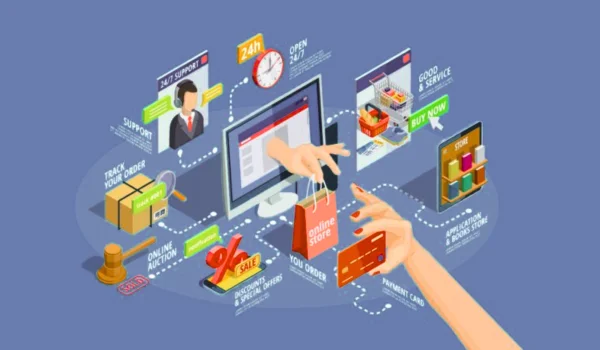
Unified markets itself as an “all-in-one” tech platform for convenience services: bills payment, remittance, ticketing (airline/reservations), e-loading (mobile top-ups), insurance/partnered hotel bookings, courier/shipping and payment/cash-in/out features. They sell both home-based dealer packages (online access to services) and physical “hub” franchise packages that include signage, system access and other startup inclusions. The company’s own pages emphasize empowering “dealers” and local merchant partners.
Typical package & cost evidence

Below are the most commonly advertised package prices and what they reportedly include. These listings are from company pages, partner blogs and franchise announcements — treat them as advertised pricing, not audited franchise disclosure figures.
- Home-based / Online Dealer Packages: Advertised entry-level packages from PHP 7,998 to PHP 14,998 that promise access to the e-cash/system for bills, loading and limited services. These packages are pitched as a low-barrier way to “start” as a dealer.
- Local Hub Franchise (physical outlet): Several posts and local hub announcements list a “Hub” package around PHP 599,000 (breakdown sometimes shown as franchise fee PHP 250,000 + system fee PHP 150,000 + VAT/security deposit/processing, etc., totalling ~PHP 614k but marketed at PHP 599k promo). That equates roughly to ~USD $10k–$11k depending on exchange rates — a relatively low capex for a brick-and-mortar payments hub.
Important: I could not find a standard U.S. Franchise Disclosure Document (FDD) or U.S. franchising registration materials — most material is Philippines-facing, on local pages and social channels. If you’re a U.S. investor, that difference is critical.
How the money is supposed to be made (revenue streams)
Unified dealers/hubs typically generate income from a combination of:
- Service commissions (e.g., booking fees, remittance handling, bills payment commissions).
- Transaction fees or margins on e-loading and airtime top-ups.
- Cross-sales (travel bookings, insurance referrals, courier services).
- Added value services such as physical payment center handling or last-mile courier pick-up for local hubs.
Revenue depends heavily on local transaction volume (customer footfall for a hub) and the specific commission schedule — neither of which is publicly standardized across listings.
Pros (from a franchise/investor lens)
- Low advertised entry points for home-based packages — accessible to low-capital entrepreneurs.
- All-in-one service stack — bundling payments, remittance and ticketing can increase per-customer revenue and stickiness.
- Existing digital platform and mobile app — the company lists a working app and active users/transactions on its site. That reduces time-to-market versus building systems yourself.
Cons & red flags (what makes me cautious)
- Regional focus & regulatory environment: Most public materials and package ads are Philippines-oriented; I could not find robust U.S. franchise registration or FDD materials. That means regulatory, payment-network and compliance risks if you plan to operate in the U.S. or with U.S. dollars.
- MLM / network marketing language: Several slides and presentations describe network/partner compensation structures and leadership development, which suggests the company uses elements of multi-level or network distribution in addition to pure franchising. That’s legal in many places but requires careful scrutiny because it alters how revenue and recruitment interact.
- Mixed online reviews & management comments: Employee/franchisee reviews are mixed; some cite good earnings potential, others cite management and operational concerns. Always interview multiple existing dealers and ask for real P&L statements.
- Lack of standardized disclosures for U.S. investors: If you’re looking for a U.S. franchise with FDD transparency and U.S. regulatory oversight, this opportunity — as publicly presented — may not meet that expectation.
Due diligence checklist (what to ask & verify before committing)
If you’re seriously considering a Unified dealer or hub package, here’s what to demand and verify:
- Official agreement / FDD (if offered in the U.S.) — get a legal review. If no FDD exists, request a full services agreement and itemized inclusions.
- Commission schedule and sample P&L — ask for at least three 12-month P&Ls from existing hubs in markets similar to yours.
- Customer acquisition & retention metrics — average daily transactions, ticket size, peak vs off-peak patterns.
- Regulatory compliance — money-transmission licenses, anti-money-laundering (AML) policies, know-your-customer (KYC) processes in the jurisdiction where you’ll operate.
- Technical SLA & uptime — what happens when the system is down and how are disputes/refunds handled?
- Interview current dealers — ask about realistic earnings, startup surprises, and support quality.
Who is this suitable for?
- Entrepreneurs in the Philippines or similar markets who want a low-cost way to operate a multi-service payments hub.
- Low-capex small business owners who can drive transaction volume (busy storefronts or kiosks).
Not ideal for: U.S. investors expecting a typical FDD-regulated U.S. franchise model without extra compliance work and legal review. If you plan to operate in the United States, you will need to confirm if Unified has U.S. licensing, banking partnerships, and compliance to operate there — I did not find evidence of established U.S. operations in the public materials.
Bottom line (expert takeaway)
Unified Products & Services appears to be a legitimate, low-cost dealer/franchise system heavily marketed in the Philippines that bundles a useful set of digital financial services. It is attractive for low-cost entry and localized hubs, but not a plug-and-play U.S. franchising opportunity based on the public materials I found. If you’re a U.S. investor, treat this as an international partner/dealer opportunity requiring specialized due diligence (licenses, AML, banking relationships, and clear revenue validation). If you’re in Southeast Asia, the advertised prices and the multi-service model could make sense — but proceed only after verifying commissions and talking to current outlets.
About the Author