The gaming and live streaming industries are undergoing a major transformation with the rise of Augmented Reality (AR) and Virtual Reality (VR) technologies. While traditional game streaming has already become a multi-billion-dollar industry, AR/VR gaming live stream startups are redefining how audiences interact with games, creators, and digital worlds.
In the United States, this emerging sector blends gaming, immersive technology, social interaction, and creator economy monetization into entirely new business models. This article explores key innovations, startup opportunities, and business models shaping the AR/VR gaming live stream ecosystem.
Understanding AR/VR Gaming Live Streaming
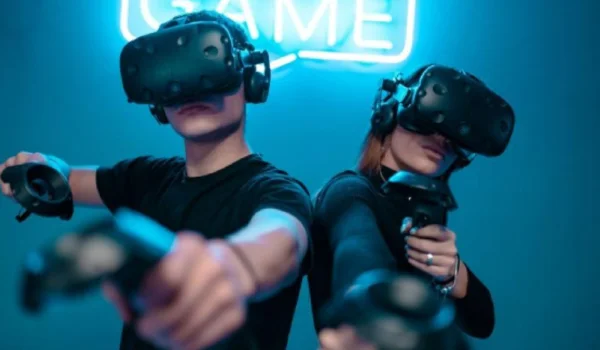
AR/VR gaming live streaming goes beyond watching gameplay on a flat screen. It allows viewers to:
- Enter immersive virtual environments
- Interact with streamers in real time
- Influence gameplay decisions
- Experience games from a first-person or mixed-reality perspective
AR gaming overlays digital elements onto the real world, while VR gaming creates fully immersive digital environments. When combined with live streaming, these technologies create a deeply engaging form of entertainment.
Why AR/VR Live Streaming Is a Startup Opportunity
Several factors make AR/VR gaming live streaming attractive for startups:
- Advancing VR hardware (lighter headsets, better resolution)
- Faster internet and 5G connectivity
- Growing acceptance of digital avatars and virtual identities
- Rising creator economy and virtual influencers
- Demand for interactive, social entertainment
In the U.S., investors see AR/VR as the next evolution of gaming and streaming, not just a niche technology.
Key Innovations Driving AR/VR Gaming Live Stream Startups
- Immersive Viewer Participation
Unlike traditional streams, AR/VR platforms allow viewers to:
- Join virtual lobbies
- Appear as avatars
- Vote on in-game actions
- Trigger events or challenges
This participation-based innovation increases engagement time and monetization potential.
- Mixed Reality Streaming
Mixed reality combines real-world footage with virtual environments.
Examples:
- Streamers appearing inside the game world
- Real-time motion capture
- Virtual sets and props reacting to gameplay
This creates cinematic and shareable content that attracts audiences beyond hardcore gamers.
- AI-Driven Avatars and Hosts
Startups are experimenting with:
- AI-powered streamer avatars
- Virtual co-hosts
- Automated moderation in VR spaces
These innovations reduce creator burnout and allow 24/7 streaming experiences.
- Spatial Audio and Presence
Spatial audio makes users feel physically present in a virtual space.
Benefits:
- Natural conversations
- Stronger social bonding
- Event-like experiences
This innovation blurs the line between gaming, concerts, and social media.
- Virtual Arenas and Live Events
AR/VR startups are creating:
- Virtual esports stadiums
- Live tournaments with VR spectators
- Interactive fan zones
These experiences open new revenue streams similar to ticketed events.
Core Business Models for AR/VR Gaming Live Stream Startups
Successful startups combine multiple revenue models rather than relying on ads alone.
- Subscription-Based Access
Users pay a monthly fee for:
- Premium VR streams
- Exclusive events
- Enhanced avatar customization
- Ad-free experiences
Subscriptions provide predictable recurring revenue.
- Creator Revenue Sharing Model
Platforms earn by sharing revenue with streamers.
Income sources include:
- Virtual gifts and tips
- Paid interactions
- Exclusive creator experiences
This model attracts top creators and builds platform loyalty.
- Virtual Goods and Digital Assets
One of the most powerful business models involves virtual economies.
Examples:
- Avatar skins
- Emotes
- Virtual weapons or accessories
- AR effects
These digital items have high margins and scalability.
- Event-Based Monetization
AR/VR live stream startups host:
- Pay-per-view tournaments
- Virtual meet-and-greets
- Sponsored events
This model mirrors real-world entertainment economics in digital form.
- Brand Partnerships and Advertising
Brands integrate into virtual worlds through:
- AR product placements
- Sponsored environments
- Interactive brand experiences
This is more engaging than traditional banner ads.
- Platform-as-a-Service (PaaS)
Some startups license their technology to:
- Game studios
- Media companies
- Educational institutions
This B2B model provides stable enterprise revenue.
Cost Structure of AR/VR Live Stream Startups
Understanding costs is essential for sustainability.
Major Costs Include:
- Platform development and maintenance
- Cloud computing and streaming infrastructure
- Content moderation and safety
- Creator onboarding and incentives
- Hardware testing and optimization
- R&D for immersive features
Early-stage startups must balance innovation with cost efficiency.
Challenges Facing AR/VR Gaming Live Stream Startups
Despite excitement, challenges remain:
- High hardware adoption barriers
- Motion sickness and comfort issues
- Content moderation in immersive spaces
- Technical complexity and latency
- User education and onboarding
Startups that simplify access and improve comfort gain competitive advantage.
Competitive Advantage in This Space
Winning AR/VR live stream startups focus on:
- Low-friction user experiences
- Strong creator ecosystems
- Cross-platform compatibility
- Community-driven features
- Scalable virtual economies
User-generated content and social interaction are key growth drivers.
Future Trends in AR/VR Gaming Live Streaming
The next decade will bring major changes:
- Web-based AR/VR streaming
- AI-generated immersive worlds
- Interoperable avatars across platforms
- Deeper integration with esports
- Virtual reality becoming mainstream social media
As hardware becomes more affordable, mass adoption will accelerate.
Opportunities for New Startups
Promising startup ideas include:
- AR spectator tools for mobile users
- VR-first esports platforms
- Creator-focused mixed reality studios
- Virtual event platforms for gaming communities
- Family-friendly AR gaming spaces
Niche focus often leads to faster traction.
Final Thoughts
The AR/VR gaming live stream startup innovations and business models represent the future of digital entertainment. This space blends gaming, social interaction, live events, and virtual economies into a powerful new industry.
For entrepreneurs, the opportunity lies not just in technology—but in designing experiences that make people feel present, connected, and engaged. Startups that balance innovation, usability, and sustainable monetization will shape the next era of immersive entertainment.
About the Author