Buckle Inc. is one of the most recognizable specialty apparel retailers in the United States. Known for premium denim, casual wear, and a strong in-store shopping experience, Buckle has built a business model that has allowed it to survive—and often outperform—many competitors in the volatile retail fashion industry.
In this guide, we break down the Buckle business model, explain how the company generates revenue, manages costs, builds customer loyalty, and maintains profitability in a highly competitive market.
Overview of Buckle Inc.
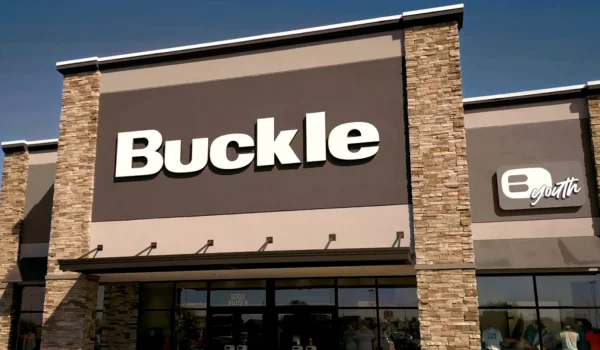
Buckle Inc. is a U.S.-based specialty retailer primarily focused on:
- Denim
- Casual apparel
- Footwear
- Accessories
The company operates hundreds of brick-and-mortar stores across the United States and also sells through its e-commerce platform. Unlike many fast-fashion brands, Buckle positions itself as a premium casual lifestyle retailer rather than a low-cost apparel seller.
Core Value Proposition of Buckle
At the heart of the Buckle business model is a clear value proposition:
High-quality fashion, personalized service, and premium brands—without racing to the bottom on price.
Key elements of Buckle’s value proposition include:
- Premium denim selection
- Well-known and private-label brands
- Strong customer service
- Personalized styling and fit assistance
- A consistent in-store experience
This positioning allows Buckle to charge higher prices while building long-term customer loyalty.
Buckle’s Retail-Centric Business Model
- Brick-and-Mortar First Strategy
Unlike many modern retailers that aggressively shift online, Buckle has maintained a store-first strategy.
Why it works:
- Denim fitting requires physical try-ons
- Personalized service builds trust
- Stores act as brand showrooms
Buckle stores are typically located in:
- Shopping malls
- Lifestyle centers
- Regional retail hubs
Each store operates with strong local autonomy, allowing staff to understand local fashion preferences.
- E-Commerce as a Support Channel
Buckle operates an online store that complements physical locations rather than replacing them.
E-commerce role in the model:
- Extends product availability
- Serves customers without nearby stores
- Supports omnichannel shopping (buy online, return in-store)
This balanced approach avoids the high return rates often seen in online-only apparel retailers.
Product Strategy: The Denim-Driven Model
Denim is the foundation of Buckle’s business.
Key Denim Focus Areas
- Premium jeans for men and women
- Multiple fits, washes, and sizes
- Trusted brands and private labels
By specializing in denim, Buckle becomes a destination retailer rather than a general clothing store.
Private Label Advantage
Buckle develops and sells private-label brands alongside national brands.
Benefits of private labels:
- Higher profit margins
- Better inventory control
- Exclusive designs
- Reduced price competition
Private-label products are a major contributor to Buckle’s strong gross margins.
Revenue Streams in the Buckle Business Model
Buckle’s revenue comes primarily from direct retail sales, but it is diversified across categories.
- Apparel Sales (Primary Revenue)
- Denim accounts for a large share of revenue
- Shirts, jackets, and tops complement denim sales
This cross-selling increases average transaction value.
- Footwear and Accessories
Footwear and accessories are high-margin add-ons.
Examples include:
- Shoes and boots
- Belts
- Bags
- Jewelry
These products boost profitability without significantly increasing operating costs.
- Private Label Revenue
Private-label items generate higher gross margins than third-party brands, improving overall profitability.
Pricing Strategy: Premium but Not Luxury
Buckle follows a premium pricing strategy, positioned between fast fashion and luxury brands.
- Prices reflect quality and fit
- Less reliance on deep discounting
- Seasonal promotions instead of constant sales
This protects brand perception and margins.
Customer Experience as a Growth Driver
One of Buckle’s strongest differentiators is customer service.
In-Store Experience
- Personalized styling advice
- Fit consultations
- Relationship-based selling
Sales associates are trained to build long-term customer relationships rather than push quick sales.
Loyalty and Repeat Business
Buckle relies heavily on:
- Repeat customers
- Word-of-mouth referrals
- In-store relationships
This reduces marketing spend and increases customer lifetime value.
Cost Structure of Buckle Inc.
Buckle’s cost structure is optimized for retail efficiency.
Major Costs Include:
- Merchandise procurement
- Store leases
- Employee wages
- Logistics and distribution
- Technology and e-commerce infrastructure
Because Buckle owns its distribution network and keeps inventory tightly managed, it avoids many inefficiencies faced by competitors.
Profitability and Financial Discipline
One reason Buckle stands out in U.S. retail is its financial discipline.
Key traits:
- Strong cash position
- Low or no long-term debt
- Conservative expansion strategy
- Focus on profitable stores only
This discipline allows Buckle to weather economic downturns better than highly leveraged competitors.
Competitive Advantages of the Buckle Business Model
Buckle’s model offers several sustainable advantages:
- Denim Expertise – Deep specialization builds authority
- Private Labels – Higher margins and exclusivity
- Customer Relationships – High repeat purchase rates
- Balanced Omnichannel Approach – Lower operational risk
- Operational Efficiency – Controlled inventory and costs
Challenges in Buckle’s Business Model
Despite its strengths, Buckle faces challenges:
- Declining mall foot traffic
- Changing fashion trends
- Competition from online retailers
- Younger consumers favoring fast fashion
Buckle responds by refreshing styles, investing in digital tools, and maintaining strong customer engagement.
Future Outlook of the Buckle Business Model
Looking ahead, Buckle’s business model is evolving toward:
- Enhanced digital personalization
- Data-driven inventory planning
- Continued private-label expansion
- Improved omnichannel experiences
- Focus on core customers rather than mass-market expansion
The company’s conservative growth strategy prioritizes profitability over rapid expansion.
Final Thoughts
The Buckle business model proves that brick-and-mortar retail can still succeed in the digital age—if done right. By focusing on premium denim, personalized service, private-label products, and financial discipline, Buckle has created a resilient and profitable retail model.
For business owners and entrepreneurs, Buckle offers a valuable lesson: clarity of focus, customer relationships, and disciplined execution often outperform aggressive growth and discount-driven strategies.
About the Author