In the modern digital economy, some of the world’s most successful companies operate using the marketplace business model. Instead of producing products themselves, these companies create platforms where buyers and sellers can connect and complete transactions.
This model has transformed industries such as transportation, retail, hospitality, and freelance services. Businesses using marketplace platforms often grow faster than traditional companies because they focus on facilitating transactions rather than owning inventory.
In this article, we’ll explore what the marketplace business model is, how it works, its advantages, real-world examples, and why so many entrepreneurs are building marketplace platforms today.
What Is a Marketplace Business Model?
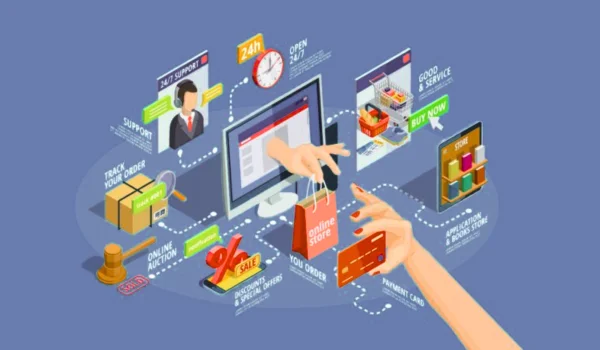
A marketplace business model is a platform-based system where a company connects two or more groups—typically buyers and sellers—and facilitates transactions between them.
The platform itself usually does not own the goods or services being sold. Instead, it provides the infrastructure, technology, and trust system that allows transactions to occur smoothly.
Some of the most well-known marketplace companies include:
- Amazon
- eBay
- Airbnb
- Uber
- Etsy
Each of these companies connects different types of users but follows the same core marketplace concept.
How the Marketplace Model Works
At its core, a marketplace has three main components:
- Sellers or Service Providers
These are the individuals or businesses that offer products or services on the platform.
Examples include:
- merchants selling products on Amazon
- drivers offering rides through Uber
- homeowners renting rooms on Airbnb
Sellers join the platform because it provides access to a large customer base.
- Buyers or Customers
Buyers visit the platform to find products or services.
For example:
- shoppers buying handmade goods on Etsy
- travelers booking homes through Airbnb
The platform offers convenience, variety, and often competitive pricing.
- The Platform (Marketplace Operator)
The platform acts as the middle layer connecting buyers and sellers.
It provides:
- search tools
- payment systems
- trust mechanisms
- customer support
- dispute resolution
For providing this service, the marketplace earns revenue through different methods.
Types of Marketplace Business Models
Not all marketplaces are the same. They can be divided into several categories.
- Product Marketplaces
These platforms allow businesses or individuals to sell physical goods.
Examples include:
- Amazon
- eBay
- Etsy
These marketplaces often handle payments, logistics, and reviews.
- Service Marketplaces
Service marketplaces connect people who need services with providers.
Examples include:
- Uber for transportation
- Fiverr for freelance services
- Upwork for remote work
These platforms focus heavily on ratings and trust systems.
- Rental Marketplaces
Rental marketplaces allow users to temporarily access assets owned by others.
Examples include:
- Airbnb for short-term housing
- Turo for car rentals
These platforms are a key part of the sharing economy.
Revenue Streams in Marketplace Businesses
Marketplace companies generate revenue in several ways.
- Commission Fees
The most common revenue model is taking a percentage of each transaction.
For example, a platform might take 10–20% commission from every sale.
- Listing Fees
Some marketplaces charge sellers a fee to list their products.
Platforms like Etsy charge small listing fees for each item.
- Subscription Plans
Sellers may pay monthly fees for premium features such as:
- better visibility
- advanced analytics
- marketing tools
- Advertising Revenue
Marketplaces can also generate income by allowing sellers to promote their products through paid ads.
- Payment Processing Fees
Many platforms charge extra fees for handling transactions and payment processing.
Why Marketplace Businesses Scale Quickly
One of the biggest reasons investors love marketplace businesses is their scalability.
Here are the key factors.
- Network Effects
Marketplace platforms benefit from network effects.
This means:
- more sellers attract more buyers
- more buyers attract more sellers
As the network grows, the platform becomes more valuable.
- Low Inventory Risk
Unlike traditional retailers, marketplace companies usually do not own inventory.
This reduces:
- storage costs
- product risk
- supply chain issues
- Global Reach
Digital marketplaces can easily expand internationally without opening physical stores.
Key Features of a Successful Marketplace
Not every marketplace succeeds. The most successful ones focus on several key factors.
Trust and Safety
Users must feel safe using the platform.
Most marketplaces use:
- verified profiles
- reviews and ratings
- secure payment systems
- fraud protection
Strong User Experience
A smooth and simple platform encourages repeat usage.
Important features include:
- easy search
- fast checkout
- mobile-friendly design
Balanced Supply and Demand
Marketplace growth requires balancing both sides.
Too many sellers with few buyers leads to poor sales.
Too many buyers with few sellers leads to limited options.
Challenges of the Marketplace Model
Although powerful, this model has some challenges.
The “Chicken and Egg” Problem
New marketplaces struggle because they need both buyers and sellers to succeed.
Without sellers, buyers won’t come.
Without buyers, sellers won’t join.
This is one of the biggest early challenges.
Quality Control
Because the platform doesn’t control inventory or services directly, maintaining quality can be difficult.
Marketplaces rely on:
- ratings
- reviews
- moderation
Competition
Marketplace industries often become extremely competitive once a successful model is proven.
Future Trends in Marketplace Businesses
The marketplace model continues to evolve with new technologies.
Several trends are shaping the future.
Niche Marketplaces
Instead of large general platforms, many startups are building specialized marketplaces focused on specific industries.
Examples include marketplaces for:
- vintage clothing
- digital art
- freelance developers
- eco-friendly products
AI-Powered Matching
Artificial intelligence is helping platforms better match buyers with sellers.
This improves:
- search results
- recommendations
- user experience
Decentralized Marketplaces
Blockchain technology is enabling peer-to-peer marketplaces that operate without centralized control.
Lessons for Entrepreneurs
The marketplace model offers valuable lessons for business builders.
Focus on solving a real problem
Successful marketplaces address real user needs.
Start with a niche
Many large platforms started with a small niche market.
Build trust first
Trust is the foundation of any marketplace.
Invest in community
Platforms grow faster when users feel part of a community.
Final Thoughts
The marketplace business model has become one of the most powerful and scalable business strategies in the digital age. By connecting buyers and sellers through technology, companies can create enormous value without owning physical assets.
Platforms like Amazon, Airbnb, and Uber demonstrate how marketplaces can reshape entire industries.
For entrepreneurs and startups, this model provides an exciting opportunity: build the platform, enable transactions, and let the network grow.
As technology continues to evolve, marketplace businesses will likely remain one of the most influential business models in the global economy.
About the Author