Paying Too Much on Your Loan? Here’s a Smarter Way
Imagine this:
You’re living in Chicago and took a personal loan last year at 18% interest because your credit score was low. Now your score has improved, and you’re still paying high monthly payments.
Or maybe you’re in Dallas, struggling to manage multiple bills every month.
👉 You might be overpaying without realizing it.
The solution?
👉 Refinancing your personal loan.
Refinancing can:
- Lower your interest rate
- Reduce your monthly payments
- Help you save thousands of dollars
In this guide, I’ll explain everything in simple English so you can refinance your loan the right way.
What Does It Mean to Refinance a Personal Loan?
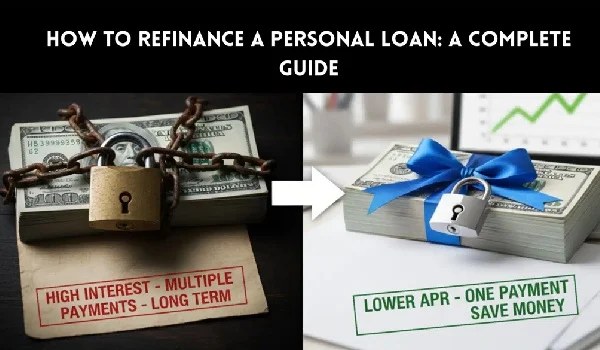
Refinancing means:
👉 Taking a new loan to pay off your existing loan.
The new loan usually comes with:
- Lower interest rate
- Better terms
- More manageable payments
Example:
- Old loan: $10,000 at 18%
- New loan: $10,000 at 10%
👉 You save money every month.
Why Do People Refinance Personal Loans?
Here are the most common reasons:
- Lower Interest Rate
Save money over time
- Lower Monthly Payment
Easier budgeting
- Shorter Loan Term
Pay off debt faster
- Switch Lenders
Better service or term
- Improve Financial Stability
Reduce stress
When Is the Right Time to Refinance?
Refinancing is not always the right choice.
👉 Consider refinancing if:
✔ Your Credit Score Has Improved
Better score = lower rates
✔ Interest Rates Have Dropped
Market conditions matter
✔ You Have Stable Income
Lenders prefer consistency
✔ You Want Better Loan Terms
👉 Avoid refinancing if:
- You just started your loan
- Fees are too high
- You plan to repay soon
Step-by-Step: How to Refinance a Personal Loan in the US
Step 1: Check Your Current Loan Details
Before refinancing, understand your current loan:
- Interest rate
- Remaining balance
- Monthly payment
- Prepayment penalties
👉 Some lenders charge fees for early payoff.
Step 2: Check Your Credit Score
Your credit score is key.
Ideal range:
- 700+ → Best rates
- 650–700 → Good
- Below 650 → Limited options
Step 3: Compare Lenders
Don’t accept the first offer.
Options:
- Banks
- Credit unions
- Online lenders
👉 Compare:
- APR
- Fees
- Loan terms
Step 4: Pre-Qualify for Offers
Many lenders allow pre-qualification.
👉 Benefits:
- No impact on credit score
- See estimated rates
Step 5: Calculate Savings
Make sure refinancing actually saves money.
Example:
- Old payment: $400/month
- New payment: $300/month
👉 Monthly savings: $100
Step 6: Apply for the New Loan
Submit:
- ID
- Income proof
- Bank statements
Step 7: Pay Off the Old Loan
Once approved:
👉 Use new loan to clear old debt
Step 8: Start New Payment Plan
Stick to your new schedule.
Comparison Table: Before vs After Refinancing
| Factor | Before Refinancing | After Refinancing |
| Interest Rate | 18% | 10% |
| Monthly Payment | $400 | $300 |
| Loan Term | 5 years | 4 years |
| Total Cost | Higher | Lower |
Real-Life Example
Sarah in New York had:
- Loan: $8,000
- Interest: 16%
- Monthly payment: $250
What she did:
- Improved credit score to 720
- Refinanced with a credit union
Result:
- New rate: 9%
- Payment: $200
👉 Saved $50/month and over $1,500 total.
Smart Tips for Successful Refinancing
✔ Improve Credit Before Applying
Even small improvements hel
✔ Choose Shorter Terms (If Possible)
Save more interest
✔ Check for Hidden Fees
Origination fees can reduce savings
✔ Use Auto-Pay Discounts
Many lenders offer lower rates
✔ Avoid Multiple Hard Inquiries
Apply within a short period
Common Mistakes to Avoid
❌ Ignoring Prepayment Penalties
Can cancel out savings
❌ Focusing Only on Monthly Payment
Lower payment ≠ lower total cost
❌ Extending Loan Term Too Much
Leads to more interes
❌ Not Comparing Lenders
You may miss better deals
❌ Refinancing Too Often
Hurts credit score
Pros and Cons of Refinancing
Pros:
✔ Lower interest rate
✔ Lower monthly payments
✔ Better financial control
Cons:
❌ Possible fees
❌ Requires good credit
❌ May extend loan period
Who Should Refinance?
👉 Best for:
- People with improved credit
- Borrowers with high-interest loans
- Those struggling with payments
👉 Not ideal for:
- Short-term loans
- Small balances
- Poor credit profiles
FAQs
- Does refinancing hurt your credit score?
It may cause a small temporary drop due to hard inquiry.
- How soon can I refinance a personal loan?
Usually after 3–6 months, depending on lender.
- Can I refinance with bad credit?
Yes, but rates may not improve much.
- Is refinancing worth it?
Yes, if it reduces interest or monthly payments.
- How long does refinancing take?
Typically 1–7 days with online lenders.
Final Action Plan: What You Should Do Next
If you want to refinance your personal loan, follow this:
Step 1:
Check your current loan details
Step 2:
Review your credit score
Step 3:
Compare multiple lenders
Step 4:
Calculate potential savings
Step 5:
Apply and switch to better loan
Final Thoughts
Refinancing a personal loan in the US can be a powerful financial move.
👉 It helps you:
- Save money
- Reduce stress
- Take control of your finances
But remember:
👉 Refinance only when it truly benefits you.
Take your time, compare options, and make a smart decision.
Start today—and you could save hundreds or even thousands of dollars over time 💰
About the Author