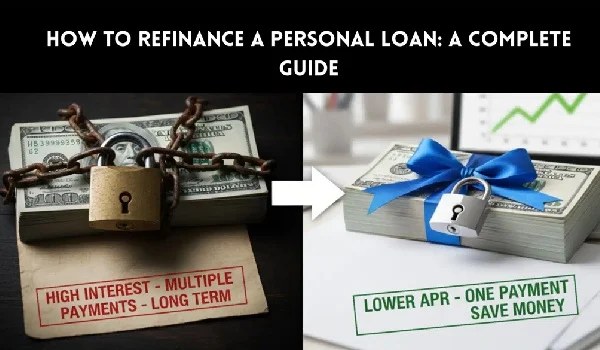
Paying high interest on a loan can feel like you’re stuck in a cycle—no matter how much you pay each month, a big chunk goes toward interest instead of reducing your actual balance.
The good news?
👉 You can reduce the interest rate on your existing loans—and save hundreds or even thousands of dollars over time.
In this simple, practical guide, I’ll explain step-by-step strategies used in the U.S. to lower loan interest rates, whether it’s a personal loan, car loan, credit card, or mortgage.

💡 Why Reducing Interest Rate Matters
Let’s understand with a simple example:
- Loan amount: $20,000
- Interest rate: 15%
- Monthly payment: ~$476
Now reduce the rate to 8%:
- New payment: ~$405
👉 You save about $70 per month
👉 Total savings: $4,000+ over time
This is why even a small rate reduction is powerful.
🔧 1. Refinance Your Loan (Most Effective Method)
Refinancing means replacing your current loan with a new loan at a lower interest rate.
📌 How It Works
- You take a new loan from another lender
- Use it to pay off your old loan
- Continue payments at a lower rate
🧾 Example
- Old loan: 14% interest
- New loan: 8% interest
👉 You instantly reduce your interest burden.
✅ Best For:
- Auto loans
- Personal loans
- Mortgages
- Student loans
⚠️ Things to Check:
- Processing fees
- Prepayment penalties
- New loan terms
👉 Always compare at least 3 lenders before refinancing.
📈 2. Improve Your Credit Score
Your credit score is the biggest factor in determining your interest rate.
💳 Why It Matters
- Higher score = lower risk for lenders
- Lower risk = lower interest rate
✔ Quick Ways to Improve Credit Score
- Pay bills on time (most important)
- Reduce credit card balances
- Avoid new loans or inquiries
- Check and fix errors in credit report
🧠 Pro Tip:
Even a 30–50 point increase can help you qualify for better refinancing offers.
🤝 3. Negotiate with Your Current Lender
Many people don’t know this—but you can actually ask your lender to lower your interest rate.
📞 How to Do It
Call your lender and say:
- You’ve been making timely payments
- Your credit score has improved
- You’ve received better offers elsewhere
👉 Ask if they can match or reduce your rate.
✅ Works Best If:
- You have a good payment history
- Your credit score improved
- Market rates have dropped
💡 Tip:
Banks prefer lowering your rate than losing you to another lender.
🔄 4. Transfer Balance (For Credit Cards)
If you’re dealing with high credit card interest (15%–25%), this strategy works very well.
📌 What Is Balance Transfer?
You move your debt to another credit card with:
👉 0% intro APR for 6–18 months
🧾 Example
- Old card interest: 20%
- New card: 0% for 12 months
👉 You save a lot on interest during that period.
⚠️ Watch Out For:
- Balance transfer fees (3%–5%)
- High rate after intro period
🏦 5. Switch to a Credit Union
Credit unions in the U.S. often offer:
- Lower interest rates
- Better terms
- Flexible policies
✔ Why Choose Credit Unions?
- Non-profit institutions
- Member-focused
- More lenient with credit scores
👉 Many borrowers reduce interest significantly by refinancing through a credit union.
💰 6. Make Extra Payments (Reduce Interest Indirectly)
Even if your rate doesn’t change, you can reduce total interest paid.
📌 How It Works
- Pay more than the minimum
- Reduce principal faster
- Less interest over time
🧾 Example
- Monthly payment: $400
- You pay: $500
👉 Loan finishes earlier
👉 Thousands saved in interest
📊 7. Choose Shorter Loan Term
When refinancing, choose a shorter duration.
Example:
| Term | Interest Rate | Monthly Payment |
| 5 Years | 10% | Lower |
| 3 Years | 7% | Higher |
👉 Shorter term = lower interest rate + less total interest paid
⚠️ But ensure you can afford higher monthly payments.
🧠 8. Add a Co-Signer
If your credit score is low, adding a co-signer can help.
✔ Benefits:
- Lower interest rate
- Better approval chances
- Improved loan terms
⚠️ Important:
- Co-signer is legally responsible
- Missed payments affect both parties
🔍 9. Look for Special Programs
Some loans offer special rate reductions.
Examples:
- Auto loan refinance offers
- Student loan relief programs
- Employer-based financial benefits
👉 Always check if you qualify for any discounts.
🚫 Common Mistakes to Avoid
❌ 1. Ignoring Fees While Refinancing
Lower rate doesn’t always mean better deal.
❌ 2. Extending Loan Too Much
Lower EMI but higher total interest.
❌ 3. Not Checking Credit Score
You may not qualify for better rates.
❌ 4. Missing Payments
This reduces your chances of rate reduction.
💡 Smart Strategy (Best Approach)
Here’s a simple action plan:
- Check your credit score
- Improve it for 30–60 days
- Compare refinancing offers
- Negotiate with current lender
- Choose best deal with lowest APR
💰 Real-Life Example (USA Scenario)
Let’s say you live in Florida and have:
- Personal loan: $10,000
- Interest rate: 16%
After 6 months:
- Your credit score improves
- You refinance at 9%
👉 Result:
- Monthly savings: ~$40
- Total savings: $1,500+
📈 Long-Term Benefits
Reducing interest rate helps you:
✔ Save money
✔ Become debt-free faster
✔ Improve credit score
✔ Reduce financial stress
🏁 Final Thoughts
Reducing the interest rate on your existing loan is one of the smartest financial moves you can make in the U.S.
You don’t need to stay stuck with a high rate forever.
👉 Take action today:
- Refinance
- Improve your credit
- Negotiate
- Explore better options
📌 Simple Rule to Remember
👉 “Lower interest = more savings = faster financial freedom”
About the Author