Borrowing money is a common part of life in the United States. Whether you need funds for a home, car, education, or emergency expenses, loans can help you manage big financial needs. But before you apply, it’s very important to understand one key concept:
👉 Secured vs Unsecured Loans
Many people don’t understand the difference—and that can lead to costly mistakes.
In this simple, easy-to-understand guide, I’ll explain everything step-by-step so you can choose the right type of loan for your situation.
💡 What Is a Loan
A loan is money you borrow from a lender (like a bank or financial company) that you must repay over time with interest.
There are two main types:
- Secured Loans
- Unsecured Loans
Let’s understand them one by one.
🔐 What Is a Secured Loan?
A secured loan is a loan that is backed by something you own, called collateral.
Collateral = Asset you pledge (like a house or car)
If you fail to repay the loan, the lender has the legal right to take your asset.
📌 Common Examples of Secured Loans in the US
- Mortgage loans (your house is collateral)
- Auto loans (your car is collateral)
- Home equity loans
- Secured personal loans
🧾 Real-Life Example
Let’s say you buy a car in California:
- Car price: $25,000
- Loan: $20,000
- Collateral: The car
If you stop making payments, the lender can repossess your car.
✅ Advantages of Secured Loans
✔ Lower interest rates
✔ Higher loan amounts
✔ Easier approval (even with low credit)
✔ Longer repayment periods
❌ Disadvantages of Secured Loans
❌ Risk of losing your asset
❌ Longer approval process
❌ Requires collateral
💳 What Is an Unsecured Loan?
An unsecured loan does NOT require collateral.
You borrow money based on:
- Your credit score
- Income
- Financial history
If you don’t repay, the lender cannot directly take your property—but they can:
- Send your account to collections
- Damage your credit score
- Take legal action
📌 Common Examples of Unsecured Loans
- Personal loans
- Credit cards
- Student loans
- Medical loans
🧾 Real-Life Example
Suppose you take a personal loan in New York:
- Loan amount: $10,000
- No collateral required
If you default:
- Your credit score drops
- You may face legal action
- But no direct asset seizure
✅ Advantages of Unsecured Loans
✔ No risk to personal assets
✔ Faster approval process
✔ Less paperwork
✔ Flexible use (any purpose)
❌ Disadvantages of Unsecured Loans
❌ Higher interest rates
❌ Lower loan limits
❌ Harder approval for low credit
❌ Shorter repayment terms
📊 Secured vs Unsecured Loans (Quick Comparison)
| Feature | Secured Loan | Unsecured Loan |
| Collateral Required | Yes | No |
| Interest Rate | Lower | Higher |
| Approval | Easier | Harder |
| Loan Amount | Higher | Lower |
| Risk | Lose asset | Credit damage |
| Examples | Car loan, mortgage | Personal loan, credit card |
🧠 Which Loan Is Better for You?
The answer depends on your situation.
👉 Choose Secured Loan If:
- You want a lower interest rate
- You need a large amount
- You have an asset to pledge
- Your credit score is low
👉 Choose Unsecured Loan If:
- You don’t want to risk your assets
- You need money quickly
- You have a good credit score
- You need a small or medium loan
💰 Interest Rate Difference (Important)
This is where most people make mistakes.
Example:
| Loan Type | Loan Amount | Interest Rate | Monthly Payment |
| Secured Loan | $15,000 | 6% | ~$290 |
| Unsecured Loan | $15,000 | 14% | ~$350 |
👉 You pay $60 more per month with an unsecured loan.
Over time, that’s thousands of dollars extra.
⚠️ Risks You Must Understand
🔐 Secured Loan Risks
- You can lose your:
- Car
- House
- Savings (if pledged)
👉 Example: Missing mortgage payments can lead to foreclosure.
💳 Unsecured Loan Risks
- Credit score damage
- Debt collection calls
- Lawsuits or wage garnishment
👉 Even though there’s no collateral, consequences are still serious.
🏦 How Lenders Decide Approval
Whether secured or unsecured, lenders check:
- Credit score
- Income stability
- Debt-to-income ratio
- Employment history
👉 For unsecured loans, credit score matters much more
📈 How These Loans Affect Your Credit Score
Both loan types can help or hurt your credit.
Positive Impact:
✔ On-time payments
✔ Low balance usage
Negative Impact:
❌ Late payments
❌ Default
👉 Tip: Always pay EMIs on time—this builds strong credit.
🧠 Smart Strategies Before Choosing a Loan
✔ 1. Compare Multiple Lenders
Don’t settle for the first offer.
✔ 2. Check APR (Not Just Interest Rate)
APR includes:
- Fees
- Charges
✔ 3. Borrow Only What You Need
Avoid unnecessary debt.
✔ 4. Read Terms Carefully
Watch for:
- Prepayment penalties
- Late fees
✔ 5. Build Emergency Fund
So you don’t miss payments.
🚫 Common Mistakes to Avoid
❌ 1. Ignoring Risk of Collateral
Many people lose assets because they underestimate risk.
❌ 2. Choosing Based Only on Monthly Payment
Lower EMI can mean longer term and more interest.
❌ 3. Not Understanding Loan Terms
Always read fine print.
❌ 4. Taking Unsecured Loan with Low Credit
You’ll get very high interest rates.
🔄 Can You Convert One Loan Type to Another?
Yes, in some cases.
Example:
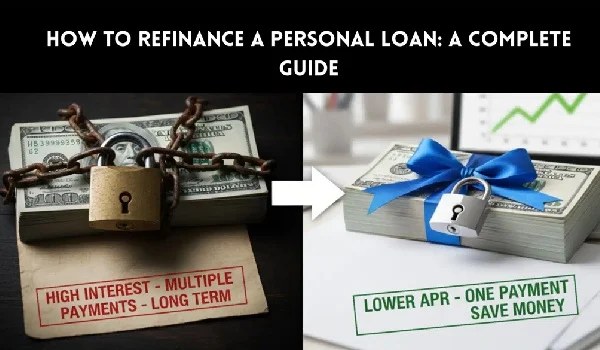
- You can refinance an unsecured loan into a secured one (using collateral) to reduce interest rate.
👉 This is called loan refinancing.
🏁 Final Thoughts
Understanding the difference between secured and unsecured loans is essential before borrowing money in the U.S.
👉 Secured loans are cheaper but riskier (you can lose assets).
👉 Unsecured loans are safer for your assets but more expensive.
The best choice depends on:
- Your credit score
- Your income
- Your risk tolerance
- Your financial goals
📌 Simple Rule to Remember
👉 “If you want lower cost → go secured”
👉 “If you want less risk → go unsecured”
About the Author