Building wealth doesn’t happen overnight. In the US, the most successful investors don’t chase quick profits—they follow simple, disciplined long-term strategies.
Whether your goal is financial freedom, retirement, or passive income, the right strategy can turn small investments into life-changing wealth.
As legendary investor Warren Buffett says:
“The stock market is a device for transferring money from the impatient to the patient.”
In this detailed guide, you’ll learn:
- Proven long-term investment strategies
- Where to invest in the US
- How to build a strong portfolio
- Mistakes to avoid
Let’s get started.
What Is Long-Term Investing?
Long-term investing means holding investments for 5, 10, 20+ years.
Instead of reacting to short-term market movements, you focus on:
- Growth over time
- Compounding returns
- Stability and discipline
👉 The goal is simple: let your money grow consistently over decades.
Why Long-Term Investing Works
Historically, the US stock market has delivered strong returns.
For example:
- The S&P 500 Index has returned around 8–10% annually over the long term.
Key advantages:
✅ 1. Compounding Growth
Your returns generate more returns.
✅ 2. Lower Risk Over Time
Short-term volatility smooths out over decades.
✅ 3. Less Stress
No need to track markets daily.
Strategy 1: Invest in Index Funds (The #1 Strategy)
If there’s one strategy that works for most Americans, it’s this:
👉 Invest in index funds regularly.
What Are Index Funds?
They track the overall market.
Example:
- S&P 500 Index
Instead of picking individual stocks, you invest in 500+ companies at once.
Why Index Funds Are Powerful
- Low fees
- Diversification
- Consistent returns
- Beginner-friendly
Example Strategy:
- Invest monthly in S&P 500 index fund
- Hold for 20+ years
👉 This simple strategy has made millions wealthy.
Strategy 2: Dollar-Cost Averaging (DCA)
This is one of the safest ways to invest.
What Is DCA?
You invest a fixed amount regularly.
Example:
- $500 every month
Benefits:
- Reduces risk
- Avoids market timing
- Builds discipline
Why It Works
When prices are low → you buy more
When prices are high → you buy less
👉 Over time, your average cost balances out.
Strategy 3: Dividend Investing (Passive Income)
Dividend investing focuses on companies that pay regular income.
What Are Dividend Stocks?
Companies that share profits with investors.
Examples:
- Coca-Cola
- Johnson & Johnson
Benefits:
- Regular income
- Stability
- Compounding through reinvestment
Long-Term Approach:
- Reinvest dividends
- Hold for decades
👉 This creates powerful passive income streams.
Strategy 4: Growth Investing (Wealth Creation)
Growth investing focuses on companies that grow fast.
Examples:
- Apple Inc.
- Microsoft Corporation
Benefits:
- High returns
- Capital appreciation
Risk:
- More volatile than dividend stocks
Best Approach:
Combine growth stocks with index funds.
Strategy 5: Asset Allocation (Diversification)
Don’t put all your money in one place.
Example Portfolio:
| Asset | Allocation |
| Stocks | 70% |
| Bonds | 20% |
| Real Estate | 10% |
Why Diversification Matters:
- Reduces risk
- Protects during downturns
- Improves stability
Strategy 6: Invest in Retirement Accounts
This is one of the biggest advantages for US investors.
🟢 401(k)
- Employer-sponsored plan
- Often includes matching contributions
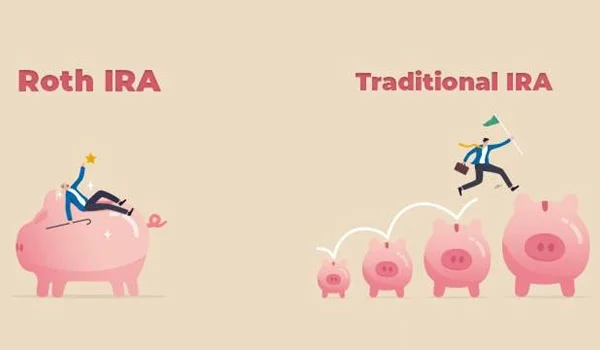
🟡 Roth IRA
- Tax-free withdrawals
- Great for long-term growth
🔵 Traditional IRA
- Tax savings today
- Tax paid later
Contribution limits are set by the Internal Revenue Service.
Pro Tip:
👉 Always take full advantage of employer match—it’s free money.
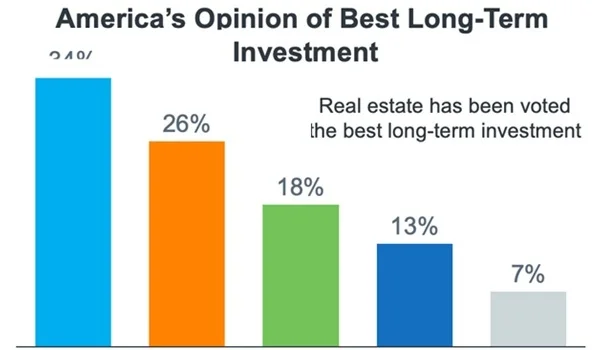
Strategy 7: Long-Term Real Estate Investing
Real estate is another powerful wealth builder.
Ways to Invest:
- Rental properties
- REITs (Real Estate Investment Trusts)
Benefits:
- Monthly income
- Property appreciation
- Tax advantages
Tip:
If you don’t want to manage property → invest in REITs.
Strategy 8: Stay Invested (Don’t Time the Market)
One of the biggest mistakes:
👉 Trying to predict market highs and lows
Even experts fail at this.
Better Approach:
- Stay invested
- Ignore short-term noise
- Focus on long-term goals
Strategy 9: Reinvest Earnings
Always reinvest:
- Dividends
- Interest
- Capital gains
Why?
This accelerates compounding.
Example:
- $10,000 grows at 8%
- With reinvestment → exponential growth
Strategy 10: Keep Costs Low
Fees eat into your returns.
Avoid:
- High expense funds
- Frequent trading
- Hidden fees
Prefer:
- Low-cost index funds
- ETFs
Common Mistakes to Avoid
❌ 1. Chasing Quick Profits
Short-term trading often leads to losses.
❌ 2. Lack of Discipline
Skipping investments breaks compounding.
❌ 3. Over-Diversification
Too many investments can reduce returns.
❌ 4. Panic Selling
Markets fall—but always recover long-term.
Real-Life Example (Power of Long-Term Investing)
Let’s say:
- Invest $500/month
- Return: 8%
- Time: 30 years
👉 Result: ~$750,000+
This shows how consistency beats timing.
Simple Long-Term Plan (Beginner-Friendly)
Step 1:
Start with index funds
Step 2:
Invest monthly (DCA)
Step 3:
Use tax-advantaged accounts
Step 4:
Diversify portfolio
Step 5:
Stay invested for 20+ years
Pro Tips from Experts
- Focus on time in the market, not timing
- Increase investment as income grows
- Avoid emotional decisions
- Review portfolio yearly (not daily)
Final Thoughts
Long-term investing is simple—but not easy.
It requires:
- Patience
- Discipline
- Consistency
But the rewards are worth it.
Conclusion
The best long-term investment strategies for Americans are not complicated.
👉 Invest consistently
👉 Keep costs low
👉 Diversify wisely
👉 Stay invested
That’s it.
Over time, these simple habits can turn ordinary income into extraordinary wealth.
About the Author