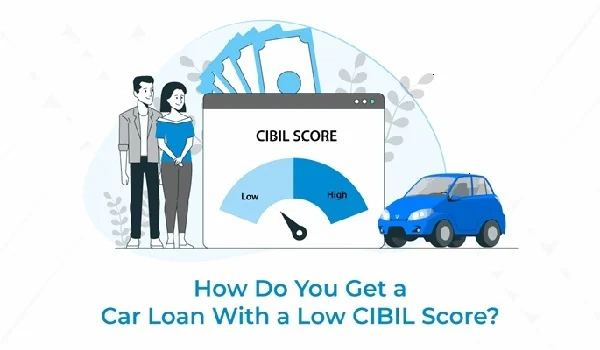
Buying a car in the United States is often not a luxury—it’s a necessity. Whether you need it for work, family, or daily commuting, having a reliable vehicle can completely change your life. But what if your credit score is low? Many people feel stuck, thinking they won’t get approved for a car loan.
The good news is: you can still get a car loan even with a low credit score. It may take a bit more effort and smart planning, but it’s absolutely possible.
In this guide, I’ll walk you through everything step-by-step, so you can understand exactly how to get approved and avoid costly mistakes.
🚗 What Is Considered a Low Credit Score?
In the U.S., credit scores usually range from 300 to 850. Here’s a quick breakdown:
| Credit Score Range | Category |
| 750+ | Excellent |
| 700–749 | Good |
| 650–699 | Fair |
| 600–649 | Poor |
| Below 600 | Very Poor |
If your score is below 650, lenders consider you a high-risk borrower. That means:
- Higher interest rates
- Stricter approval conditions
- Possible loan rejection
But don’t worry—you still have options.
💡 Step-by-Step Guide to Get a Car Loan with Low Credit
- Check Your Credit Score First
Before applying for any loan, know where you stand.
You can check your credit score for free through services like:
- Credit Karma
- Experian
- AnnualCreditReport.com
👉 Why this matters:
- You avoid surprises
- You can fix errors (yes, mistakes happen!)
- You understand what lenders will see
- Set a Realistic Budget
With a low credit score, your interest rate will likely be higher. So, you need to plan carefully.
Example:
- Car price: $15,000
- Interest rate: 12% (higher due to low credit)
- Monthly payment: ~$330–$350
👉 Tip:
Try to keep your car payment below 15% of your monthly income.
- Save for a Bigger Down Payment
This is one of the most powerful strategies.
Why it helps:
- Reduces loan amount
- Increases approval chances
- Lowers monthly payments
Example:
- Car price: $12,000
- Down payment: $3,000
- Loan needed: $9,000
👉 The bigger your down payment, the less risky you look to lenders.
- Get Pre-Approved Before Visiting a Dealership
Don’t walk into a dealership blindly.
Instead, get pre-approved from:
- Banks
- Credit unions
- Online lenders
Benefits:
- You know your loan limit
- You avoid dealership pressure
- You can compare offers
👉 Credit unions are especially helpful for low credit borrowers because they often offer lower interest rates.
- Look for “Subprime Auto Lenders”
Some lenders specialize in people with bad credit.
These are called subprime lenders.
They:
- Accept low credit scores
- Offer flexible terms
- Approve more applications
⚠️ But be careful:
- Interest rates can be very high (15%–25%)
- Always read the fine print
- Consider a Co-Signer
A co-signer is someone with good credit who agrees to take responsibility if you don’t pay.
Benefits:
- Higher approval chances
- Lower interest rate
- Better loan terms
Example:
If your rate is 18% alone, with a co-signer it could drop to 9–10%.
⚠️ Important:
- If you miss payments, it affects your co-signer’s credit too.
- Choose a Cheaper or Used Car
Instead of aiming for a brand-new car, go for:
- Certified pre-owned vehicles
- Reliable used cars
Why?
- Lower loan amount
- Easier approval
- Lower monthly payments
👉 Brands like Toyota, Honda, and Hyundai are known for reliability even in used models.
- Improve Your Credit Before Applying (If Possible)
Even a small improvement can make a big difference.
Quick ways to boost your score:
- Pay all bills on time
- Reduce credit card balances
- Avoid new hard inquiries
- Dispute errors on your report
👉 Even a 20–50 point increase can lower your interest rate significantly.
📊 Comparison: Good Credit vs Low Credit Car Loan
| Factor | Good Credit (720+) | Low Credit (600-) |
| Interest Rate | 4%–7% | 10%–25% |
| Approval Chances | Very High | Moderate |
| Down Payment | Low or none | Higher required |
| Monthly Payment | Lower | Higher |
| Loan Terms | Flexible | Strict |
💰 Real-Life Example
Let’s say you live in Texas and need a car for work.
Scenario A (Good Credit):
- Loan: $20,000
- Interest: 5%
- Monthly Payment: ~$377
Scenario B (Low Credit):
- Loan: $20,000
- Interest: 15%
- Monthly Payment: ~$476
👉 That’s nearly $100 more per month just because of credit score.
⚠️ Common Mistakes to Avoid
❌ 1. Not Checking Your Credit First
You may apply blindly and get rejected.
❌ 2. Accepting the First Offer
Always compare at least 3 lenders.
❌ 3. Focusing Only on Monthly Payment
Dealers may stretch loan terms to lower payments—but you pay more overall.
❌ 4. Ignoring Hidden Fees
Watch for:
- Processing fees
- Prepayment penalties
- Add-ons
❌ 5. Buying an Expensive Car
Stick to what you can afford—not what looks good.
🧠 Smart Tips to Get Approved Faster
✔ Apply with a co-signer if possible
✔ Save at least 10%–20% for down payment
✔ Choose shorter loan terms (36–48 months)
✔ Show stable income (job history matters)
✔ Avoid multiple loan applications at once
🔄 Alternative Options If You Get Rejected
If you’re denied, don’t panic. Try these:
- Buy Here Pay Here Dealerships
- Easier approval
- Payments made directly to dealer
⚠️ Higher interest rates
- Personal Loan
- Use it to buy a cheaper car
- No collateral required
- Improve Credit and Reapply
- Wait 3–6 months
- Boost score
- Apply again
📈 How This Loan Can Help Your Credit
A car loan can actually improve your credit score if managed well.
How:
- Make on-time payments
- Keep balance low
- Avoid missed payments
👉 After 12–18 months, your score can improve significantly.
🏁 Final Thoughts
Getting a car loan with a low credit score in the U.S. may seem difficult—but it’s far from impossible.
The key is to:
- Be realistic about your budget
- Compare lenders carefully
- Use strategies like down payment and co-signer
- Avoid costly mistakes
Remember, this is not just about buying a car—it’s also a chance to rebuild your financial future.
About the Author