Starting your investment journey is exciting—but it’s also where most people make costly mistakes.
In the US, millions of beginners enter the stock market every year. Some build wealth successfully, while others lose money—not because investing is risky, but because they make avoidable errors.
Here’s the truth:
👉 Most investment mistakes are not about lack of knowledge—they’re about behavior.
Even legendary investors like Warren Buffett emphasize discipline over intelligence.
In this detailed guide, we’ll break down:
- The most common mistakes beginners make
- Why they happen
- How to avoid them
- Smart strategies for long-term success
Let’s dive in.

Why Beginners Make Investment Mistakes
Before we jump into mistakes, understand the root causes:
- Lack of financial education
- Emotional decisions (fear & greed)
- Influence of social media & hype
- Short-term thinking
👉 The good news? All of these are fixable.
❌ Mistake 1: Investing Without a Plan
Many beginners start investing randomly.
They:
- Buy stocks based on tips
- Follow trends
- Don’t have clear goals
Why This Is Dangerous:
Without a plan, you:
- Don’t know what to buy or sell
- Panic during market drops
- Lose consistency
✅ What to Do Instead:
- Define your goal (retirement, passive income, wealth)
- Set a timeline (5, 10, 20 years)
- Choose a strategy
👉 A clear plan is your foundation.
❌ Mistake 2: Trying to Get Rich Quickly
Many beginners think investing is a shortcut to quick money.
They chase:
- “Hot stocks”
- Viral trends
- Get-rich-quick schemes
Reality Check:
👉 Investing is a long-term game, not a lottery.
Even Warren Buffett built his wealth over decades—not overnight.
✅ Smart Approach:
- Focus on steady growth
- Be patient
- Think in years, not weeks
❌ Mistake 3: Not Understanding What You’re Investing In
Many people invest in companies or funds without knowing them.
Example:
Buying tech stocks without understanding:
- Business model
- Revenue
- Risks
Why It’s Risky:
You won’t know when to hold or sell.
✅ Solution:
- Research basics
- Invest in what you understand
- Start with index funds if unsure
❌ Mistake 4: Ignoring Diversification
Putting all money in one stock or sector is risky.
Example:
- Investing only in tech stocks
If tech crashes → your entire portfolio suffers.
✅ Smart Strategy:
Diversify across:
- Industries
- Asset types
- Geographies
Example:
- Stocks
- Bonds
- Real estate
❌ Mistake 5: Panic Selling During Market Drops
This is one of the biggest mistakes.
What Happens:
- Market falls
- Fear kicks in
- You sell at a loss
Reality:
Markets recover over time.
For example:
- S&P 500 Index has recovered from every major crash historically.
✅ What to Do:
- Stay calm
- Stick to your plan
- Keep investing
❌ Mistake 6: Trying to Time the Market
Beginners try to:
- Buy at the lowest point
- Sell at the highest point
Problem:
👉 Even experts can’t do this consistently.
✅ Better Strategy:
Use Dollar-Cost Averaging (DCA):
- Invest regularly
- Ignore short-term fluctuations
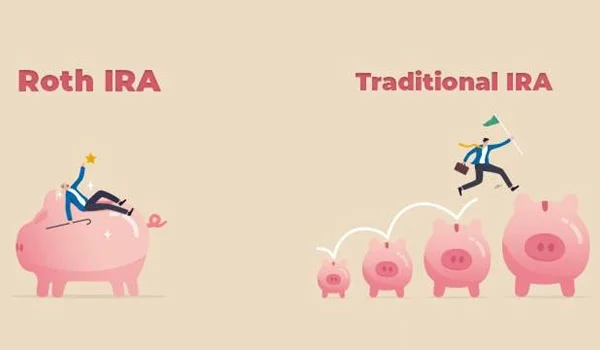
❌ Mistake 7: Not Using Tax-Advantaged Accounts
Many beginners ignore powerful US investment tools.
Missed Opportunities:
- 401(k)
- Roth IRA
- Traditional IRA
Why This Matters:
These accounts provide:
- Tax savings
- Faster growth
Important:
Contribution rules are set by the Internal Revenue Service.
✅ Smart Move:
- Maximize employer 401(k) match
- Use Roth IRA for tax-free growth
❌ Mistake 8: Investing Without Emergency Fund
Some beginners invest all their money.
Problem:
If an emergency happens:
- They withdraw investments early
- Face losses or penalties
✅ Solution:
- Keep 3–6 months of expenses in savings
❌ Mistake 9: Overtrading
Buying and selling frequently.
Why It’s Bad:
- High fees
- Poor decisions
- Lower returns
Truth:
👉 Long-term investors outperform traders.
✅ What to Do:
- Buy and hold
- Avoid unnecessary trades
❌ Mistake 10: Ignoring Fees
Fees may seem small—but they add up.
Example:
- 1% annual fee
- Over 30 years → huge loss
✅ Smart Choice:
- Choose low-cost index funds
- Avoid high expense ratios
❌ Mistake 11: Following Social Media Hype
Many beginners invest based on:
- YouTube
- TikTok
- Reddit trends
Risk:
- Pump-and-dump schemes
- Overvalued stocks
✅ Better Approach:
- Do your own research
- Verify information
❌ Mistake 12: Not Being Consistent
Investing once and stopping is a mistake.
Why It Matters:
Wealth is built through:
- Regular investing
- Compounding
✅ Solution:
- Invest monthly
- Automate contributions
❌ Mistake 13: Emotional Investing
Fear and greed drive poor decisions.
Example:
- Buying during hype
- Selling during panic
✅ Fix:
- Stick to your plan
- Avoid reacting to news
❌ Mistake 14: Not Reinvesting Earnings
Many beginners withdraw profits early.
Problem:
You lose compounding power.
✅ Better Strategy:
- Reinvest dividends
- Let money grow
❌ Mistake 15: Starting Too Late
Waiting for the “perfect time” delays growth.
Truth:
👉 The best time to invest is now.
Example:
- Start at 25 vs 35 → huge difference
Smart Beginner Strategy (Simple Plan)
Step 1:
Start with index funds
Step 2:
Use tax-advantaged accounts
Step 3:
Invest monthly (DCA)
Step 4:
Diversify portfolio
Step 5:
Stay long-term focused
Real-Life Example
Investor A:
- Invests regularly
- Stays calm
Investor B:
- Trades frequently
- Follows hype
👉 Investor A builds wealth
👉 Investor B struggles
Pro Tips from Experts
- Keep investing simple
- Focus on long-term goals
- Avoid emotional decisions
- Increase investments over time
Final Thoughts
Most beginners don’t fail because investing is difficult.
👉 They fail because they make avoidable mistakes.
The good news?
You can avoid all of them with:
- Discipline
- Patience
- Basic knowledge
Conclusion
To succeed in investing:
✔ Have a clear plan
✔ Stay consistent
✔ Avoid emotional decisions
✔ Think long-term
Remember:
👉 Investing is not about being perfect—it’s about being consistent.
About the Author