Imagine this: You just moved to Dallas, Texas, between jobs, and your employer health insurance hasn’t started yet. Suddenly, you slip, break your wrist, and end up in the ER. A few X-rays, a cast, and a short visit later—you get a bill for $6,000.
No insurance. No backup. Just bills.
This situation is more common in the US than you think. Many people face gaps in coverage—between jobs, after college, or while waiting for a new plan to begin. That’s where short-term health insurance comes in.
But here’s the problem:
Short-term plans can be helpful—but they can also leave you exposed if you don’t understand how they work.
In this guide, I’ll break everything down in simple English so you can decide if it’s right for you—and avoid costly mistakes.
What Is Short-Term Health Insurance?
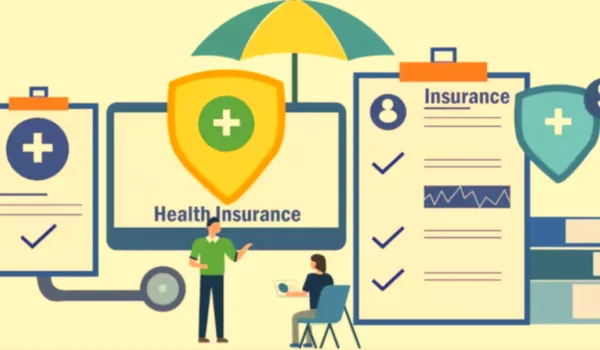
Short-term health insurance is a temporary medical coverage plan designed to protect you during gaps in regular insurance.
Key idea:
👉 It’s not a full replacement for regular health insurance—it’s a temporary safety net.
Typical situations where people use it:
- Between jobs
- Waiting for employer coverage to start
- Recently graduated from college
- Missed Open Enrollment
- Early retirees (before Medicare kicks in)
How Does It Work? (Step-by-Step)
Let’s keep this very practical.
Step 1: You Apply Online
You can apply anytime—no need to wait for Open Enrollment. Approval is usually quick (sometimes within 24 hours).
Step 2: You Choose Coverage Period
Plans typically last:
- 1 month to 12 months
(Some states allow extensions up to 36 months)
Step 3: You Pay Monthly Premium
Example:
- $80–$300/month (depends on age, state, coverage)
Step 4: You Use It When Needed
If you get sick or injured:
- You visit a doctor or hospital
- You pay deductible first
- Insurance covers part of the cost
What Does Short-Term Insurance Cover?
Coverage varies, but most plans include:
✅ Emergency room visits
✅ Hospital stays
✅ Doctor visits
✅ Surgery
✅ Limited prescription drugs
Example:
In Phoenix, Arizona, a short-term plan might cover:
- ER visit: 70% after deductible
- Hospital stay: $1,000/day limit
What Does It NOT Cover? (Very Important)
This is where many people get into trouble.
❌ Pre-existing conditions
❌ Maternity care
❌ Mental health services (in many plans)
❌ Preventive care (like annual checkups)
❌ Chronic illnesses (like diabetes treatment)
Real-life example:
If you already have asthma and need regular medication—it likely won’t be covered.
Short-Term vs Regular Health Insurance
| Feature | Short-Term Insurance | ACA (Obamacare) Plans |
| Cost | Lower ($80–$300/month) | Higher ($300–$800/month) |
| Coverage | Limited | Comprehensive |
| Pre-existing Conditions | Not covered | Covered |
| Enrollment | Anytime | Only during Open Enrollment (with exceptions) |
| Preventive Care | Usually not included | Included |
| Duration | Temporary | Long-term |
| Flexibility | High | Moderate |
👉 Simple takeaway:
Short-term = cheaper but risky
ACA plans = expensive but safer
Who Should Consider Short-Term Insurance?
Good fit for:
✔ Healthy individuals with no medical history
✔ People between jobs
✔ Young adults under 30
✔ People who missed enrollment deadlines
Not ideal for:
❌ Families with kids
❌ People with chronic conditions
❌ Pregnant women
❌ Seniors nearing Medicare
Real-Life Scenario
Let’s say:
- You’re 27 years old in Los Angeles
- You quit your job and start freelancing
- Your new income is unstable
Option 1: ACA Plan
- Cost: $450/month
- Coverage: Full
Option 2: Short-Term Plan
- Cost: $120/month
- Coverage: Basic emergencies
👉 If you’re healthy and just need backup → short-term may work
👉 If you want full protection → ACA plan is better
Pros and Cons (Quick Breakdown)
Pros
✔ Affordable monthly cost
✔ Quick approval (no long wait)
✔ Flexible duration
✔ Good for emergencies
Cons
❌ Limited coverage
❌ No protection for pre-existing conditions
❌ Can deny claims more easily
❌ Not legally required to meet ACA standards
Smart Tips Before Buying
- Always Read the Fine Print
Don’t assume something is covered—check details.
- Choose Higher Coverage Limits
Low-cost plans often have low payout caps.
- Check Deductible Carefully
Example:
- $5,000 deductible = you pay first $5,000
- Look at Network Doctors
Some plans limit where you can go.
- Use It Only as a Backup Plan
Think of it like a “temporary shield,” not full armor.
Common Mistakes to Avoid
Mistake 1: Thinking It Covers Everything
Many people assume it works like normal insurance—it doesn’t.
Mistake 2: Ignoring Pre-existing Condition Rules
This is the #1 reason claims get denied.
Mistake 3: Choosing the Cheapest Plan
Cheap plans often have:
- Low coverage caps
- High deductibles
Mistake 4: Not Checking State Rules
Some states (like California, New York) have restrictions or don’t allow these plans.
Mistake 5: Keeping It Too Long
Using short-term insurance for years can be risky.
Strategies to Use Short-Term Insurance Wisely
Strategy 1: Use It as a Bridge
Example:
- 3-month gap between jobs → perfect use case
Strategy 2: Combine With Emergency Savings
Have at least $2,000–$5,000 saved for deductibles.
Strategy 3: Switch to ACA Plan ASAP
As soon as you qualify for a better plan, switch.
Strategy 4: Compare Multiple Providers
Prices and coverage vary widely.
How Much Does It Cost in the US?
Here’s a rough idea:
- Age 25: $80–$150/month
- Age 35: $120–$250/month
- Age 50: $200–$400/month
Example:
In Chicago, Illinois:
- Short-term plan: $140/month
- ACA plan: $420/month
FAQs
- Is short-term health insurance worth it?
Yes—if you’re healthy and need temporary coverage. No—if you need full protection or have health issues.
- Can I use it for regular doctor visits?
Sometimes, but coverage is limited and you may pay more out-of-pocket.
- Does it cover COVID-19 or major illnesses?
Some plans do, but not all. Always check details before buying.
- Can I renew short-term insurance?
Yes, but rules vary by state. Some allow extensions, others don’t.
- What happens if I get seriously sick?
You may face high out-of-pocket costs if it’s not fully covered—this is the biggest risk.
Final Conclusion: What Should You Do Next?
Short-term health insurance can be a lifesaver—or a financial trap—depending on how you use it.
Here’s your action plan:
- Ask yourself: Is this a temporary gap or long-term need?
- If temporary → consider short-term insurance
- Compare at least 3 plans before buying
- Check exclusions carefully (especially pre-existing conditions)
- Plan your exit (move to a full ACA plan when possible)
👉 Simple rule:
Use short-term insurance as a backup—not your main protection.
If you’re unsure, it’s always safer to choose a comprehensive plan—even if it costs more—because in the US, one medical emergency can easily turn into $10,000+ in debt.
About the Author