Imagine this.
Emily, a dog owner in Seattle, Washington, rushed her Labrador to the emergency vet late at night. Her dog had swallowed something dangerous.
After a few tests, surgery, and overnight care, she received the bill:
- Emergency exam: $250
- X-rays: $600
- Surgery: $3,500
- Hospital stay: $1,200
Total: $5,550
Emily didn’t have pet insurance.
She had two choices:
- Pay everything out of pocket
- Or delay treatment (which could risk her dog’s life)
This is a real situation many pet owners in the US face. Veterinary care is expensive—and costs are rising every year.
That’s why more Americans are asking:
👉 Is pet insurance worth it?
In this guide, I’ll break it down, so you can decide what’s best for you and your pet.
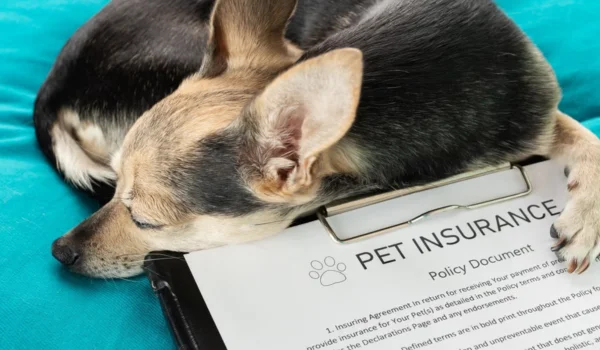
What Is Pet Insurance?
Pet insurance is a policy that helps cover the cost of veterinary care for your pet.
Simple idea:
👉 You pay a monthly premium → insurance reimburses part of your vet bills.
How Does Pet Insurance Work? (Step-by-Step)
Let’s make this super simple.
Step 1: You Choose a Plan
You pick coverage based on your budget and pet’s needs.
Step 2: You Pay Monthly Premium
Typical cost:
- Dogs: $30–$80/month
- Cats: $15–$40/month
Step 3: You Visit the Vet
Unlike human insurance, you usually:
👉 Pay the bill first
Step 4: File a Claim
Submit your receipt to the insurance company.
Step 5: Get Reimbursed
Insurance pays back:
👉 70%–90% of covered costs
What Does Pet Insurance Cover?
Coverage depends on the plan, but most include:
Common Coverage:
✔ Accidents (broken bones, injuries)
✔ Illnesses (infections, cancer)
✔ Surgeries
✔ Emergency care
✔ Medications
Optional Add-ons:
- Routine checkups
- Vaccinations
- Dental cleaning
What Is NOT Covered?
This is very important.
❌ Pre-existing conditions
❌ Cosmetic procedures
❌ Breeding-related costs
❌ Some hereditary conditions (in basic plans)
Real-Life Example
Let’s say you live in Austin, Texas and your cat gets sick.
- Vet bill: $2,000
- Insurance coverage: 80%
- Deductible: $200
You pay:
- $200 deductible
- 20% of remaining ($360)
👉 Total out-of-pocket: $560
👉 Insurance pays: $1,440
Types of Pet Insurance Plans
- Accident-Only Plan
- Covers injuries only
- Cheapest option
Best for:
✔ Budget-conscious owners
- Accident + Illness Plan (Most Popular)
- Covers both injuries and illnesses
Best for:
✔ Most pet owners
- Comprehensive Plan
- Includes accidents, illnesses, and routine care
Best for:
✔ Full protection
Comparison Table: With vs Without Pet Insurance
| Situation | With Insurance | Without Insurance |
| Monthly Cost | $30–$70 | $0 |
| Emergency Bill ($5,000) | Pay ~$1,000 | Pay full $5,000 |
| Financial Stress | Low | High |
| Treatment Decisions | Easier | Harder |
| Long-Term Savings | Possible | Uncertain |
👉 Simple takeaway:
Insurance reduces risk—but adds monthly cost
Is Pet Insurance Worth It?
YES, if:
- You Want Financial Protection
Vet bills can easily reach $1,000–$10,000.
- You Have a Young Pet
Buying early:
- Lower premiums
- No pre-existing conditions
- You Can’t Handle Large Unexpected Bills
Insurance helps avoid financial stress.
NO, if:
- You Have Strong Savings
If you can easily pay $5,000–$10,000, you may not need it.
- Your Pet Is Older with Health Issues
Pre-existing conditions won’t be covered.
- You Prefer Self-Saving Strategy
Some people save money monthly instead.
How Much Does Pet Insurance Cost in the US?
Average Monthly Premiums:
| Pet Type | Monthly Cost |
| Dog | $30–$80 |
| Cat | $15–$40 |
Factors Affecting Cost:
- Breed
- Age
- Location
- Coverage level
Example:
In New York City:
- Dog insurance: ~$70/month
- Cat insurance: ~$35/month
Key Factors to Compare Before Buying
- Reimbursement Rate
- 70%, 80%, or 90%
- Deductible
- Annual or per-incident
- Example: $200–$1,000
- Annual Coverage Limit
- $5,000, $10,000, or unlimited
- Waiting Period
- Time before coverage starts
- Exclusions
Always read the fine print.
Smart Tips Before Buying Pet Insurance
- Buy Early
Best time: when your pet is young and healthy.
- Choose Higher Coverage Limits
Especially for dogs (higher vet costs).
- Skip Add-ons If Budget Is Tight
Focus on accidents + illnesses first.
- Compare Multiple Providers
Prices and benefits vary widely.
- Check Claim Process
Choose companies with fast reimbursements.
Common Mistakes to Avoid
Mistake 1: Waiting Too Long
Once a condition exists, it won’t be covered.
Mistake 2: Choosing Cheapest Plan
Cheap plans often have low coverage limits.
Mistake 3: Ignoring Deductibles
High deductible = higher out-of-pocket costs.
Mistake 4: Not Reading Policy Details
Exclusions can surprise you later
Mistake 5: Expecting 100% Coverage
Most plans reimburse only part of costs.
Smart Strategies
Strategy 1: Combine Insurance + Savings
Have a small emergency fund alongside insurance.
Strategy 2: Choose Annual Deductible Plans
Better for frequent vet visits.
Strategy 3: Adjust Coverage Based on Pet Type
Dogs usually need more coverage than cats.
Strategy 4: Review Policy Every Year
Adjust as your pet ages.
FAQs
- Is pet insurance really worth it in the US?
Yes, especially if you want protection from large, unexpected vet bills
- Can I use any vet?
Most plans allow you to visit any licensed vet in the US.
- Does pet insurance cover routine checkups?
Only if you add wellness coverage (not included in basic plans).
- When should I buy pet insurance?
As early as possible—before any health issues develop.
- What is the biggest downside?
Pre-existing conditions are not covered.
Final Conclusion: What Should You Do Next?
Pet insurance is not for everyone—but for many US pet owners, it provides peace of mind and financial protection.
Here’s your action plan:
- Ask yourself: Can I afford a $5,000 vet bill tomorrow?
- If NO → strongly consider pet insurance
- Compare at least 2–3 plans
- Choose accident + illness coverage as a minimum
- Buy early while your pet is healthy
👉 Simple rule:
“Insurance is not for small bills—it’s for big, unexpected ones.”
If your pet is part of your family (and for most Americans, they are), then protecting them financially is just as important as protecting anything else.
Take 20–30 minutes today, compare your options, and make a decision that keeps both your pet—and your wallet—safe.
About the Author