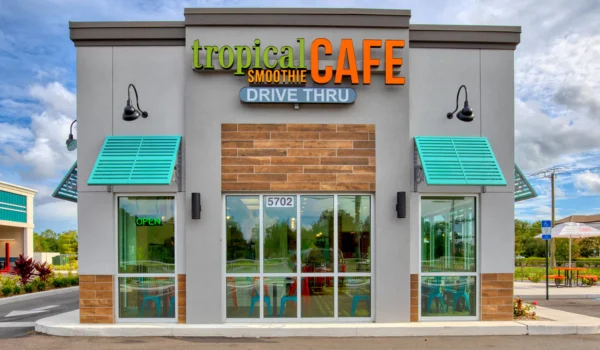
If you’ve ever fixed a loose doorknob, re-grouted a tile, painted a room, or installed a ceiling fan — then you know firsthand how essential handyman services are. Every year, millions of homeowners and small businesses seek reliable help for odd jobs, repairs, renovations, and maintenance tasks. As the demand for quality home service providers continues to rise, one business model stands out for aspiring entrepreneurs: the handyman franchise.
In this comprehensive article, I’ll walk you through what a handyman franchise is, why this industry is booming, the costs involved, the ongoing fees, and — most importantly — the step-by-step application process all presented in a friendly, informative, and engaging way that feels personal and practical.
What Is a Handyman Franchise?
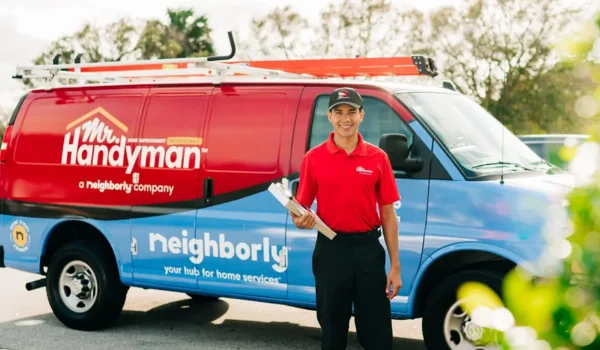
A handyman franchise is a business model where you, as a franchisee, operate a local service company under a recognized brand that specializes in:
- Home repairs
- Carpentry
- Painting
- Electrical and plumbing assistance
- Installation services
- Maintenance tasks
Instead of starting from scratch, you benefit from a proven system, brand reputation, training, and ongoing support. Popular national brands include Mr. Handyman, Handyman Connection, Ace Handyman Services, House Doctors, and others.
Why Handyman Franchises Are a Smart Business Opportunity
Let me share the heart of the opportunity:
Handyman services are recession-resilient. Why? Because:
- Homeowners constantly need repairs — appliances break, roofs leak, walls crack, and fixtures wear out.
- Aging populations prefer professionals for safety reasons.
- Busy families or professionals outsource home improvement tasks to save time.
- Small businesses need fast, reliable maintenance without full-time staff.
According to industry estimates, the U.S. home services market (which includes handyman services) is worth hundreds of billions annually, and it’s growing as more people prefer convenience and professionalism over DIY risk.
From my conversations with franchise owners, the real appeal of the business isn’t just profit — it’s client gratitude. You’re not selling widgets; you’re solving problems that make people’s lives easier.
Typical Handyman Franchise Costs
Most aspiring franchisees want a clear answer to:
“How much money do I need to start?”
The honest answer is: it depends. Cost varies by brand, location, business format (mobile vs storefront), and territory size. Below are realistic ranges based on multiple major handyman franchise disclosures.
Initial Investment: $80,000 to $170,000+
| Cost Component | Typical Range |
| Franchise Fee | $30,000 – $60,000 |
| Training & Startup Fees | $5,000 – $15,000 |
| Vehicle/Tools/Equipment | $20,000 – $60,000+ |
| Marketing & Initial Advertising | $5,000 – $15,000 |
| Insurance, Permits & Legal Fees | $2,000 – $8,000 |
| Working Capital | $15,000 – $30,000+ |
Key Point: The largest cost categories are usually the franchise fee and vehicle/equipment setup. Unlike a restaurant, you don’t need expensive real estate or construction — a mobile operation can launch from a van, street signage, and your local reputation.
Ongoing Fees and Royalty Structure
Franchise systems typically charge ongoing fees that contribute to brand support, marketing, and systems development. Here are the main ones you’ll encounter:
✅ Royalty Fees
Most handyman franchises require a royalty fee of 5% to 8% of gross revenue — a fee you pay monthly for brand use and ongoing support.
✅ Marketing/Advertising Fees
Expect around 2% to 4% of gross revenue to support national or regional advertising campaigns.
💡 Software & Technology Fees
Some franchisors require a small monthly fee ($50–$200) for scheduling, CRM, invoicing, and other technology platforms.
These fees fund essential services like lead generation, training, standardized processes, and technology — tools you would otherwise need to build yourself.
Revenue Potential and Profitability
Now let’s talk about the part many people really care about: Can this business make money?
📊 Average Revenue for a Handyman Franchise
As a mobile service business, here’s what some owners report:
- Year 1 Revenue: $150,000 – $350,000+
- Year 2 Revenue: $300,000 – $500,000+
- Established Multi-Tech Teams: $500,000 – $1 million+
Profit margins vary but often fall between 10% to 20% after operating expenses — and sometimes higher with strong cost controls, efficient scheduling, and excellent customer service.
Who Is a Good Fit for a Handyman Franchise?
You don’t have to be a master carpenter or licensed plumber to succeed — but these traits help:
🔹 Customer-Oriented Personality
You’re patient, professional, and enjoy helping people solve problems.
🔹 Business Management Skills
Even with support, you’ll manage finances, staff, and customer expectations.
🔹 Technical Comfort
You don’t need to be an expert — most franchisors provide technical training — but familiarity with home repairs is a plus.
🔹 Strong Work Ethic
The first 12–18 months set the foundation for reputation and referrals.
Real Owner Insight: Why This Franchise Works
I want to share a story from Jason, a former corporate supervisor who bought a handyman franchise three years ago.
He told me:
“I didn’t come from a construction background. What I did bring was organizational discipline and a desire to build strong team relationships. What surprised me most was how quickly clients refer neighbors — once you deliver quality, the business grows on its own.”
The takeaway?
Repeat customers and referrals are the backbone of this business. Every completed job is a potential future revenue source.
Step-by-Step Handyman Franchise Application Process (USA)
Now for the heart of your entrepreneurial roadmap — the application process. This is how you move from curiosity to ownership.
Step 1: Initial Research & Brand Exploration
Start by listing reputable handyman franchises and visiting their official websites. Look for:
- Franchise disclosure documents (FDD)
- Initial cost summaries
- Territory availability
- Support services
Collect basic information to compare systems, fees, and brand values.
Step 2: Request Franchise Info / Pre-Qualification
Submit a Request for Information (RFI) on brands you’re serious about. You’ll provide basic details:
- Name and contact info
- Financial background
- Business experience
This typically triggers a call with a franchise development representative who can clarify questions and send the FDD.
Step 3: Review the Franchise Disclosure Document (FDD)
The FDD is the most important document you’ll encounter. It includes:
- Fees & royalty structure
- Franchisee obligations
- Training requirements
- Advertising remittances
- Term and renewal conditions
- Financial performance representations (if available)
Important: Always review the FDD with a franchise attorney and accountant to understand legal and financial commitments.
Step 4: Personal Interview & Financial Verification
After reviewing the FDD, the franchise team typically conducts:
- Phone interviews
- In-person (or video) meetings
- Financial verification (proof of assets & credit)
This is when you begin to transition from “prospect” to “qualified candidate.”
Step 5: Franchise Approval & Territory Assignment
Once approved, the franchisor helps you select a territory. For handyman franchises, this may cover:
- A city
- A metro area
- A county or region
Territory selection matters because it determines your future customer base and growth potential.
Step 6: Franchise Agreement Signing
This is the legal moment of commitment. You’ll:
- Sign the franchise agreement
- Pay the initial franchise fee
- Confirm your launch timeline
It’s a milestone worth celebrating — but it’s also just the beginning.
Step 7: Training & Business Set-Up
Most handyman franchises include:
- Technical training for you and your technicians
- Business operations training
- Marketing training
- Software setup
- Vehicle branding guidance
This prepares you to run the business with confidence.
Step 8: Grand Opening & Local Advertising
You’ll launch with branding kits, marketing campaigns, local promotions, and community outreach. This is when you begin generating real revenue.
Common Questions About Handyman Franchises
Q: Do I need prior handyman experience?
No — most franchisors provide comprehensive training. Business and people skills matter most.
Q: Can I operate from home?
Many handyman franchises start as home-based operations with mobile service vehicles.
Q: Are franchises of this type profitable?
Yes — but success depends on service quality, customer satisfaction, and disciplined operations.
Conclusion: Is a Handyman Franchise Right for You?
If you’re evaluating franchise opportunities and want:
✔ A business with growing demand
✔ A model that can scale over time
✔ Recurring revenue from repeat customers
✔ A service that positively impacts everyday life
…then a handyman franchise could be a great fit.
Final Thought
Owning a handyman franchise isn’t just about tools and trucks — it’s about reputation, reliability, and relationships. When you deliver solutions with quality and trust, customers become fans — and that’s where sustainable business growth comes from.
About the Author