Imagine this:
- Your car breaks down unexpectedly
- A family member needs urgent medical care
- You lose your job for a few months
In the US, even a small emergency can cost $500 to $5,000+. And if you’re not prepared, you may end up using credit cards, loans, or even falling into debt.
This is why every US family needs an emergency fund.
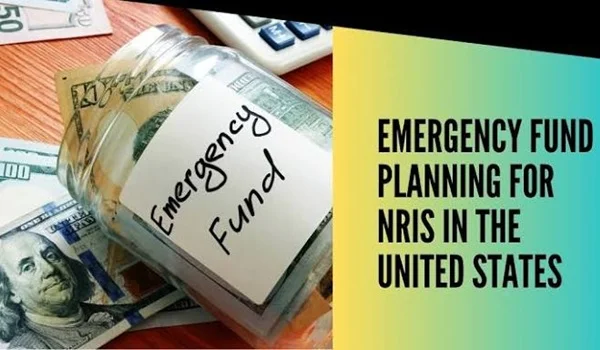
An emergency fund is not a luxury—it’s your financial safety net.
In this guide, you’ll learn:
- What an emergency fund is
- How much you need
- How to build it step-by-step
- Real-life US examples
- Mistakes to avoid
Let’s make your finances safer and stress-free.
What is an Emergency Fund?
An emergency fund is money set aside for unexpected situations only, such as:
✔ Medical emergencies
✔ Job loss
✔ Car repairs
✔ Urgent home repairs
👉 It is NOT for:
- Shopping
- Vacations
- Eating out
Why Emergency Funds Are Important in the US
Living in the US comes with high costs:
- Healthcare is expensive
- Rent and utilities are high
- Job security is not guaranteed
Without savings:
👉 You rely on credit cards (high interest)
👉 You go into debt quickly
With an emergency fund:
👉 You stay financially stable
How Much Emergency Fund Do You Need?
Basic Rule:
👉 Save 3 to 6 months of living expenses
Example 1: Family in Texas
Monthly expenses:
- Rent: $1,200
- Groceries: $500
- Utilities: $200
- Transport: $300
- Insurance: $300
👉 Total = $2,500/month
Emergency fund:
- 3 months = $7,500
- 6 months = $15,000
Example 2: Family in California
Monthly expenses:
- Rent: $2,500
- Groceries: $700
- Utilities: $300
- Transport: $400
- Insurance: $400
👉 Total = $4,300/month
Emergency fund:
- 3 months = $12,900
- 6 months = $25,800
👉 Your target depends on your lifestyle and location.
Step-by-Step Guide to Build an Emergency Fund
Step 1: Calculate Your Monthly Expenses
Write down:
- Rent
- Food
- Bills
- Insurance
- Transportation
👉 This is your base number
Step 2: Set a Realistic Goal
Don’t aim for $10,000 immediately.
Start small:
- First goal: $500
- Second goal: $1,000
- Final goal: 3–6 months expenses
Step 3: Start Saving Monthly
Simple Plan:
- Save $100–$300/month
Example:
- $200/month → $2,400/year
👉 Consistency matters more than amount
Step 4: Automate Your Savings
Make it automatic.
✔ Set auto-transfer from checking to savings
✔ Treat savings like a bill
👉 This removes temptation to spend
Step 5: Keep Money in the Right Place
Your emergency fund should be:
✔ Easy to access
✔ Safe (no risk)
Best Options:
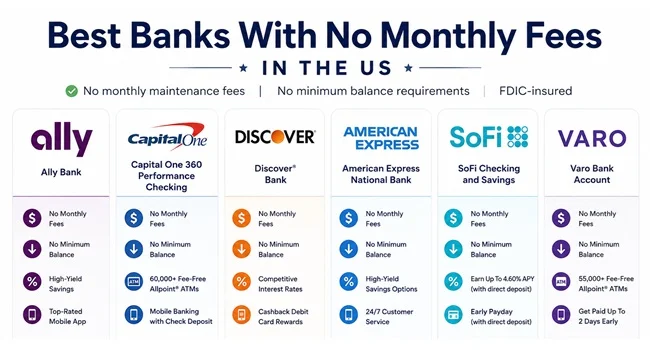
- High-yield savings account
- Credit union account
👉 Avoid stocks or risky investments
Comparison: Emergency Fund vs No Emergency Fund
| Situation | No Emergency Fund | With Emergency Fund |
| Car repair | Credit card debt | Paid with savings |
| Job loss | Financial stress | Time to recover |
| Medical bill | Loan or borrowing | No debt |
| Peace of mind | Low | High |
Real-Life Examples
Example 1: John (Florida)
- Income: $3,500/month
- No savings
👉 Car repair cost: $1,200
👉 Used credit card → debt increased
Example 2: Sarah (Arizona)
- Emergency fund: $5,000
👉 Same car repair: $1,200
👉 Paid from savings → no stress
👉 Same situation, different outcomes
Smart Strategies to Build Faster
✔ Cut unnecessary subscriptions
✔ Reduce eating out
✔ Use tax refunds wisely
✔ Save bonuses or extra income
✔ Start a side hustle
👉 Even extra $100/month speeds up your goal
Best Strategy for Families
If you have kids or dependents:
👉 Aim for 6 months expenses
Why?
- Higher responsibility
- More unexpected costs
Common Mistakes to Avoid
❌ Not saving at all
❌ Using emergency fund for non-emergencies
❌ Keeping money in risky investments
❌ Trying to save too fast and quitting
❌ Not rebuilding fund after using it
👉 Avoid these mistakes to stay secure
Tips to Stay Consistent
✔ Keep emergency fund in separate account
✔ Don’t check it daily
✔ Celebrate small milestones ($500, $1,000)
✔ Track progress monthly
When Should You Use Emergency Fund?
Use only for:
✔ Job loss
✔ Medical emergency
✔ Essential repairs
Do NOT use for:
❌ Shopping
❌ Vacations
❌ Gifts
FAQs
- How much should a family save in an emergency fund?
At least 3–6 months of living expenses.
- Where should I keep my emergency fund?
In a high-yield savings account for safety and easy access.
- What if I can only save $50/month?
That’s perfectly fine. Start small and stay consistent.
- Should I invest my emergency fund?
No. Keep it safe and liquid.
- What should I do after using my emergency fund?
Start rebuilding it immediately.
Final Action Plan (What You Should Do Next)
If you want financial security, follow this simple plan:
Step-by-Step:
- Calculate your monthly expenses
- Set your emergency fund goal
- Start saving $100–$300/month
- Automate your savings
- Keep money in a safe account
- Use only for real emergencies
- Rebuild after using
Final Thought
An emergency fund is not about money—it’s about peace of mind.
It protects your family from:
- Stress
- Debt
- Financial setbacks
👉 You don’t need to save everything today
👉 You just need to start today
Even $100 saved is better than nothing.
Because when life surprises you—and it will—
your emergency fund will protect you.
About the Author