Every successful business—whether a startup, SaaS company, B2B service provider, or retail brand—depends on one critical engine: the sales cycle. The sales cycle business model explains how a company attracts prospects, nurtures them, closes deals, and turns one-time buyers into long-term customers.
In the United States, companies that master their sales cycle often grow faster, spend less on customer acquisition, and build predictable revenue. This article breaks down the sales cycle business model in a simple, engaging, and practical way.
What Is a Sales Cycle Business Model?
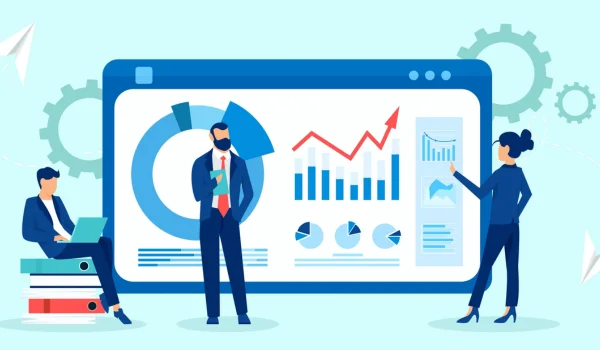
The sales cycle business model is a structured process that defines how a business moves a potential customer from first contact to final purchase—and beyond.
Unlike a random or ad-hoc sales approach, this model:
- Standardizes sales activities
- Improves conversion rates
- Aligns marketing and sales teams
- Creates scalable and repeatable revenue
In short, it answers one key question:
How does your business consistently convert interest into income?
Why the Sales Cycle Business Model Matters
A strong sales cycle business model helps companies:
- Reduce customer acquisition cost (CAC)
- Shorten time-to-close
- Forecast revenue accurately
- Train sales teams effectively
- Scale without chaos
In competitive U.S. markets, even a great product fails without a clear sales cycle.
Core Stages of the Sales Cycle Business Model
While the exact structure varies by industry, most sales cycle models include 6 to 8 core stages.
- Lead Generation
This is where the sales cycle begins.
Common lead sources include:
- Digital marketing (SEO, PPC, social media)
- Content marketing
- Email campaigns
- Cold outreach
- Referrals
- Events and trade shows
In modern business models, marketing teams usually own this stage, delivering qualified leads to sales.
- Lead Qualification
Not every lead is worth pursuing. Qualification ensures sales teams focus on the right prospects.
Typical qualification criteria:
- Budget
- Authority
- Need
- Timeline
Frameworks like BANT or MEDDIC are commonly used in U.S. B2B sales environments.
Proper qualification saves time and increases close rates.
- Discovery and Needs Analysis
At this stage, sales reps:
- Ask questions
- Understand pain points
- Identify goals
- Clarify decision-making processes
This phase is crucial because modern sales is consultative, not pushy. Businesses that listen well sell better.
- Solution Presentation
Here, the sales team presents a tailored solution.
This may include:
- Product demos
- Customized proposals
- Case studies
- ROI calculations
In SaaS and enterprise sales, demos and proof-of-value are often decisive.
- Objection Handling
Most prospects raise concerns before buying.
Common objections include:
- Price
- Timing
- Competitor comparison
- Internal approval delays
A strong sales cycle business model includes:
- Objection scripts
- Case studies
- Flexible pricing options
This stage is about building trust, not pressure.
- Negotiation and Closing
This is where the deal is finalized.
Activities include:
- Contract discussions
- Pricing adjustments
- Legal review
- Final approvals
Efficient companies reduce friction here by:
- Standardizing contracts
- Using e-signatures
- Offering clear pricing tiers
- Onboarding and Delivery
The sales cycle does not end at closing.
Post-sale onboarding includes:
- Product setup
- Training
- Account handoff to customer success
- Expectation alignment
A smooth onboarding experience reduces churn and increases satisfaction.
- Retention and Expansion
The final stage focuses on:
- Renewals
- Upsells
- Cross-sells
- Referrals
In subscription and B2B models, retention is more profitable than acquisition.
Sales Cycle Business Model by Industry
Different industries use different sales cycle structures.
B2B SaaS
- Long sales cycles (30–180 days)
- Multiple decision-makers
- Demo-driven selling
- Subscription revenue
Enterprise Sales
- Very long cycles (6–18 months)
- Heavy relationship-building
- Custom contracts
SMB & Local Services
- Short sales cycles
- Phone calls and in-person meetings
- Fast decision-making
E-commerce
- Extremely short sales cycles
- Automated funnels
- Conversion-focused UX
Revenue Models Tied to the Sales Cycle
The sales cycle directly supports different revenue structures:
- One-time purchases
- Subscriptions
- Usage-based pricing
- Retainers
- Performance-based fees
A well-designed sales cycle ensures the revenue model is sustainable and scalable.
Sales Cycle Length and Business Strategy
Short Sales Cycles
Best for:
- Low-cost products
- Impulse purchases
- High-volume sales
Requires:
- Automation
- Strong marketing
- Minimal human involvement
Long Sales Cycles
Best for:
- High-ticket products
- Complex solutions
- Enterprise clients
Requires:
- Relationship-building
- Education-driven selling
- Strong account management
Technology’s Role in the Sales Cycle Business Model
Modern U.S. companies rely heavily on technology.
Key tools include:
- CRM systems
- Sales automation software
- Email sequencing tools
- Analytics and forecasting platforms
- AI-powered lead scoring
Technology improves visibility and consistency across the sales cycle.
Common Mistakes in Sales Cycle Design
Many businesses fail because of poor sales cycle execution.
Common mistakes include:
- Unclear qualification criteria
- Misalignment between marketing and sales
- Overcomplicated processes
- Ignoring post-sale stages
- Focusing only on closing, not retention
How Successful Companies Optimize Their Sales Cycle
Top-performing businesses:
- Regularly analyze conversion rates
- Train sales teams continuously
- Personalize outreach
- Use data to refine messaging
- Shorten unnecessary steps
- Focus on customer outcomes, not features
Future Trends in Sales Cycle Business Models
Sales cycles are evolving rapidly.
Key trends include:
- AI-assisted selling
- Predictive lead scoring
- Self-service buying options
- Hybrid human + automation models
- Greater focus on customer success
Companies that adapt their sales cycle models will outperform competitors.
Final Thoughts
The sales cycle business model is the backbone of sustainable business growth. It transforms raw leads into loyal customers through a structured, repeatable process.
Whether you run a SaaS startup, a consulting firm, an agency, or a product-based business, mastering your sales cycle will directly impact revenue, scalability, and long-term success.
Remember: great sales is not about pressure—it’s about process, trust, and value creation.
About the Author