If you’re just starting your financial journey in the US, it can feel overwhelming.
You might be asking:
- How do I budget my money?
- How much should I save?
- What about credit cards, debt, or investing?
Imagine you live in a city like Dallas or Chicago and earn $3,000–$4,000 per month. You pay rent, groceries, bills—and at the end of the month, you’re left wondering:
👉 “Where did all my money go?”
This is the reality for millions of beginners in America.
The good news?
👉 You don’t need a finance degree to manage money well.
👉 You just need a simple plan and consistent habits.
In this guide, I’ll show you a step-by-step financial plan for beginners, using real US examples, simple language, and practical strategies.
Step 1: Understand Your Income and Expenses
Before doing anything, know your numbers.
Example:
John in Houston earns $3,500/month.
His expenses:
- Rent: $1,200
- Groceries: $400
- Transport: $300
- Utilities: $250
- Entertainment: $200
👉 Total expenses: $2,350
👉 Remaining: $1,150
What to do:
- Write down your income
- Track all expenses
👉 This is your financial starting point.
Step 2: Create a Simple Budget (Your Money Blueprint)
Budgeting helps you control your money.
Use the 50/30/20 Rule:
- 50% → Needs (rent, food, bills)
- 30% → Wants (shopping, dining)
- 20% → Savings
Example:
Income = $4,000
- Needs: $2,000
- Wants: $1,200
- Savings: $800
👉 If 20% is too high, start with 5–10%.
Step 3: Open the Right Bank Accounts
You need at least two accounts:
✔ Checking Account
- For daily spending
✔ Savings Account
- For emergency fund
Tip:
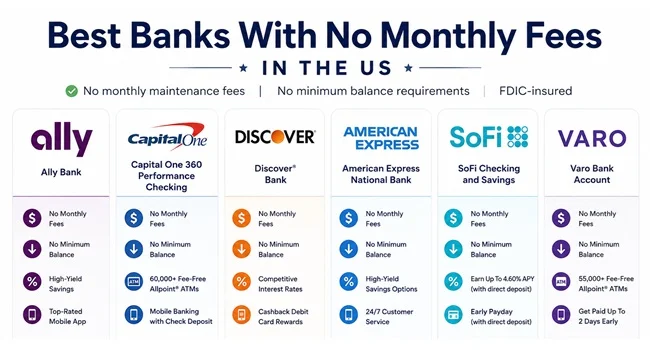
Choose banks with:
- No monthly fees
- Good mobile apps
Step 4: Build an Emergency Fund (Your Safety Net)
This is your most important financial step.
Goal:
- Start: $500
- Next: $1,000
- Final: 3–6 months of expenses
Example:
If monthly expenses = $2,500
👉 Emergency fund = $7,500–$15,000
Why:
- Job loss
- Medical emergencies
- Car repairs
👉 Without this, you may fall into debt.
Step 5: Manage Debt Smartly
Not all debt is bad—but unmanaged debt is dangerous.
Common debts:
- Credit cards
- Student loans
- Personal loans
Strategy:
👉 Use the debt avalanche method:
- Pay minimum on all debts
- Focus on highest interest first
Step 6: Start Building Your Credit Score
In the US, your credit score is very important.
It affects:
- Loan approvals
- Interest rates
- Renting apartments
How to build credit:
- Use a credit card responsibly
- Pay bills on time
- Keep usage below 30%
Step 7: Get Basic Insurance
Insurance protects your finances.
Must-have:
- Health insurance
- Auto insurance (if you drive)
- Renters insurance
👉 These prevent large unexpected costs.
Step 8: Start Saving for Goals
Saving is not just for emergencies.
Examples:
- Buying a car
- Vacation
- Down payment for a house
Tip:
Create separate savings goals.
Step 9: Begin Investing (Even Small Amounts)
Once you have:
- Emergency fund
- Stable income
👉 Start investing.
Options:
- 401(k) (if employer offers)
- IRA accounts
Example:
Invest $100/month
👉 Over time, this grows significantly
Step 10: Track Your Spending Regularly
Tracking keeps you disciplined.
Tools you can use:
- Mint
- YNAB (You Need A Budget)
Tip:
- Check weekly
- Adjust budget monthly
Comparison Table: With Plan vs Without Plan
| Situation | With Financial Plan | Without Plan |
| Savings | Regular growth | No savings |
| Debt | Controlled | Increasing |
| Stress | Lower | High |
| Emergencies | Managed | Crisis |
| Future | Secure | Uncertain |
👉 A plan makes everything easier.
Smart Financial Tips for Beginners
✔ Start Small
Even $20–$50 savings matters
✔ Automate Savings
Set automatic transfers
✔ Avoid Lifestyle Inflation
Don’t increase spending with income
✔ Use Cash for Control
Helps reduce overspending
✔ Learn Continuously
Financial knowledge = better decisions
Common Mistakes to Avoid
❌ Not Budgeting
Leads to overspending
❌ Ignoring Emergency Fund
Forces debt in crisis
❌ Using Credit Cards Poorly
High interest traps
❌ Not Tracking Expenses
Money disappears
❌ Delaying Investing
Loses long-term growth
Real-Life Example
Emily from New York earns $3,200/month.
Before:
- No budget
- No savings
- Credit card debt: $2,000
After following plan:
- Saved $1,000 emergency fund
- Paid off $1,200 debt
- Started investing $50/month
👉 Result: Financial control in 6 months
FAQs
- How much should I save each month?
Start with 5–10% of income, then increase gradually.
- Should I pay debt or save first?
Do both:
- Build small emergency fund
- Then focus on debt
- Do I need a financial advisor?
No. You can start on your own with simple steps.
- When should I start investing?
After building emergency savings and controlling debt.
- What is the biggest mistake beginners make?
Not having a plan and spending without tracking.
Final Action Plan (What You Should Do Next)
If you’re starting today, follow this simple plan:
Step 1:
Track your income and expenses for 7 days
Step 2:
Create a simple budget
Step 3:
Save your first $500 emergency fund
Step 4:
Pay off high-interest debt
Step 5:
Start saving and investing small amounts
Step 6:
Review your finances monthly
Final Thoughts
Managing money in America doesn’t have to be complicated.
You don’t need:
- High income
- Advanced knowledge
You just need:
👉 A simple plan
👉 Consistency
👉 Discipline
Start small. Stay consistent. And remember:
👉 Financial success is not about how much you earn—it’s about how well you manage what you have.
About the Author